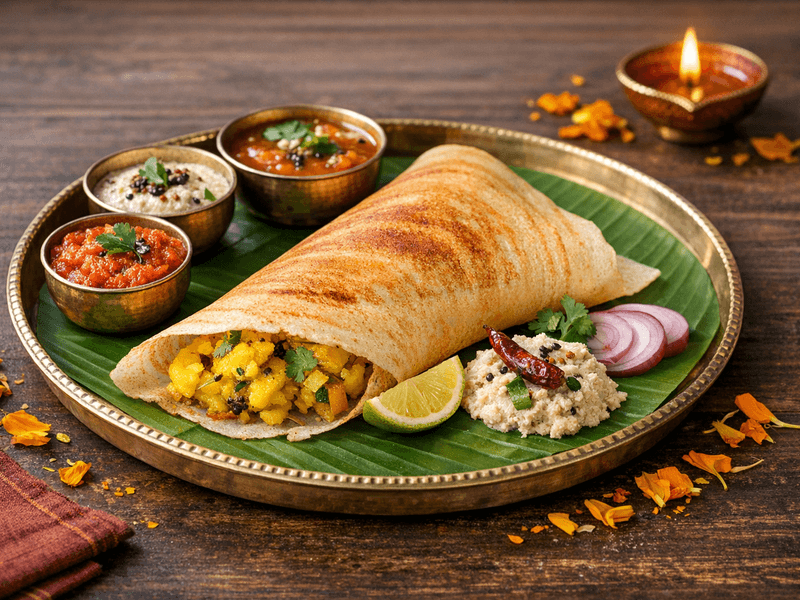
📸 Image coming soon for Curd Rice with Peanut Chutney
Curd Rice with Peanut Chutney
Lunch • India
How to Make Curd Rice with Peanut Chutney (Traditional & Healthy Version)
Curd Rice with Peanut Chutney is a beloved South Indian lunch staple, especially cherished in Tamil Nadu and Andhra Pradesh. Known as 'Thayir Sadam' in Tamil and 'Daddojanam' in Telugu, this dish combines creamy dahi (curd) mixed with steamed rice, seasoned with aromatic tadka and served alongside protein-rich peanut chutney. Its cooling properties make it perfect for hot Indian summers and it is a must-have during festivals like Pongal and Ugadi. The tangy curd, tempered spices, and nutty chutney create a harmonious blend of flavors and textures that are both soothing and satisfying. Curd rice is not just a comfort food but also an integral part of temple offerings and festive feasts. The addition of peanut chutney elevates the protein content, making it a wholesome meal. This recipe is tailored for health-conscious individuals, focusing on balanced nutrition without sacrificing authentic taste. The dish is easy to digest and ideal for those seeking a vegetarian, gluten-free option for lunch. Its simplicity, cultural roots, and nourishing qualities make it a great choice for anyone looking to enjoy the essence of South Indian cuisine.
Ingredients(for 1 medium bowl (approx. 250g) with chutney)
- 2 cups Cooked Rice (Use sona masoori or parboiled rice)
- 1 cup Curd (Dahi) (Fresh, low-fat)
- 1/2 cup Roasted Peanuts (Mungfali)
- 2 Green Chillies (Hari mirch, finely chopped)
- 1 tsp Ginger (Adrak, finely grated)
- 1/2 tsp Mustard Seeds (Rai)
- 10 Curry Leaves (Kadi patta)
- 1 tsp Salt
- 2 tbsp Coriander Leaves (Hara dhania, finely chopped)
- 1 tbsp Oil (Preferably groundnut or sesame oil)
- 1/4 tsp Asafoetida (Hing)
- 2 tbsp Grated Carrot (Optional for extra nutrition) - optional
Instructions
- 1
Cook rice until soft and let it cool completely. Fluff with a fork to avoid lumps.
10 minutes
Use slightly overcooked rice for a creamy texture.
- 2
In a large bowl, whisk curd until smooth. Add cooled rice, salt, and mix gently to combine.
5 minutes
Chilled curd enhances the cooling effect.
- 3
Prepare tadka: Heat oil in a small kadai. Add mustard seeds, let them splutter. Add curry leaves, green chillies, ginger, and asafoetida. Sauté briefly.
3 minutes
Add tadka just before serving for fresh aroma.
- 4
Pour the tadka over curd rice. Mix in chopped coriander leaves and grated carrot (optional).
2 minutes
Stir gently to retain texture.
Why This Dish is Healthy
This recipe uses low-fat curd and minimal oil, making it a light yet filling vegetarian lunch. The inclusion of peanuts boosts protein without excess calories. The natural cooling effect of curd supports hydration and digestion, especially in Indian summers. The recipe is easily adaptable for dietary needs, focusing on wholesome, unprocessed ingredients.
Curd rice is rich in probiotics, calcium, and protein from dahi, promoting gut health and digestion. Peanuts add healthy fats, plant protein, and minerals like magnesium. The dish is naturally gluten-free, low in cholesterol, and high in essential vitamins from added vegetables and herbs. The combination ensures balanced macros, making it suitable for a healthy Indian lunch.
Pro Tips
- 💡Tip 1: Use fresh, homemade curd for best flavor and probiotic benefits.
- 💡Tip 2: Temper spices just before serving to maximize aroma.
- 💡Tip 3: For extra cooling, add grated cucumber to curd rice.
Storage & Serving
Curd rice should be consumed fresh but can be refrigerated for up to 24 hours. Peanut chutney keeps well in an airtight container in the fridge for up to 3 days. Always serve chilled or at room temperature. Avoid reheating curd rice.
Best served: Breakfast or Lunch
Nutrition Facts
| Nutrient | Per 100g |
|---|---|
| Energy | 300.0 kcal |
| Protein | 4.0 g |
| Carbohydrates | 22.0 g |
| Total Fat | 6.0 g |
| Fiber | 2.0 g |