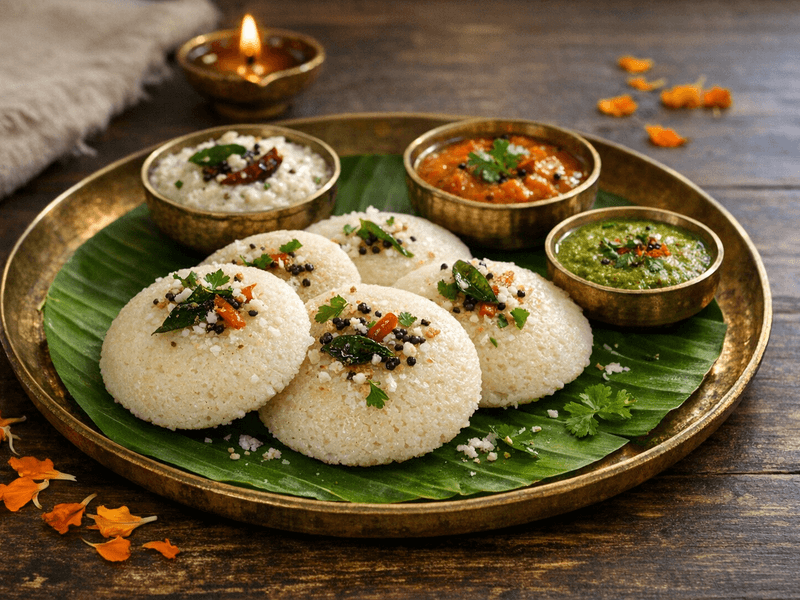
📸 Image coming soon for Coconut Rice (vrat)
Coconut Rice (vrat)
Lunch • India
How to Make Coconut Rice (Vrat) – Traditional & Healthy Version
Coconut Rice, known as 'Thengai Sadam' in Tamil Nadu and enjoyed across South India, is a light, fragrant, and subtly flavored rice dish made especially during Hindu fasting days (vrat) such as Navratri, Ekadashi, and Shivratri. This vrat-friendly version is crafted without onion, garlic, or regular salt, making it ideal for religious observance while being nutritious and easy to digest. The delicate aroma of freshly grated nariyal (coconut), tempered with crunchy peanuts, roasted jeera (cumin), and aromatic curry leaves, gives this rice its signature taste and texture. Coconut Rice is more than just a meal—it's a festive offering, often made as naivedyam (offering) for pujas and temple prasadam. Its simplicity and quick preparation make it a favorite during busy festival mornings and as a light lunch on fasting days. The mild sweetness of coconut, combined with the nuttiness of roasted peanuts and the subtle heat from green chilies, creates an irresistible harmony that pairs well with curd or vrat-approved aloo sabzi. Packed with energy and easy on the stomach, this dish is an excellent choice for anyone seeking an authentic, healthy, and satisfying Indian lunch.
Ingredients(for 1 medium bowl (about 200g cooked rice per serving))
- 1 cup Sama ke chawal (barnyard millet) (Can substitute with regular rice if not fasting)
- 3/4 cup Fresh grated coconut (nariyal) (Use freshly grated for best flavor)
- 2 tbsp Peanuts (moongphali) (Roasted and coarsely crushed)
- 1.5 tbsp Ghee or cold-pressed coconut oil (Use coconut oil for vegan version)
- 1 tsp Cumin seeds (jeera)
- 10-12 Curry leaves (kadi patta) (Fresh)
- 1-2 Green chilies (hari mirch) (Slit lengthwise)
- To taste Sendha namak (rock salt) (Vrat-friendly salt)
- 1/4 tsp Black pepper powder (kali mirch) (Optional, for mild heat) - optional
- 6-8 Cashews (kaju) (Broken pieces, optional garnish) - optional
Instructions
- 1
Rinse sama ke chawal (barnyard millet) thoroughly under running water. Soak for 15 minutes, then drain.
15 minutes
Soaking helps millet cook evenly and quickly.
- 2
Cook the soaked millet with 2 cups water and a pinch of sendha namak in a heavy-bottomed pan or pressure cooker until soft but not mushy. Fluff with a fork and let cool slightly.
10 minutes
Do not overcook; grains should remain separate.
- 3
Heat ghee or coconut oil in a kadhai (wok) on medium flame. Add cumin seeds and let them splutter. Add curry leaves, green chilies, and sauté for 30 seconds until aromatic.
2 minutes
Keep heat medium to prevent spices from burning.
- 4
Add roasted peanuts and optional cashews. Sauté for 1-2 minutes until golden and crunchy.
2 minutes
Roast peanuts beforehand for extra crunch and flavor.
Why This Dish is Healthy
This version of Coconut Rice is a healthy choice due to its use of barnyard millet—a low-GI, gluten-free grain that supports digestion and satiety. Coconut and peanuts provide healthy fats and protein, aiding in balanced energy levels without causing blood sugar spikes. The absence of onion, garlic, and refined salt makes it gentle and detox-friendly, ideal for those looking to eat clean during fasting or weight management.
Coconut Rice (vrat) is a nutrient-dense, gluten-free option high in dietary fiber, healthy fats, and essential minerals like magnesium, potassium, and manganese from barnyard millet and coconut. Peanuts add plant-based protein, while coconut offers lauric acid, known for its antimicrobial properties. This dish is light on the digestive system and suitable for fasting, providing steady energy, B-vitamins, and antioxidants. The use of minimal oil and no refined ingredients makes it a wholesome lunch option.
Pro Tips
- 💡Tip 1: Always use fresh coconut for the best aroma and taste.
- 💡Tip 2: Do not overcook the millet; keep grains separate for fluffier rice.
- 💡Tip 3: Prepare the tempering on low-medium heat to preserve the natural flavors of curry leaves and spices.
Storage & Serving
Store leftover Coconut Rice in an airtight container in the refrigerator for up to 24 hours. To reheat, sprinkle a little water and steam or microwave until hot. Best consumed fresh for optimal taste and texture.
Best served: Breakfast or Lunch
Nutrition Facts
| Nutrient | Per 100g |
|---|---|
| Energy | 250.0 kcal |
| Protein | 3.0 g |
| Carbohydrates | 28.0 g |
| Total Fat | 6.0 g |
| Fiber | 2.0 g |