Coconut Chutney
Lunch • India
How to Make Coconut Chutney (Traditional & Healthy Version)
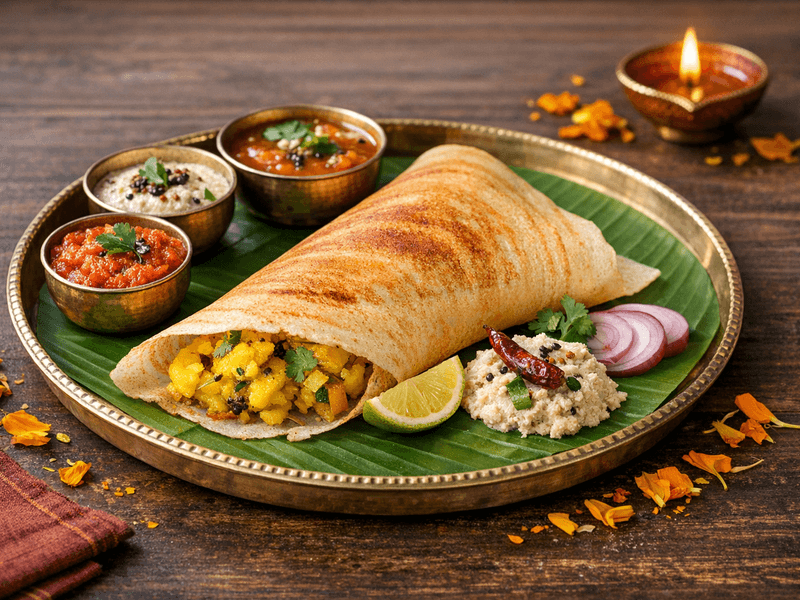
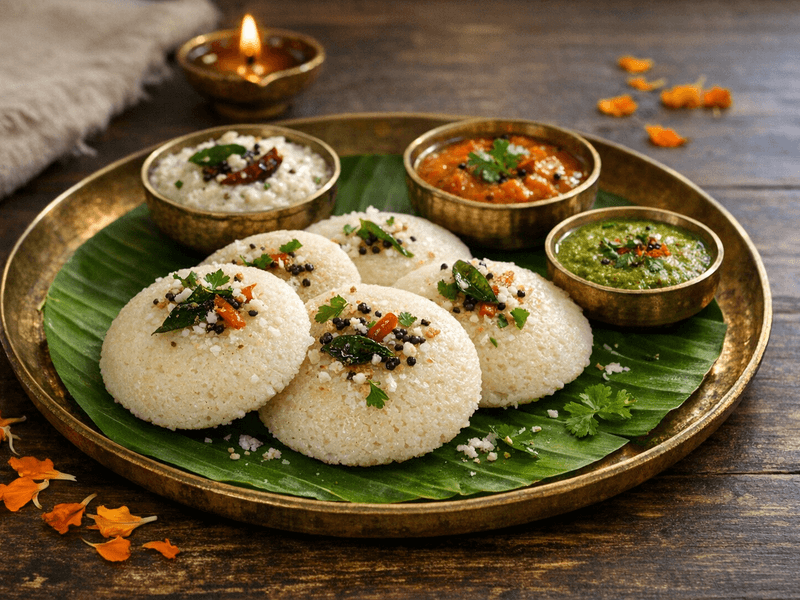
Coconut Chutney, or 'Nariyal Chutney', is a quintessential South Indian accompaniment, celebrated for its creamy texture and delicate flavors. This vegetarian side dish is a staple in homes across Tamil Nadu, Kerala, Karnataka, and Andhra Pradesh, often served with steaming hot idlis, dosas, vadas, or upma during breakfast and lunch. Its origins can be traced back to the coastal regions of South India, where fresh coconut is abundantly available, making it a vital ingredient in daily cooking. The combination of coconut, roasted chana dal, and green chillies, all ground together, creates a refreshing and subtle taste that balances spicy dishes perfectly. What makes Coconut Chutney truly special is its versatility and ability to enhance any South Indian meal. It is light, naturally sweet from coconut, and has a gentle kick from green chillies and ginger. The tempering, or 'tadka', of mustard seeds, urad dal, curry leaves, and hing (asafoetida) adds a burst of aroma and crunch, making the chutney irresistibly flavorful. Traditionally enjoyed during festivals like Pongal and Onam, Coconut Chutney is also a health-conscious choice for those seeking wholesome, plant-based Indian recipes packed with nutrients and taste.
Ingredients(for 1/2 cup per serving)
- 1 cup Fresh grated coconut (nariyal) (Use freshly grated coconut for best taste)
- 2 tbsp Roasted chana dal (dalia) (Adds texture and protein)
- 1-2 Green chillies (Adjust as per spice preference)
- 1/2 inch piece Ginger (adrak) (Peeled)
- to taste Salt
- 1 tbsp Curd (dahi) (Optional, for creaminess) - optional
- 1/4 - 1/2 cup Water (Adjust for desired consistency)
- 1/2 tsp Mustard seeds (rai) (For tadka (tempering))
- 1 tsp Urad dal (split black gram) (For tadka)
- 8-10 Curry leaves (kadi patta) (Fresh)
- a pinch Asafoetida (hing) (For aroma) - optional
- 1 tsp Oil (Preferably coconut or groundnut oil)
Instructions
- 1
In a mixer grinder, combine fresh grated coconut, roasted chana dal, green chillies, ginger, and salt. Add curd if using for extra creaminess.
3 minutes
Use freshly grated coconut for best flavor and texture.
- 2
Add 1/4 cup water and grind to a smooth paste. Adjust water to reach your desired chutney consistency.
2 minutes
Add water gradually to avoid a watery chutney.
- 3
Transfer chutney to a serving bowl. Taste and adjust salt if needed.
1 minute
A little extra salt enhances the coconut’s sweetness.
- 4
For tempering (tadka), heat oil in a small pan. Add mustard seeds and let them splutter.
1 minute
Let mustard seeds crackle fully to release their aroma.
Why This Dish is Healthy
Coconut Chutney is a healthy choice because it uses fresh, whole ingredients and contains no refined sugars or preservatives. The combination of coconut and chana dal delivers a balanced profile of healthy fats, protein, and complex carbohydrates, making it a filling yet light accompaniment. The tempering uses very little oil and the inclusion of ginger and curry leaves further enhances its health benefits. It’s perfect for weight management and those seeking nutrient-rich vegetarian recipes.
Coconut Chutney is rich in dietary fiber and healthy fats from fresh coconut, which support heart health and aid digestion. Roasted chana dal adds plant-based protein and essential minerals like iron and magnesium. The use of minimal oil and natural ingredients makes this chutney low in calories and free from unhealthy additives. Green chillies and ginger are known for their metabolism-boosting and anti-inflammatory properties, while curry leaves provide antioxidants. This chutney is naturally gluten-free and can be adapted for vegan diets.
Pro Tips
- 💡Tip 1: Use freshly grated coconut for authentic flavor and smoothness.
- 💡Tip 2: Always prepare tadka just before serving for best aroma.
- 💡Tip 3: If coconut is not fresh, soak it in warm water for 10 minutes before grinding.
Storage & Serving
Store Coconut Chutney in an airtight container in the refrigerator for up to 2 days. For best freshness, avoid keeping at room temperature. Stir before serving and avoid freezing, as texture may change.
Best served: Breakfast or Lunch
Nutrition Facts
| Nutrient | Per 100g |
|---|---|
| Energy | 90.0 kcal |