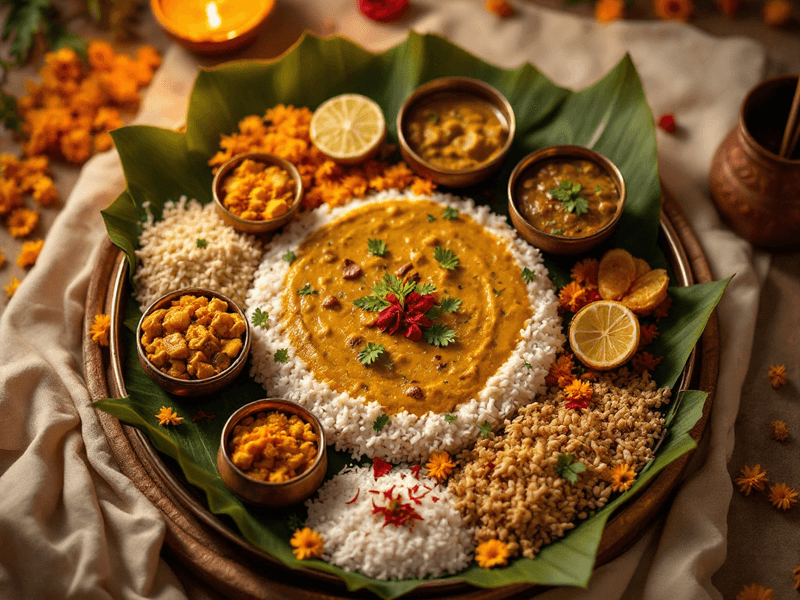
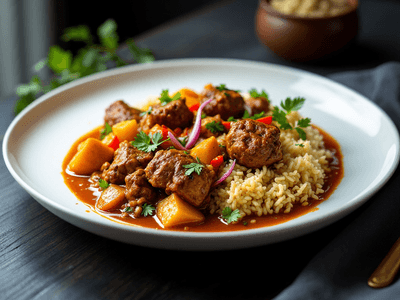
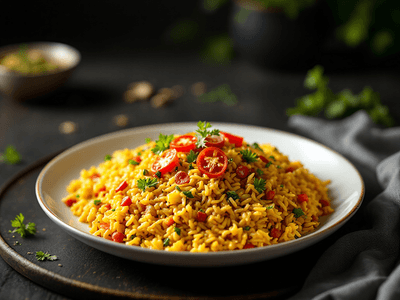
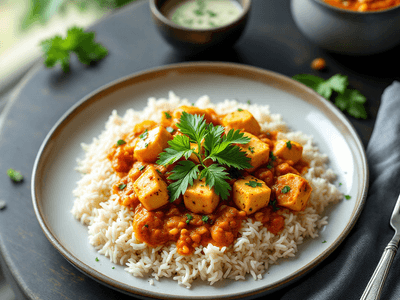
📸 Image coming soon for Chor Curry
Chor Curry
Lunch • India
How to Make Chor Curry (Traditional & Healthy Version)
Chor Curry is a classic North Indian vegetarian dish, deeply rooted in the rustic kitchens of Punjab and Haryana. Featuring wholesome ingredients and aromatic spices, this curry is renowned for its simple yet robust flavors. Traditionally prepared with seasonal vegetables and a blend of masalas, Chor Curry is a staple during lunchtime, offering both comfort and nutrition. Its name, 'Chor', meaning thief, is steeped in folklore, referencing the resourceful use of leftover or 'stolen' veggies to create a vibrant curry. The dish is often paired with freshly made roti (atta flatbread) or steamed rice, making it a complete meal. Chor Curry is especially popular during winter months and regional gatherings, where families enjoy hearty, warming meals. Its balanced taste, featuring earthy tones from cumin (jeera) and coriander (dhania), along with the tang of tomatoes and the freshness of green chillies, makes it a favorite across generations. With a focus on health-conscious cooking, this recipe uses minimal oil and incorporates nutrient-rich ingredients, ideal for calorie tracking and wellness enthusiasts. Chor Curry embodies the spirit of North Indian cuisine—celebrating seasonal produce, sustainable cooking, and communal dining. Whether served during festivals like Lohri or as a daily lunch, this curry brings warmth, nutrition, and authentic Indian flavors to your table.
Ingredients(for 1 medium bowl per person)
- 2 cups Mixed seasonal vegetables (such as carrot (gajar), potato (aloo), cauliflower (phool gobhi), peas (matar))
- 1 medium Onion (finely chopped (pyaz))
- 2 medium Tomato (finely chopped (tamatar))
- 1 tablespoon Ginger-garlic paste (adrak-lahsun paste)
- 2 Green chillies (finely chopped (hari mirch))
- 1 teaspoon Cumin seeds (jeera)
- 1 teaspoon Coriander powder (dhania powder)
- 1/2 teaspoon Turmeric powder (haldi)
- 1/2 teaspoon Red chilli powder (lal mirch powder)
- 1 tablespoon Mustard oil (sarson ka tel)
- to taste Salt (namak)
- 2 tablespoons Fresh coriander leaves (for garnish (hara dhania))
Instructions
- 1
Wash, peel, and chop all mixed vegetables into bite-sized pieces. Keep aside.
5 minutes
Use fresh seasonal veggies for maximum nutrition and authentic flavor.
- 2
Heat mustard oil in a kadhai (deep pan) on medium flame. Add cumin seeds and let them splutter.
2 minutes
Ensure oil is hot before adding jeera for enhanced aroma.
- 3
Add chopped onions and sauté till golden brown.
3 minutes
Stir frequently to avoid burning and ensure even browning.
- 4
Mix in ginger-garlic paste and green chillies. Cook for 1 minute till fragrant.
1 minute
Cook paste well to remove raw taste.
Why This Dish is Healthy
This curry is a healthy lunch option as it leverages locally grown vegetables with minimal oil and spices, retaining maximum nutrients. It's naturally low in calories and high in fiber, aiding digestion and weight management. The recipe avoids heavy cream or processed ingredients, keeping it clean and suitable for calorie-conscious diets. Its plant-based nature supports vegan and vegetarian meal plans.
Chor Curry is rich in dietary fiber, vitamins (A, C, K), and minerals like potassium and magnesium, thanks to the variety of seasonal vegetables used. Mustard oil adds healthy fats, while spices like turmeric provide anti-inflammatory benefits. The dish is low in saturated fat and cholesterol, making it suitable for heart health. The inclusion of peas and potatoes offers complex carbohydrates for sustained energy. Protein can be enhanced by pairing with dal or whole grain roti.
Pro Tips
- 💡Tip 1: Use mustard oil for authentic flavor and health benefits.
- 💡Tip 2: Add a pinch of garam masala at the end for extra aroma.
- 💡Tip 3: Customize vegetable mix based on season and availability.
Storage & Serving
Store leftover Chor Curry in an airtight container in the refrigerator for up to 2 days. Reheat on a tawa or in a microwave, adding a splash of water if needed to restore moisture.
Best served: Lunch
Nutrition Facts
| Nutrient | Per 100g |
|---|---|
| Energy | 150.0 kcal |