Chena Rasgulla
Lunch • India
How to Make Chena Rasgulla (Traditional & Healthy Version)
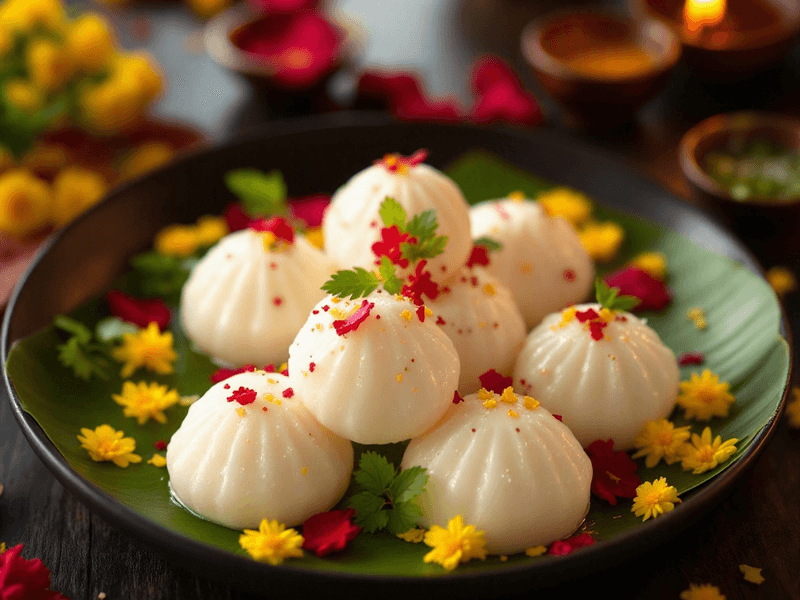
Chena Rasgulla is a beloved dessert originating from the eastern regions of India, particularly Bengal and Odisha. Made from fresh chena (paneer), these soft and spongy balls are gently simmered in light sugar syrup, resulting in a melt-in-the-mouth delicacy. Rasgulla is often enjoyed during festivals such as Durga Puja, Diwali, and family celebrations, symbolizing happiness and prosperity. Its subtle sweetness and airy texture make it an ideal treat for those seeking a lighter, guilt-free sweet. The dish is deeply rooted in India’s culinary heritage, with each region adding its own touch to the preparation. Bengali Rasgulla is known for its pristine white color and springy texture, while Oriya variations may include a hint of cardamom or rose essence. Chena Rasgulla is not just a dessert; it's a cultural icon, reflecting the artistry and precision of Indian sweet-making. The use of chena, a protein-rich ingredient, makes it a healthier option compared to traditional mithai laden with heavy cream or ghee. Perfect for lunch or as a midday snack, Chena Rasgulla offers a satisfying sweetness without overpowering the palate. Its popularity across India is evident, from sweet shops in Kolkata to festive thalis in Odisha, making it a must-have for anyone exploring authentic Indian vegetarian cuisine.
Ingredients(for 2 medium rasgullas per serving)
- 1 litre Full-fat milk (doodh)
- 2 tablespoons Lemon juice (nimbu ras)
- 1 cup Sugar (cheeni)
- 4 cups Water (pani)
- 1/4 teaspoon Cardamom powder (elaichi) - optional
- 1/2 teaspoon Rose water (gulab jal) - optional
- 6-8 Ice cubes (for curdling milk)
- few Saffron strands (kesar) - optional
Instructions
- 1
Boil the doodh in a heavy-bottomed pan. Once it comes to a boil, add nimbu ras slowly, stirring gently until the milk curdles and chena separates.
5 minutes
Use fresh lemon juice for best results and avoid over-boiling the milk.
- 2
Strain the chena using a muslin cloth. Rinse with cold water and add ice cubes to stop further cooking. Squeeze out excess water gently.
3 minutes
Ensure chena is soft but not too wet, as moisture affects texture.
- 3
Transfer chena to a plate. Knead for 5-7 minutes until smooth, soft, and pliable.
7 minutes
Proper kneading ensures rasgullas are spongy and do not crack.
- 4
Divide chena into equal portions and roll into smooth balls without any cracks.
2 minutes
Keep balls small, as they expand while cooking.
Why This Dish is Healthy
This recipe is a healthier dessert option as it uses homemade chena, boiled rather than fried. It’s low in saturated fat and provides protein, making it suitable for lunch or as a light snack. Using natural sweeteners and skipping heavy cream or ghee keeps calories in check, supporting weight management and heart health.
Chena Rasgulla is rich in protein from chena (paneer), making it a nutritious vegetarian sweet. It contains calcium, phosphorus, and vitamin B12, supporting bone health and energy. The use of lemon juice provides vitamin C. Unlike deep-fried sweets, rasgulla is steamed, reducing fat. Sugar content can be adjusted for calorie control, and optional spices like cardamom offer antioxidants.
Pro Tips
- 💡Tip 1: Knead chena thoroughly for a smooth, spongy texture.
- 💡Tip 2: Use a wide, deep pan for boiling to allow rasgullas room to expand.
- 💡Tip 3: Let the rasgullas soak in syrup for at least 1 hour before serving for enhanced flavor.
Storage & Serving
Store rasgullas in syrup in an airtight container in the refrigerator for up to 3 days. Serve chilled or at room temperature.
Best served: Lunch
Nutrition Facts
| Nutrient | Per 100g |
|---|---|
| Energy | 150.0 kcal |