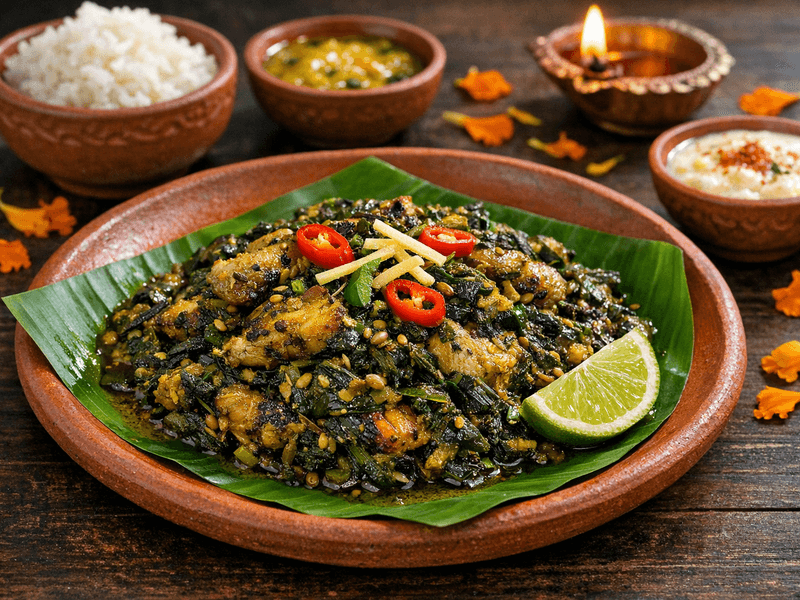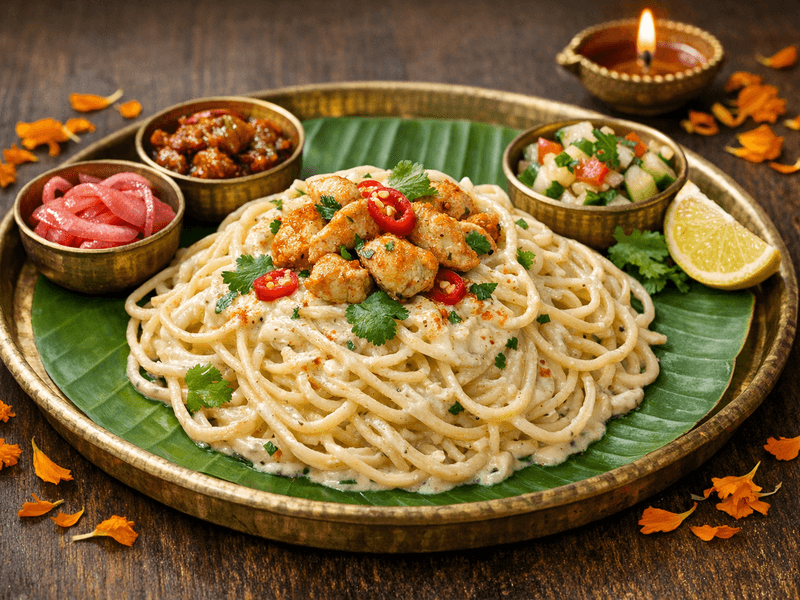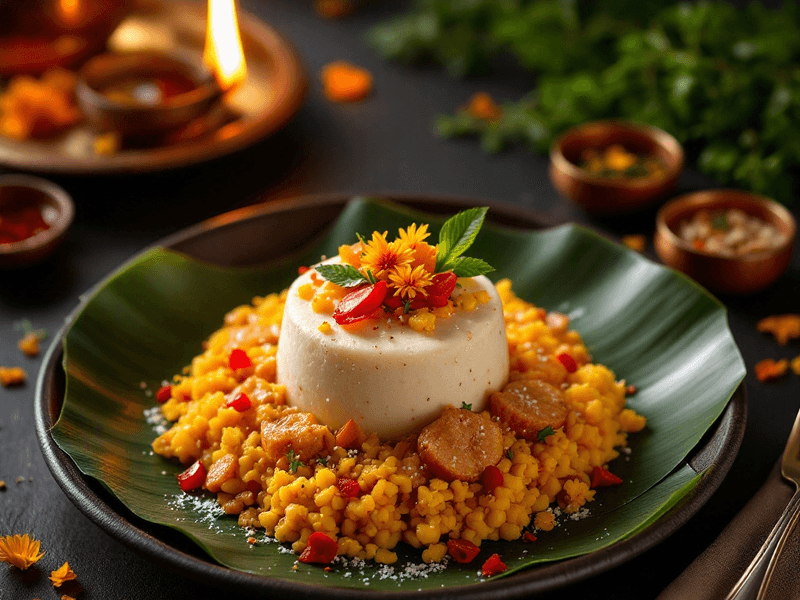
Che Vietnamese Dessert
Lunch • India
How to Make Che Vietnamese Dessert (Traditional & Healthy Version)
Che, a traditional Vietnamese dessert, is beloved for its refreshing, mildly sweet, and nourishing qualities. Though Che originated outside India, its vibrant medley of coconut milk, seasonal fruits, and pulses makes it a delightful choice for Indian palates, especially during the hot summer months or festive gatherings. In India, this dessert is reminiscent of popular sweet dishes like payasam or kheer, offering a unique twist with its layered textures and flavors. This health-conscious version of Che uses jaggery (gur) instead of refined sugar, and incorporates local ingredients like sabudana (tapioca pearls), moong dal, and fresh coconut, making it both nutritious and suitable for the Indian climate. The creamy coconut base, paired with the natural sweetness of fruits and the protein-rich dal, makes Che a perfect vegetarian dessert for lunch, especially during festivals like Holi or as a cooling end to a spicy meal. Its adaptability to local tastes and ingredients makes Che a new favorite among Indian households seeking variety and wellness in their diet.
Ingredients(for 1 medium bowl)
- 1/4 cup Sabudana (Tapioca pearls) (Soaked for 2 hours)
- 1/4 cup Moong dal (yellow split lentils) (Washed and boiled)
- 1 cup Fresh coconut milk (Nariyal doodh)
- 2 tablespoons Jaggery (Gur, grated)
- 1 tablespoon Chia seeds (Optional, for added nutrition) - optional
- 1/2 cup Assorted fruits (Mango, banana, or papaya, diced)
- 1 tablespoon Roasted peanuts (Moongphali, crushed) - optional
- 1/4 teaspoon Vanilla essence - optional
- A pinch Salt
- 1 cup Water (For cooking sabudana and dal)
Instructions
- 1
Soak sabudana in water for 2 hours until soft. Rinse and drain.
5 minutes
Ensure the sabudana is fully soaked to avoid a chewy texture.
- 2
Boil moong dal with a pinch of salt until just cooked but not mushy. Drain and set aside.
10 minutes
Do not overcook the dal to maintain texture.
- 3
In a saucepan, add soaked sabudana and 1 cup water. Cook on medium flame till pearls turn translucent.
7 minutes
Stir continuously to prevent sticking.
- 4
Add coconut milk and jaggery to the saucepan. Mix well and simmer for 3-4 minutes till jaggery melts.
4 minutes
Do not boil coconut milk for too long to retain its aroma.
Why This Dish is Healthy
Choosing Che made with coconut milk and jaggery instead of refined sugar means lower glycemic load and better mineral content. It’s a light, low-oil dessert that fits easily into a balanced Indian meal. The use of pulses and fruits supports sustained energy and better digestion, while making it a guilt-free treat even for those watching their weight or blood sugar levels.
This Che Vietnamese Dessert is a powerhouse of nutrition, with sabudana providing quick energy, moong dal adding plant-based protein, and coconut milk supplying healthy fats and lauric acid. Jaggery is rich in iron and minerals, while fruits bring in vitamins, antioxidants, and dietary fiber. Chia seeds up the omega-3 content. The dessert is naturally gluten-free and can be made vegan if needed, making it suitable for a variety of dietary preferences.
Pro Tips
- 💡Tip 1: Use freshly extracted coconut milk for the best flavor and creaminess.
- 💡Tip 2: Adjust sweetness by varying the amount of jaggery based on the ripeness of fruits used.
- 💡Tip 3: For an extra layer of flavor, add a pinch of cardamom (elaichi) powder.
Storage & Serving
Store Che in an airtight container in the refrigerator for up to 2 days. Add fresh fruits just before serving to retain their texture and taste.
Best served: Breakfast or Lunch
Nutrition Facts
| Nutrient | Per 100g |
|---|---|
| Energy | 220.0 kcal |