Chapati 2 Piece
Lunch • India
How to Make Chapati 2 Piece (Traditional & Healthy Version)
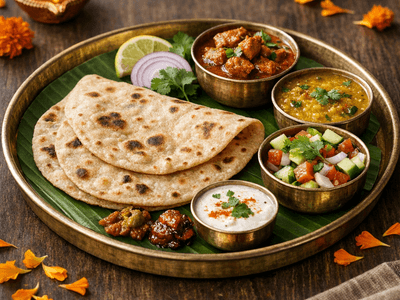
Chapati, also known as roti, is a staple flatbread in North Indian cuisine, cherished for its simplicity, versatility, and wholesome taste. Made primarily with whole wheat flour, or 'atta', chapati is a quintessential part of daily meals across Indian households. Its soft texture and mild, nutty flavor complement a wide variety of sabzi (vegetable curries), dals, and chutneys, making it a foundational food for lunch, especially in North India. Chapati is not just a food item; it represents Indian tradition, family bonding, and the art of home-cooked meals. During festivals like Diwali and Holi, chapatis are often served alongside festive delicacies, highlighting their cultural significance. The process of making chapati is almost meditative, involving kneading, rolling, and roasting on a hot 'tawa'. This dish is also celebrated for its adaptability—regional variations like phulka and missi roti showcase chapati’s diversity. If you’re seeking a healthy, vegetarian, and satisfying lunch option, chapati is an excellent choice, connecting you to the roots of Indian culinary heritage.
Ingredients(for 1 chapati per person (approx. 40g cooked))
- 1 cup Whole wheat flour (atta)
- 1/3 cup (as needed) Water (for kneading)
- 1/4 tsp Salt (optional) - optional
- 1 tsp Ghee (for brushing (optional)) - optional
- 1/2 tsp Oil (for kneading (optional)) - optional
- 2 tbsp Dry flour (for dusting)
Instructions
- 1
In a large bowl, add atta (whole wheat flour) and salt. Mix well. Gradually add water and start kneading to form a soft, smooth dough.
5 minutes
Add water little by little to avoid sticky dough.
- 2
Cover the dough with a damp cloth and let it rest for 10-15 minutes. This helps the gluten develop and makes rolling easier.
10 minutes
Resting makes chapatis softer.
- 3
Divide the dough into two equal balls. Dust each ball with dry flour to prevent sticking.
2 minutes
Keep balls covered to avoid drying.
- 4
Using a rolling pin, roll each dough ball on a lightly floured surface into a thin, even circle (about 6 inches diameter).
3 minutes
Rotate and dust to prevent tearing.
Why This Dish is Healthy
Chapati is a healthy lunch choice because it contains whole grains, is low in calories, and has minimal saturated fat. Its high fiber content supports healthy digestion and helps you feel full longer, reducing overeating. Unlike refined flour breads, chapati made from atta stabilizes blood sugar, which is especially beneficial for diabetics and weight watchers. Pairing chapati with vegetables or dals creates a nutritionally balanced meal.
Chapati is rich in complex carbohydrates, dietary fiber, and plant-based protein, thanks to whole wheat atta. It provides sustained energy, supports digestion, and is a good source of essential vitamins like B-complex and minerals such as iron, magnesium, and phosphorus. When made without excess ghee or oil, chapati is low in fat and cholesterol, making it suitable for heart health, weight management, and controlled blood sugar levels.
Pro Tips
- 💡Tip 1: Resting the dough ensures softer chapatis.
- 💡Tip 2: Roll evenly for proper puffing.
- 💡Tip 3: Keep cooked chapatis covered in a cloth to retain moisture and softness.
Storage & Serving
Store chapatis wrapped in a cotton cloth inside an airtight container. Consume within 6-8 hours for best taste. For longer storage, refrigerate in a zip pouch and reheat on tawa before serving.
Best served: Breakfast or Lunch
Nutrition Facts
| Nutrient | Per 100g |
|---|---|
| Energy | 180.0 kcal |
| Protein | 5.0 g |
| Carbohydrates | 35.0 g |
| Total Fat | 2.0 g |
| Fiber | 4.0 g |