Cabbage Potato Curry
Lunch • India
How to Make Cabbage Potato Curry (Traditional & Healthy Version)
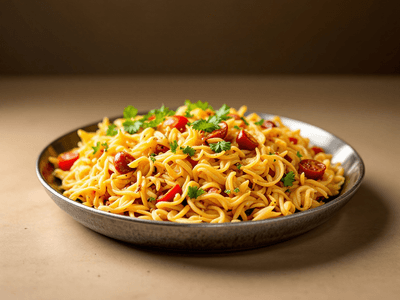
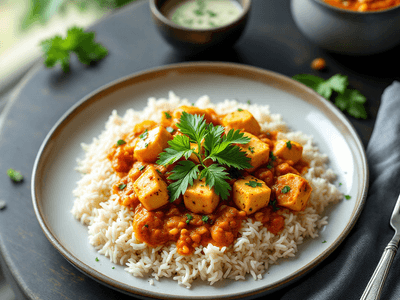
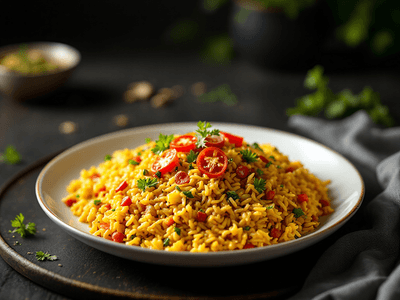
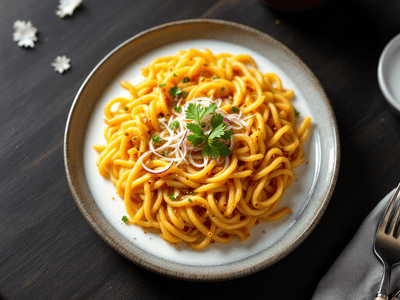
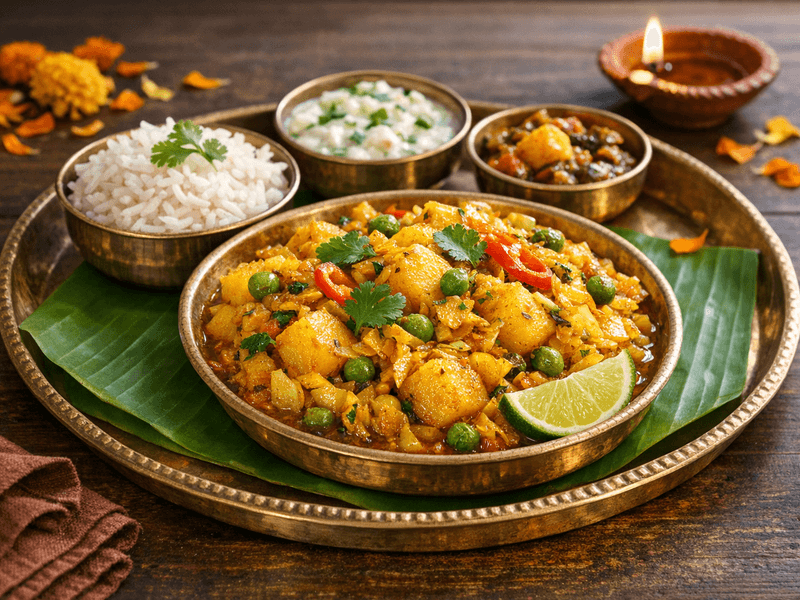
Cabbage Potato Curry, known as Patta Gobi Aloo ki Sabzi in Hindi, is a beloved North Indian vegetarian dish that graces lunch tables across India, especially during the winter and monsoon months. This curry combines the subtle sweetness of cabbage (patta gobi) with the hearty texture of potatoes (aloo), offering a comforting, home-style flavor that’s both satisfying and nourishing. Lightly spiced with traditional masalas, this sabzi is a staple in many North Indian households and is often paired with hot phulka, roti, or plain steamed rice. The origins of Cabbage Potato Curry lie in the heart of Punjab and Uttar Pradesh, where seasonal vegetables are celebrated and transformed into rustic curries. Its simplicity, minimal oil, and use of everyday spices make it a great choice for health-conscious eaters and those tracking their calories. This dish is particularly popular during festivals like Navratri (when made without onions and garlic) and Lohri, and it holds a special significance in Indian thali meals, where it balances richer dishes with its lightness. Enjoy this nutritious sabzi as part of your lunch, tiffin, or family meal, knowing you are savoring an authentic taste of Indian home cooking.
Ingredients(for 1 medium bowl (approx. 200g))
- 2 cups, shredded Cabbage (patta gobi) (fresh, green)
- 1 cup, diced Potatoes (aloo) (medium-sized, peeled)
- 1 small, finely chopped Onion (pyaz)
- 1 medium, chopped Tomato (tamatar)
- 1, slit Green chili (hari mirch) - optional
- 1 tsp, grated Ginger (adrak)
- 1/2 tsp Turmeric powder (haldi)
- 1/2 tsp Red chili powder (lal mirch)
- 1 tsp Coriander powder (dhaniya powder)
- 1/2 tsp Cumin seeds (jeera)
- 1 tbsp Oil (mustard oil or any cold pressed oil)
- to taste Salt (namak)
- 2 tbsp, chopped Fresh coriander leaves (hara dhaniya, for garnish) - optional
Instructions
- 1
Heat oil in a kadhai or deep pan. Add cumin seeds (jeera) and let them splutter.
2 minutes
Tempering spices in hot oil enhances the aroma and flavor of the curry.
- 2
Add chopped onions and sauté until translucent. Add grated ginger and green chili, sauté for another minute.
4 minutes
Do not brown the onions; gentle sautéing brings out sweetness.
- 3
Add diced potatoes and sprinkle turmeric, red chili powder, and coriander powder. Mix well and cook for 2-3 minutes.
3 minutes
Coating potatoes with spices at this stage ensures even flavor.
- 4
Add chopped tomato and salt. Cook until tomatoes soften and oil starts to separate.
3 minutes
Cover the pan to soften tomatoes faster and retain nutrients.
Why This Dish is Healthy
This curry is a healthy choice because it uses fresh vegetables, minimal oil, and traditional Indian spices. The fiber in cabbage and potatoes aids digestion and promotes satiety, which is ideal for weight management. The recipe avoids deep frying and excess fat, making it heart-friendly and easy to digest. Including this dish in your lunch supports balanced nutrition and a healthy eating pattern.
Cabbage Potato Curry is a low-calorie, nutrient-dense dish. Cabbage is rich in dietary fiber, vitamin C, and antioxidants, supporting digestion and immunity. Potatoes add potassium, vitamin B6, and complex carbs for sustained energy. The use of minimal oil and spices like turmeric and ginger provide anti-inflammatory benefits. This sabzi is naturally gluten-free, vegan (if prepared without ghee), and free from heavy cream or butter, making it suitable for most diets.
Pro Tips
- 💡Tip 1: Always shred cabbage finely for faster cooking and better texture.
- 💡Tip 2: Adding a squeeze of lemon at the end enhances flavor and vitamin C.
- 💡Tip 3: For a dry sabzi, cook uncovered for the last few minutes to evaporate excess moisture.
Storage & Serving
Store any leftovers in an airtight container in the refrigerator for up to 2 days. Reheat gently in a pan or microwave before serving. Avoid freezing as cabbage can lose its texture.
Best served: Lunch
Nutrition Facts
| Nutrient | Per 100g |
|---|---|
| Energy | 180.0 kcal |