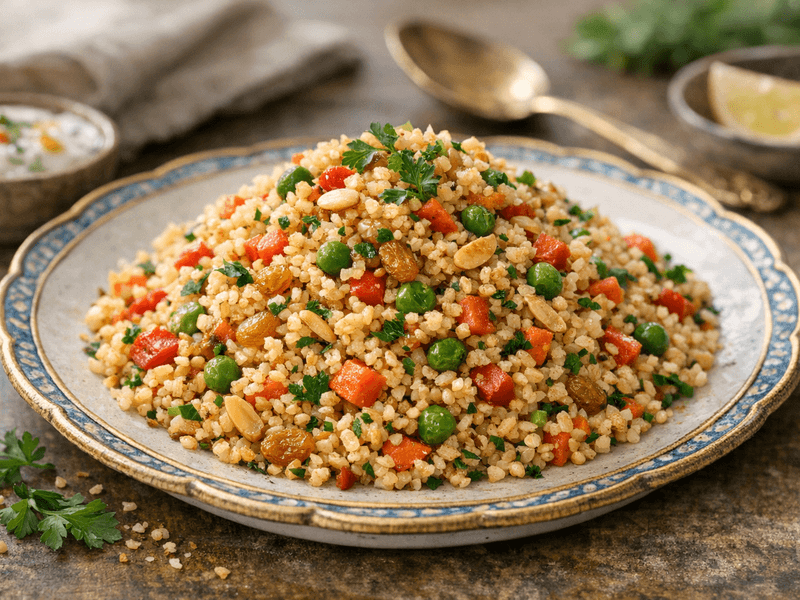
Broken Wheat Pilaf
Lunch • India
How to Make Broken Wheat Pilaf (Traditional & Healthy Version)
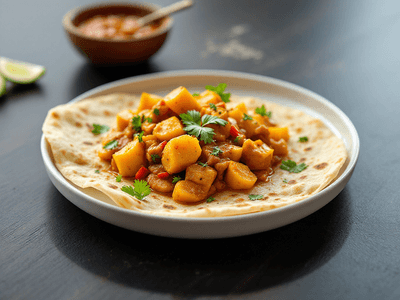
Broken Wheat Pilaf, also known as Dalia Pulao or Godhuma Upma in South India, is a nourishing and flavorful lunch option deeply rooted in Indian culinary tradition. This dish is made from cracked wheat (dalia), a staple grain commonly used in North Indian kitchens for its high fiber content and hearty texture. The pilaf is gently simmered with an array of fresh vegetables, aromatic spices like jeera (cumin), and garnished with hara dhania (fresh coriander), making it both wholesome and appealing. Broken Wheat Pilaf is a popular choice during festivals like Navratri when light and nutritious foods are preferred, and is often served in homes for its easy digestibility and balanced taste. The taste of Broken Wheat Pilaf is mild yet inviting, drawing from the natural flavors of vegetables such as carrots, peas, and beans. The addition of spices like haldi (turmeric) and garam masala enhances the earthy undertones, while a squeeze of nimbu (lemon) at the end brings a refreshing zest. This dish is versatile and can be adapted to suit regional preferences, with variations seen in Western and Southern Indian preparations, where coconut or curry leaves are added for extra aroma. It is ideal for calorie-conscious individuals, making it a preferred recipe for lunch boxes, weight loss diets, and diabetic-friendly meal plans. Broken Wheat Pilaf is more than just a meal; it is a representation of Indian home-cooked comfort food. It is commonly enjoyed during family gatherings, festivals, and as a nutritious lunch option for working professionals and students. Its simplicity, health benefits, and adaptability make it a beloved dish across India, suitable for all ages and dietary preferences.
Ingredients(for 1 medium bowl (approx. 200g) per person)
- 1 cup Broken wheat (dalia) (dalia)
- 1 medium Onion (pyaz, finely chopped)
- 1 small Carrot (gajar, diced)
- 1/2 cup Green peas (matar, fresh or frozen)
- 1/4 cup French beans (sliced)
- 1 medium Tomato (tamatar, chopped)
- 1 tsp Cumin seeds (jeera)
- 1/2 tsp Turmeric powder (haldi)
- 1/4 tsp Garam masala (optional) - optional
- 1 Green chili (hari mirch, finely chopped) - optional
- 1 inch Ginger (adrak, grated)
- to taste Salt (namak)
- 1 tbsp Oil (any neutral oil (e.g., mustard oil or olive oil))
- 2 tbsp Fresh coriander (hara dhania, chopped)
- 1 tsp Lemon juice (nimbu ras) - optional
- 2 cups Water (for cooking)
Instructions
- 1
Wash and rinse broken wheat (dalia) thoroughly. Drain excess water.
5 minutes
Soaking dalia for 10 minutes softens it and speeds up cooking.
- 2
Heat oil in a heavy-bottomed kadhai or pan. Add cumin seeds (jeera) and let them splutter.
3 minutes
Use mustard oil for a more earthy flavor.
- 3
Add chopped onions, ginger, and green chili. Sauté until onions turn translucent.
3 minutes
Do not brown the onions; keep them soft for a lighter pilaf.
- 4
Add carrots, peas, and beans. Stir well. Cook for 3-4 minutes until vegetables are slightly tender.
4 minutes
Cut veggies uniformly for even cooking.
Why This Dish is Healthy
This dish uses whole grains and fresh vegetables, avoiding refined grains and excessive fats. Its low glycemic index is beneficial for diabetics, and high fiber aids in weight loss. The inclusion of protein-rich peas and beans makes it nutritious for vegetarians and those looking to build muscle. The balance of macros and micronutrients supports daily energy and immunity.
Broken Wheat Pilaf is rich in dietary fiber, vitamins (especially B-complex), and minerals such as magnesium and iron. The use of dalia provides complex carbohydrates, making it a slow-releasing energy source ideal for keeping you full longer. Added vegetables boost vitamin A, C, and antioxidants, while minimal oil keeps the fat content low. This recipe is suitable for weight management, heart health, and digestive wellness.
Pro Tips
- 💡Tip 1: Always soak dalia for a softer texture and faster cooking.
- 💡Tip 2: Add lemon juice just before serving to preserve its vitamin C and freshness.
- 💡Tip 3: Use seasonal vegetables for maximum nutrition and flavor.
Storage & Serving
Store leftover pilaf in an airtight container in the refrigerator for up to 2 days. Reheat gently in a pan with a splash of water to restore moisture.
Best served: Breakfast or Lunch
Nutrition Facts
| Nutrient | Per 100g |
|---|---|
| Energy | 210.0 kcal |
| Protein | 3.7 g |
| Carbohydrates | 22.5 g |
| Total Fat | 1.8 g |
| Fiber | 3.1 g |
| Sugars | 0.5 g |
| Iron | 1.1 mg |
| Calcium | 14.0 mg |
| Sodium | 210.0 mg |
| Potassium | 95.0 mg |
| Cholesterol | 0.0 mg |
| Vitamin A | 45.0 IU |
| Vitamin C | 2.2 mg |
| Magnesium | 32.0 mg |
| Zinc | 0.7 mg |
| Phosphorus | 48.0 mg |
| Vitamin D | 0.0 IU |
| Vitamin B1 (Thiamine) | 0.1 mg |
| Vitamin B2 (Riboflavin) | 0.0 mg |
| Vitamin B3 (Niacin) | 0.7 mg |
| Vitamin B6 | 0.1 mg |
| Vitamin B12 | 0.0 µg |
| Folate | 18.0 µg |