Bread Bajji
Lunch • India
How to Make Bread Bajji (Traditional & Healthy Version)
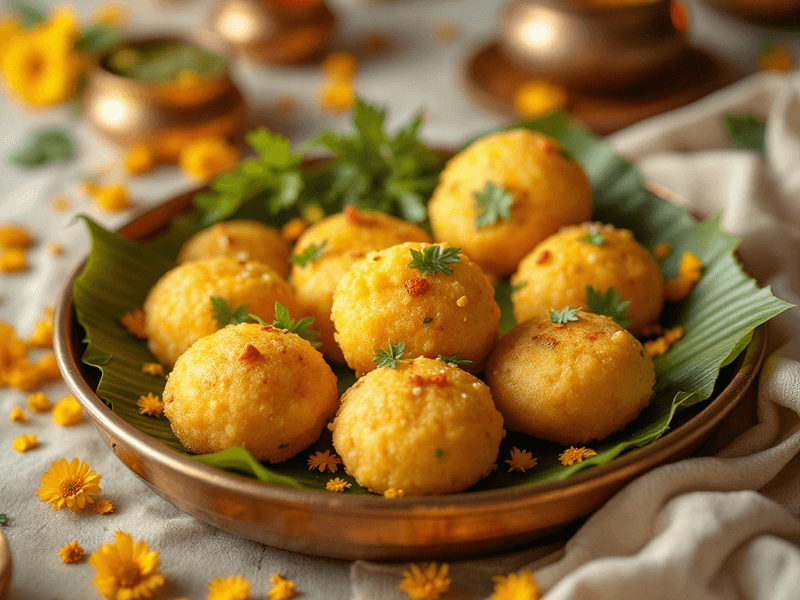
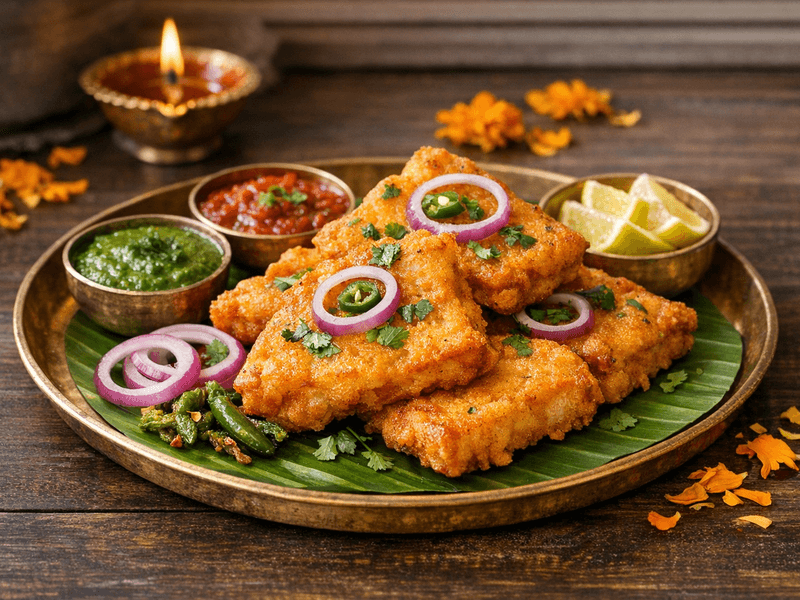
Bread Bajji, also known as Bread Pakora in some parts of South India, is a delightful and crispy snack that has won the hearts of food lovers across the region. This classic dish is especially popular in Andhra Pradesh, Telangana, Tamil Nadu, and Karnataka, where it’s often enjoyed as a quick lunch or a special treat during monsoons. Made by dipping slices of bread in a besan (gram flour) batter and shallow-frying them to golden perfection, Bread Bajji offers a satisfying crunch with every bite. The subtle heat from green chillies, warmth from ajwain (carom seeds), and freshness from coriander leaves make it a flavorful experience. Traditionally, Bread Bajji is served hot with chutneys like pudina (mint) or coconut chutney, making it a favorite during family gatherings, school tiffins, and festive celebrations. Its simplicity and versatility allow for easy adaptations, such as stuffing it with mashed potatoes or vegetables. This healthy version uses whole wheat bread (atta bread) and shallow frying to minimize oil usage, keeping the calorie count in check without compromising on taste. Bread Bajji is a great choice for those seeking a quick, nutritious, and authentic Indian lunch that brings back nostalgic memories of Indian homes and street-side stalls.
Ingredients(for 2 large bajjis (approx. 80g each))
- 4 slices Whole wheat bread (atta bread) (Use fresh or day-old bread)
- 1 cup Besan (gram flour) (Chickpea flour)
- 2 tbsp Rice flour (For crispiness)
- 1/4 tsp Haldi (turmeric powder)
- 1/2 tsp Red chilli powder (Adjust to taste)
- 1/4 tsp Ajwain (carom seeds) (Aids digestion) - optional
- 1 Green chilli (Finely chopped) - optional
- 2 tbsp Fresh coriander leaves (Finely chopped)
- to taste Salt
- approx. 3/4 cup Water (For batter consistency)
- 2-3 tbsp Gingelly oil (til ka tel) or sunflower oil (For shallow frying)
Instructions
- 1
Prepare the batter by mixing besan, rice flour, haldi, red chilli powder, ajwain, and salt in a bowl. Add water gradually to form a smooth, thick batter (similar to dosa batter).
5 minutes
Ensure the batter is lump-free for even coating.
- 2
Add chopped green chilli and fresh coriander leaves to the batter. Mix well for a burst of flavor.
2 minutes
Adjust chilli according to spice preference or skip for kids.
- 3
Cut each slice of bread diagonally to form triangles or rectangles as desired.
2 minutes
Using day-old bread helps prevent sogginess.
- 4
Heat a tawa or non-stick pan on medium flame. Add 2-3 tbsp oil and spread evenly.
3 minutes
Shallow frying reduces oil absorption compared to deep frying.
Why This Dish is Healthy
Choosing atta bread over white bread increases the fiber content and helps regulate blood sugar levels. Besan is naturally gluten-free and high in protein, keeping you satiated longer. By opting for shallow frying instead of deep frying, oil intake is minimized, making Bread Bajji a lighter, yet truly satisfying, lunch option for calorie-conscious individuals.
Bread Bajji made with whole wheat bread and besan is rich in dietary fiber, plant-based protein, and essential minerals like iron and magnesium. Besan contains complex carbohydrates with a low glycemic index, making it a healthier alternative to refined flour. The use of fresh coriander and green chillies adds vitamin C and antioxidants. Shallow frying in minimal oil ensures the dish remains low in saturated fat, supporting heart health and weight management goals.
Pro Tips
- 💡Tip 1: Use thick slices of bread for a sturdier bajji that doesn't break.
- 💡Tip 2: To reduce oil, drain bajjis on absorbent paper immediately after frying.
- 💡Tip 3: For extra flavor, rub a garlic clove on bread before dipping in batter.
Storage & Serving
Bread Bajji tastes best when served fresh and hot. If needed, store leftovers in an airtight container in the refrigerator for up to 1 day. Reheat on a tawa or in an oven to restore crispiness—avoid microwaving as it may turn soggy.
Best served: Breakfast or Lunch
Nutrition Facts
| Nutrient | Per 100g |
|---|---|
| Energy | 120.0 kcal |
| Protein | 5.2 g |
| Carbohydrates | 27.5 g |
| Total Fat | 8.6 g |
| Fiber | 2.1 g |
| Sugars | 2.4 g |
| Iron | 1.5 mg |
| Calcium | 54.0 mg |
| Sodium | 340.0 mg |
| Potassium | 110.0 mg |
| Cholesterol | 0.0 mg |
| Vitamin A | 45.0 IU |
| Vitamin C | 1.2 mg |
| Magnesium | 22.0 mg |
| Zinc | 0.4 mg |
| Phosphorus | 65.0 mg |
| Vitamin D | 0.0 IU |
| Vitamin B1 (Thiamine) | 0.1 mg |
| Vitamin B2 (Riboflavin) | 0.1 mg |
| Vitamin B3 (Niacin) | 0.7 mg |
| Vitamin B6 | 0.1 mg |
| Vitamin B12 | 0.0 µg |
| Folate | 28.0 µg |