Boiled Rajma 75 Gram
Lunch • India
How to Make Boiled Rajma 75 Gram (Traditional & Healthy Version)
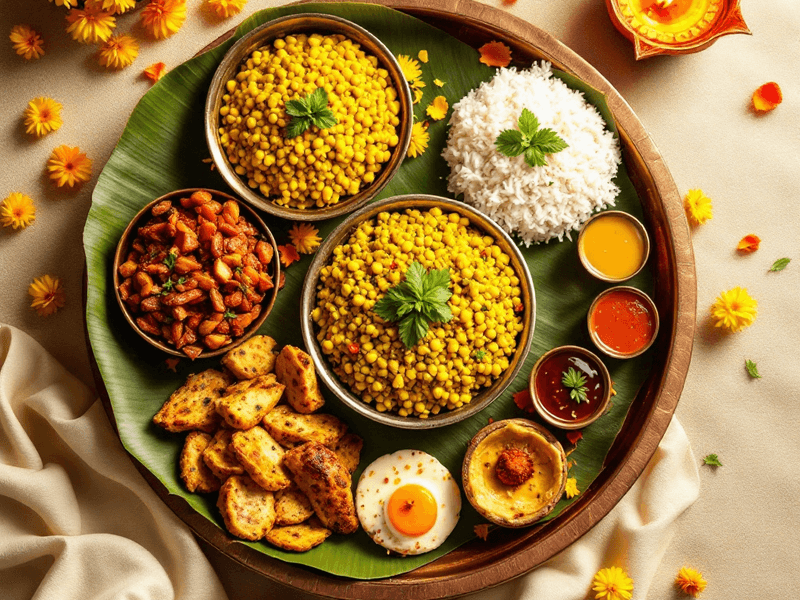
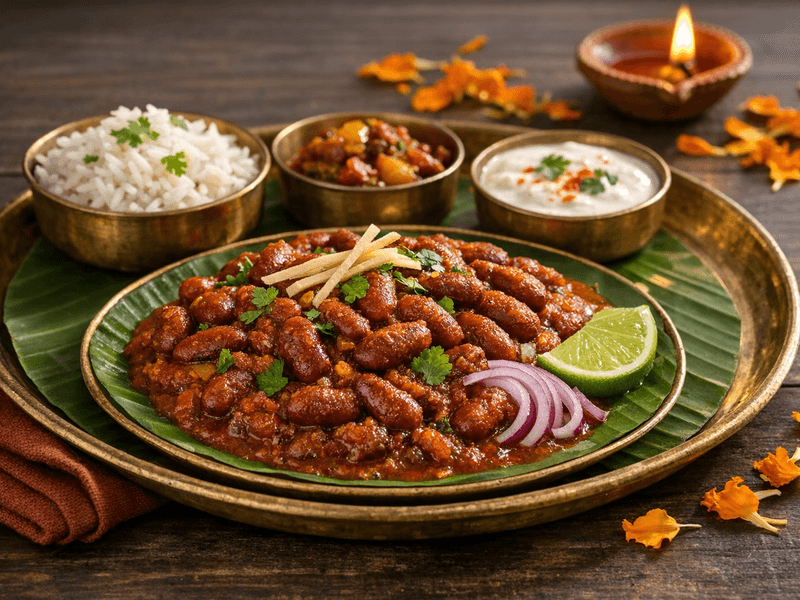
Boiled Rajma, or boiled kidney beans, is a staple dish across North India, especially in regions like Punjab and Delhi, renowned for their hearty rajma preparations. Rajma is often enjoyed as a nutritious lunch with steamed rice (rajma chawal) or as part of a thali, offering a wholesome balance of protein, fiber, and flavor. Traditionally, rajma is slow-cooked to perfection, resulting in soft, melt-in-the-mouth beans with a subtle earthy taste. This healthy boiled rajma recipe is simple yet packed with essential nutrients, making it a popular choice for health-conscious individuals and those following vegetarian diets. In India, rajma is not only valued for its nutrition but also for its cultural significance. It is commonly served during festivals like Lohri and family gatherings, symbolizing comfort and togetherness. The dish is versatile, with regional variations such as the spicy Jammu-style rajma or the mild Himachali version. Boiled rajma is easy to prepare, requires minimal ingredients, and can be paired with roti, paratha, or rice, making it a convenient lunch option for busy weekdays. Its mild flavor makes it suitable for children and elders alike, and it can be customized to suit different dietary needs. Choosing boiled rajma for lunch offers a healthy alternative to fried or oily foods, supporting a balanced diet. The combination of protein and fiber helps keep you full for longer, aids digestion, and provides sustained energy. Whether for a festival meal or everyday lunch, boiled rajma is a timeless Indian dish that reflects the rich culinary heritage of the country.
Ingredients(for 1 medium katori per person)
- 75 grams Rajma (Kidney Beans) (soaked overnight)
- 3 cups Water (for boiling)
- 1/2 teaspoon Salt (namak)
- 1/4 teaspoon Turmeric Powder (haldi)
- 1/2 teaspoon Cumin Seeds (jeera)
- 1/2 inch piece Ginger (adrak, finely chopped)
- 1 Green Chilli (hari mirch, chopped) - optional
- 1 tablespoon Coriander Leaves (dhaniya, chopped) - optional
- 1 teaspoon Lemon Juice (nimbu ras, for garnish) - optional
- 1/4 teaspoon Black Pepper (kali mirch, freshly ground) - optional
Instructions
- 1
Rinse rajma thoroughly and soak overnight in ample water. This softens the beans and reduces cooking time.
5 minutes
Use filtered water for soaking to enhance taste and digestibility.
- 2
Drain soaked rajma and transfer to a pressure cooker. Add 3 cups water, salt, and turmeric powder.
3 minutes
Do not add too much salt initially. Adjust later as needed.
- 3
Pressure cook rajma for 10-12 minutes (3-4 whistles) until beans are soft but not mushy.
12 minutes
Let pressure release naturally for best texture.
- 4
Heat a small pan, add cumin seeds. When they splutter, add ginger and green chilli. Sauté for 1 minute.
3 minutes
Use a tadka pan for authentic Indian flavor.
Why This Dish is Healthy
Boiled rajma is a low-fat, high-protein dish perfect for lunch. The absence of oil and minimal spices makes it easy to digest, suitable for weight loss and diabetic diets. Its slow-release carbohydrates ensure steady energy levels, supporting metabolic health. Rajma is naturally gluten-free and vegan, fitting most dietary preferences.
Rajma is a powerhouse of plant-based protein, dietary fiber, and complex carbohydrates, making it ideal for vegetarians. It contains essential minerals like iron, potassium, magnesium, and folate, supporting heart health and energy metabolism. The fiber aids digestion and helps regulate blood sugar, while antioxidants support overall immunity.
Pro Tips
- 💡Tip 1: Always soak rajma overnight to reduce cooking time and improve digestibility.
- 💡Tip 2: Use fresh ginger and coriander leaves for enhanced flavor and aroma.
- 💡Tip 3: Add lemon juice just before serving to retain vitamin C and freshness.
Storage & Serving
Store boiled rajma in an airtight container in the refrigerator for up to 3 days. Reheat on stove or microwave, adding a splash of water for freshness.
Best served: Breakfast or Lunch
Nutrition Facts
| Nutrient | Per 100g |
|---|---|
| Energy | 250.0 kcal |
| Protein | 8.0 g |
| Carbohydrates | 23.0 g |
| Total Fat | 0.0 g |
| Fiber | 6.0 g |
| Sugars | 0.6 g |
| Sodium | 2.0 mg |
| Potassium | 405.0 mg |
| Cholesterol | 0.0 mg |
| Vitamin A | 0.0 IU |
| Vitamin C | 4.5 mg |
| Calcium | 28.0 mg |
| Iron | 2.1 mg |
| Magnesium | 53.0 mg |
| Zinc | 1.1 mg |
| Phosphorus | 142.0 mg |
| Vitamin D | 0.0 IU |
| Vitamin B1 (Thiamine) | 0.2 mg |
| Vitamin B2 (Riboflavin) | 0.1 mg |
| Vitamin B3 (Niacin) | 0.6 mg |
| Vitamin B6 | 0.1 mg |
| Vitamin B12 | 0.0 µg |
| Folate | 130.0 µg |