Boiled Parboiled Rice
Lunch • India
How to Make Boiled Parboiled Rice (Traditional & Healthy Version)
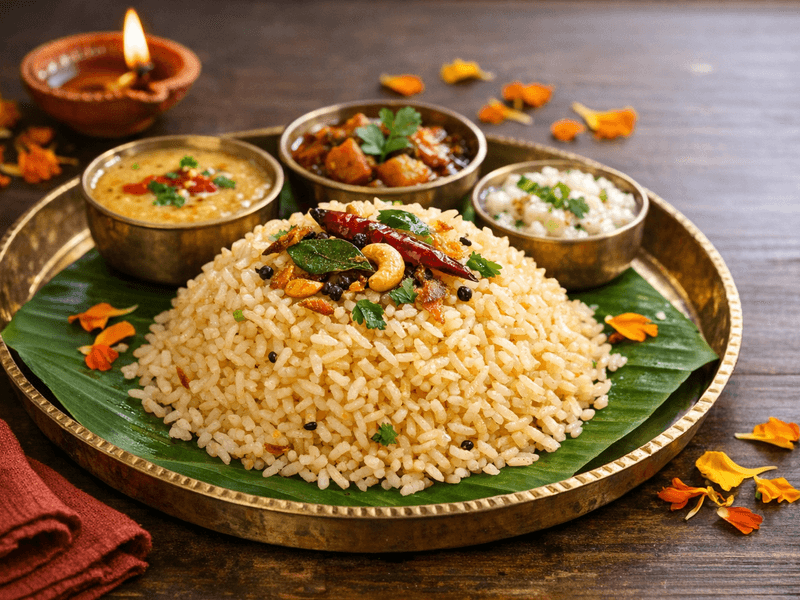
Boiled Parboiled Rice, known regionally as 'Puzhungal Arisi Sadam' in Tamil Nadu and 'Ukda Chawal' in Maharashtra, is a staple in South Indian cuisine. Renowned for its gentle aroma, fluffy grains, and comforting texture, this classic rice dish is an essential part of South Indian thali, especially during lunch hours. Parboiled rice is partially precooked in its husk, retaining more nutrients compared to regular white rice, making it a nutritious choice for health-conscious individuals. In traditional South Indian households, boiled parboiled rice is enjoyed daily and serves as a base for various accompaniments like sambar, rasam, and curd. The mild flavor allows the vibrant curries and vegetable stir-fries to shine, while the slightly chewy texture provides satisfaction with every mouthful. Its preparation is simple, requiring minimal ingredients, which makes it a preferred option during festivals such as Pongal, when pure and wholesome foods are favored. This rice is not just a culinary delight but also a symbol of southern hospitality and culture.
Ingredients(for 1 medium katori (about 150g cooked rice) per serving)
- 1 cup Parboiled rice (Puzhungal arisi / Ukda chawal)
- 3 cups Water (Filtered, for cooking rice)
- 1/2 tsp Salt (Namak, adjust to taste)
- 1/2 tsp Ghee (Optional, for aroma and taste) - optional
- 1/2 tsp Lemon juice (Nimbu ras, optional for fluffiness) - optional
- 5-6 Curry leaves (Kadi patta, optional for aroma) - optional
- 1/4 tsp Fenugreek seeds (Methi dana, optional for digestion) - optional
- 1/4 tsp Oil (Cold-pressed, optional) - optional
Instructions
- 1
Rinse the parboiled rice thoroughly 2-3 times under running water. Soak in enough water for 10-15 minutes.
15 minutes
Soaking helps reduce cooking time and improves the rice texture.
- 2
Drain the soaked rice. In a thick-bottomed handi or patila, add the rice along with 3 cups of fresh water.
2 minutes
Use a heavy vessel to prevent burning and to ensure even cooking.
- 3
Add salt and bring the mixture to a boil over medium heat. Skim off any foam that forms on top.
5 minutes
Adding salt early helps the rice grains absorb flavor thoroughly.
- 4
Once boiling, reduce the flame to low, cover with a lid (leaving a slight gap for steam) and let it simmer. Optionally add curry leaves and fenugreek seeds for aroma and digestive benefits.
10 minutes
Do not stir too much to avoid breaking the grains.
Why This Dish is Healthy
Boiled Parboiled Rice is a healthy choice due to its low glycemic index and high nutritional value. It is naturally gluten-free, easy to digest, and provides sustained energy without causing blood sugar spikes. The addition of curry leaves and fenugreek seeds enhances its digestive benefits, and the minimal use of oil or ghee keeps the calorie count low, making it suitable for weight management and diabetic diets.
Parboiled rice is a rich source of complex carbohydrates, making it an excellent energy provider. Unlike regular rice, the parboiling process retains more B vitamins, minerals like magnesium and calcium, and dietary fiber. The low-fat content makes it heart-friendly, while the slow-releasing carbs help maintain steady blood sugar levels. When combined with dals or curd, it offers a balanced amino acid profile, supporting muscle repair and overall health.
Pro Tips
- 💡Use aged parboiled rice for fluffier, non-sticky grains.
- 💡Drain excess water promptly to prevent sogginess.
- 💡For meal prep, cook in bulk and portion into individual containers.
Storage & Serving
Store leftover boiled parboiled rice in an airtight container in the refrigerator for up to 2 days. Sprinkle a little water and reheat covered in a steamer or microwave for best texture.
Best served: Breakfast or Lunch
Nutrition Facts
| Nutrient | Per 100g |
|---|---|
| Energy | 120.0 kcal |
| Protein | 2.0 g |
| Carbohydrates | 26.0 g |
| Total Fat | 0.0 g |
| Fiber | 1.0 g |