Boiled Oats
Lunch • India
How to Make Boiled Oats (Traditional & Healthy Version)
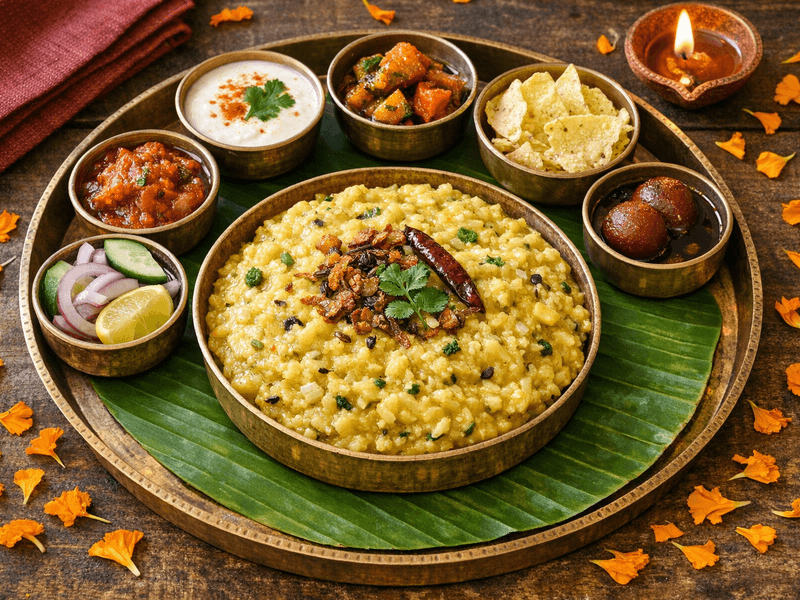
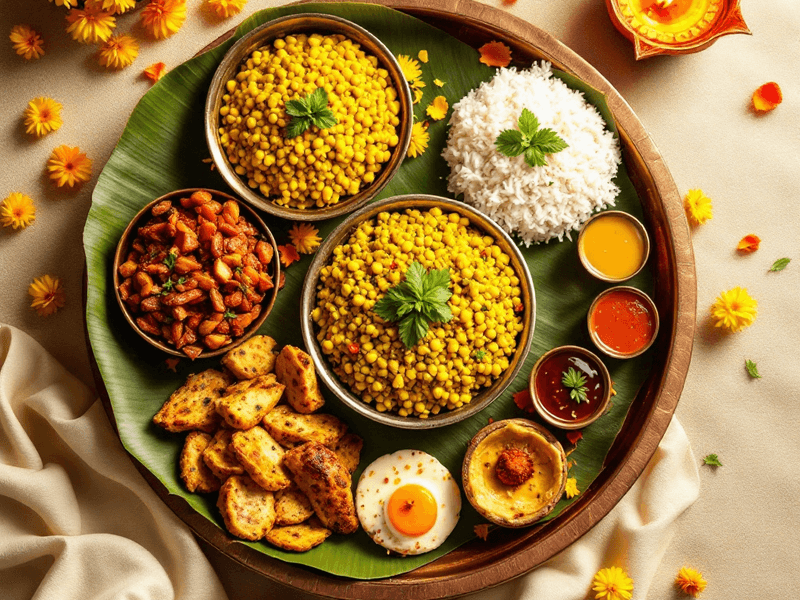
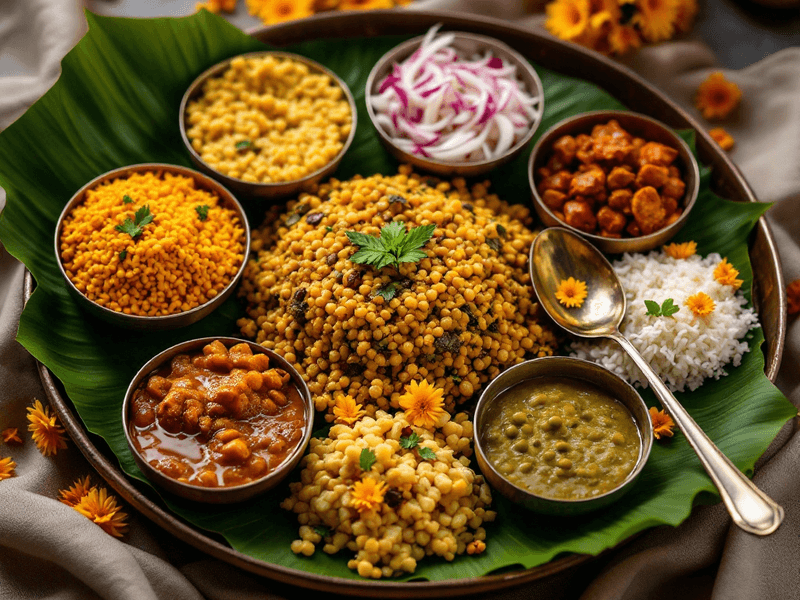
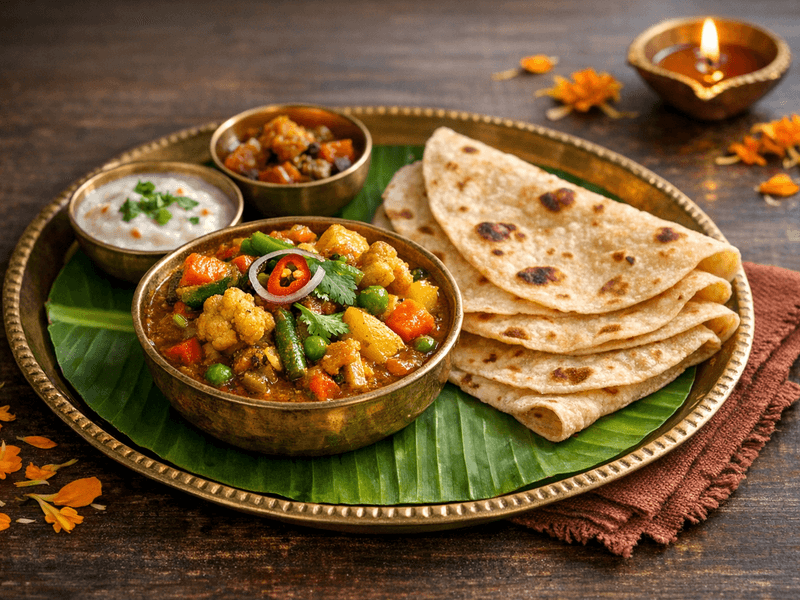
Boiled Oats, or 'Uble Hue Oats', have found a beloved place in Indian kitchens due to their simplicity, nutritional value, and adaptability to Indian flavors. Oats, though not natively Indian, have become an integral part of contemporary Indian diets, particularly among health-conscious families and working professionals. The natural nuttiness of oats blends beautifully with Indian spices like jeera (cumin), haldi (turmeric), and hari mirch (green chili), creating a wholesome meal that's both comforting and nourishing. This dish is especially popular for lunch, as it provides sustained energy and keeps you satiated for long hours. Its lightness makes it suitable for the hot Indian afternoons, while its warmth offers comfort during the monsoon or winter seasons. Boiled oats can be spiced up with seasonal veggies, making it an excellent way to utilize local, fresh produce. Whether served plain or garnished with fresh dhania (coriander), it appeals to all age groups and dietary requirements. In Indian households, oats have become a go-to grain for those following a vegetarian or vegan diet, and their ease of preparation makes them perfect for busy weekdays or fasting days (vrat). The recipe can be tailored for festivals like Navratri by omitting onion and garlic, and using sendha namak (rock salt).
Ingredients(for 1 medium katori per person)
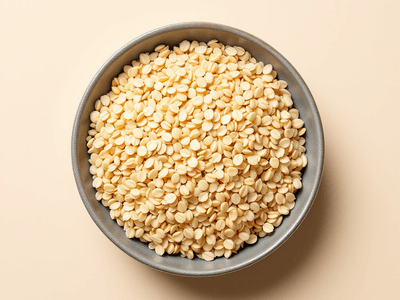
- 1 cup Rolled oats (Jav oats (rolled preferred for texture))
- 2.5 cups Water (Pani)
- 1 small Carrot (Grated (gajar))
- 1/4 cup Green peas (Matar, fresh or frozen)
- 1 small Onion (Finely chopped (pyaz))
- 1 Green chili (Finely chopped (hari mirch)) - optional
- 1/2 tsp Cumin seeds (Jeera)
- 1/4 tsp Turmeric powder (Haldi)
- to taste Salt (Namak)
- 1/4 tsp Black pepper powder (Kali mirch)
- 1 tsp Ghee or oil (Desi ghee preferred; use oil for vegan)
- 2 tbsp Fresh coriander leaves (Finely chopped (dhania))
Instructions
- 1
Heat ghee or oil in a heavy-bottomed pan (kadhai) on medium flame. Add cumin seeds (jeera) and let them splutter for a few seconds.
2 minutes
Don’t overheat; burnt jeera gives a bitter taste.
- 2
Add chopped onion and green chili. Sauté until onions turn translucent.
3 minutes
For vrat or fasting, skip onions and use sendha namak.
- 3
Add grated carrot and green peas. Stir and sauté till the vegetables soften slightly.
4 minutes
Use seasonal veggies like beans or capsicum for added nutrition.
- 4
Sprinkle turmeric powder (haldi), black pepper, and salt. Mix well and sauté for another minute.
1 minute
Haldi adds color and anti-inflammatory properties.
Why This Dish is Healthy
This boiled oats recipe is an excellent choice for those seeking weight management, stable energy, and improved digestion. Oats have a low glycemic index, making them suitable for diabetics and those watching their blood sugar. The inclusion of seasonal vegetables increases the fiber and micronutrient content, making this a wholesome, filling meal without excess calories. It’s prepared with very little oil or ghee, ensuring a heart-friendly and light lunch option.
Boiled oats are a powerhouse of nutrition, offering a balanced mix of carbohydrates, plant protein, and dietary fiber. Oats are rich in beta-glucan, a soluble fiber that helps lower cholesterol and supports heart health. The vegetables add essential vitamins like vitamin A, C, and minerals such as potassium and magnesium. With minimal fat and no refined ingredients, this recipe keeps your calorie intake in check while boosting satiety. The use of haldi (turmeric) and jeera (cumin) enhances digestion and provides antioxidant benefits.
Pro Tips
- 💡Tip 1: Always roast oats for a minute to prevent stickiness.
- 💡Tip 2: For extra flavor, add ginger (adrak) or curry leaves (kadi patta) during tempering.
- 💡Tip 3: Use rolled oats over instant oats for better texture and nutrition.
Storage & Serving
Store leftover boiled oats in an airtight container in the refrigerator for up to 2 days. Reheat with a splash of water or milk before serving to restore creaminess.
Best served: Breakfast or Lunch
Nutrition Facts
| Nutrient | Per 100g |
|---|---|
| Energy | 150.0 kcal |
| Protein | 2.5 g |
| Carbohydrates | 12.0 g |
| Total Fat | 1.4 g |
| Fiber | 1.7 g |
| Sugars | 0.5 g |
| Iron | 0.9 mg |
| Calcium | 15.0 mg |
| Sodium | 2.0 mg |
| Potassium | 61.0 mg |
| Cholesterol | 0.0 mg |
| Vitamin A | 0.0 IU |
| Vitamin C | 0.0 mg |
| Magnesium | 26.0 mg |
| Zinc | 0.7 mg |
| Phosphorus | 77.0 mg |
| Vitamin D | 0.0 IU |
| Vitamin B1 (Thiamine) | 0.1 mg |
| Vitamin B2 (Riboflavin) | 0.0 mg |
| Vitamin B3 (Niacin) | 0.3 mg |
| Vitamin B6 | 0.0 mg |
| Vitamin B12 | 0.0 µg |
| Folate | 14.0 µg |