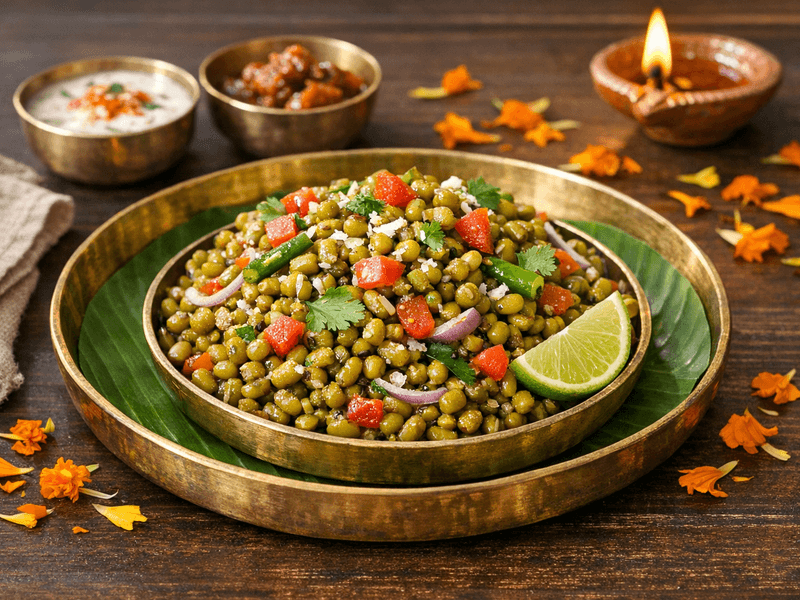
Boiled Green Gram
Lunch • India
How to Make Boiled Green Gram (Traditional & Healthy Version)
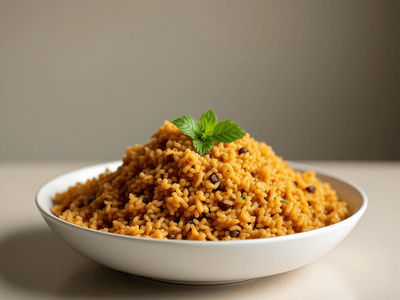
Boiled Green Gram, known locally as 'Pachai Payaru Sundal' in Tamil Nadu or 'Cherupayar' in Kerala, is a simple yet nutrient-rich dish rooted deeply in South Indian home cooking. This humble preparation highlights the natural flavor and texture of whole green gram (moong), often enjoyed as a light lunch or as part of festive meals, especially during Navaratri celebrations where sundal varieties are offered as prasadam. The dish offers a delightful balance between nutty, earthy flavors and gentle seasoning, making it a staple for those seeking a wholesome, plant-based protein source in their daily diet. A classic in vegetarian South Indian cuisine, Boiled Green Gram is cherished for its versatility—you can relish it plain, toss it with a tempering of coconut and curry leaves, or serve it with steamed rice and a drizzle of ghee for added richness. Its minimal use of oil and absence of heavy spices make it ideal for those on a calorie-conscious meal plan. Not only does this dish fit seamlessly into traditional thalis, but it also adapts beautifully to modern healthy eating habits. Rich in protein, dietary fiber, and vital minerals, Boiled Green Gram is a time-tested superfood that supports energy and satiety, making it an excellent choice for busy days and health-focused individuals alike.
Ingredients(for 1 medium bowl (approx. 150g cooked))
- 1 cup Whole green gram (moong / pachai payaru)
- 3 cups Water (for boiling)
- 1/2 tsp Salt (namak)
- 2 tbsp Fresh grated coconut (nariyal) - optional
- 1 tsp Coconut oil (nariyal tel) - optional
- 1/2 tsp Mustard seeds (rai) - optional
- 8-10 leaves Curry leaves (kadi patta) - optional
- 1, finely chopped Green chilli (hari mirch) - optional
- a pinch Asafoetida (hing) - optional
- 1 tsp Lemon juice (nimbu ras) - optional
Instructions
- 1
Rinse the whole green gram (moong) thoroughly under running water and soak it in enough water for at least 4-6 hours or overnight for best texture.
5 minutes
Soaking reduces cooking time and improves digestibility.
- 2
Drain the soaked green gram. Add it to a pressure cooker with 3 cups of fresh water and salt. Cook for 2 whistles or until the dals are soft yet retain their shape.
10 minutes
Do not overcook; the grains should remain whole and not mushy.
- 3
If using, heat coconut oil in a small pan (tadka pan). Add mustard seeds, let them splutter. Add chopped green chilli, curry leaves, and a pinch of hing. Sauté briefly.
2 minutes
Adding tempering (tadka) enhances aroma and flavor.
- 4
Pour the tempering over the cooked green gram. Gently mix to combine.
2 minutes
Mix gently to avoid mashing the grains.
Why This Dish is Healthy
This dish uses minimal oil, no refined ingredients, and is rich in complex carbohydrates and high-quality protein. The addition of coconut and curry leaves delivers healthy fats and essential phytonutrients. Being naturally gluten-free and easily digestible, Boiled Green Gram is ideal for weight management, diabetics, and those seeking balanced, nutritious meals.
Boiled Green Gram is a powerhouse of nutrition, packed with plant-based protein, dietary fiber, and micronutrients like magnesium, potassium, and folate. The dish is low in fat and cholesterol-free, making it heart-healthy. Green gram aids digestion, regulates blood sugar due to its low glycemic index, and provides sustained energy. It’s also an excellent source of antioxidants, which boost immunity and overall wellness.
Pro Tips
- 💡Tip 1: Use sprouted green gram for even higher nutritional value.
- 💡Tip 2: Do not overcook; intact grains provide better texture and appearance.
- 💡Tip 3: Add lemon juice only after cooling slightly to retain vitamin C.
Storage & Serving
Store any leftovers in an airtight container in the refrigerator for up to 2 days. Reheat gently before serving. Avoid freezing as the texture may change.
Best served: Breakfast or Lunch
Nutrition Facts
| Nutrient | Per 100g |
|---|---|
| Energy | 105.0 kcal |