Boiled Black Eyed Beans
Lunch • India
How to Make Boiled Black Eyed Beans (Traditional & Healthy Version)
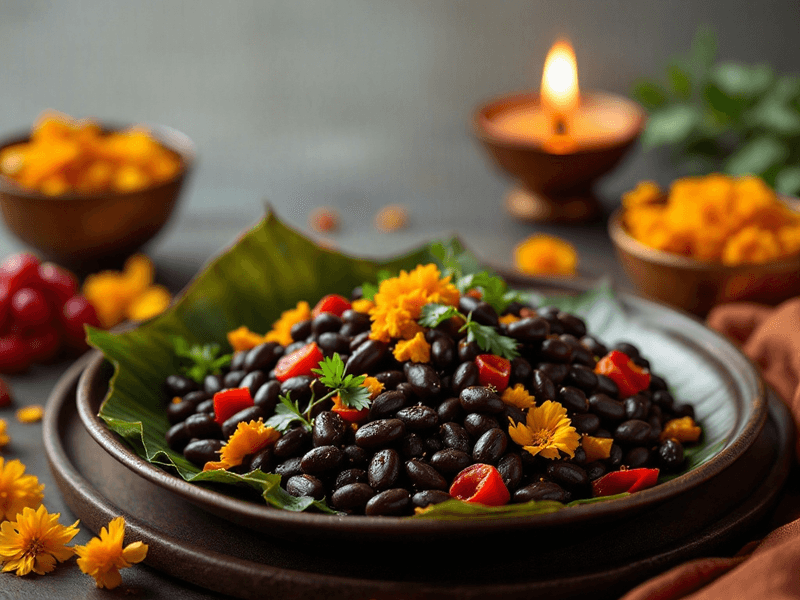
Boiled Black Eyed Beans, known as 'lobia' or 'rongi' in Hindi, are a simple yet nourishing dish cherished across Indian households. Hailing from North India but enjoyed pan-India, this dish is a staple lunch option, especially during summer months when light, protein-packed meals are preferred. The mild, earthy flavor of black eyed beans absorbs spices beautifully, making them versatile for various preparations, from simple boiled salads to hearty curries. In Indian cuisine, lobia is often cooked during festivals and fasting days (vrat) due to its high protein content and ease of digestion. Its subtle taste, when combined with a tempering (tadka) of cumin seeds (jeera), ginger (adrak), and green chilies, creates a comforting and wholesome meal. Paired with roti, rice, or enjoyed as a salad, boiled black eyed beans are both satisfying and health-conscious, making them an excellent choice for those looking to balance taste and nutrition. Whether you’re meal prepping for a busy week or aiming to enhance your vegetarian protein intake, this boiled lobia recipe is simple, requires minimal oil, and can be adapted for various dietary needs. It’s a wonderful way to celebrate Indian flavors and promote healthy eating habits.
Ingredients(for 1 medium bowl (about 200g per serving))
- 1 cup Black eyed beans (lobia) (soaked overnight)
- 3 cups Water (for boiling)
- 1 small Onion (finely chopped (pyaaz))
- 1 medium Tomato (finely chopped (tamatar))
- 1/2 inch Ginger (finely grated (adrak))
- 1 Green chili (finely chopped (hari mirch)) - optional
- 1/2 tsp Cumin seeds (jeera)
- 1/4 tsp Turmeric powder (haldi)
- to taste Salt (namak)
- 2 tbsp Fresh coriander leaves (finely chopped (dhaniya patta))
- 1 tsp Oil (preferably cold-pressed mustard or groundnut oil)
Instructions
- 1
Rinse lobia thoroughly and soak in water overnight or for at least 6 hours for better digestion and faster cooking.
5 minutes
Soaking reduces cooking time and improves nutrient absorption.
- 2
Drain and transfer soaked beans to a pressure cooker. Add 3 cups of water, turmeric, and a little salt.
2 minutes
Do not overfill the cooker; beans expand during cooking.
- 3
Pressure cook for 3-4 whistles on medium flame until beans are soft but not mushy. Let the pressure release naturally.
10 minutes
Check doneness by pressing a bean between fingers; it should mash easily.
- 4
In a separate kadhai, heat oil. Add cumin seeds and let them splutter. Add ginger and green chili, sauté until aromatic.
3 minutes
Use minimal oil for a lighter, healthier dish.
Why This Dish is Healthy
Boiled Black Eyed Beans are an excellent healthy lunch choice because they provide substantial protein and fiber, helping you stay full for longer and maintain muscle mass. The absence of heavy oils and the use of fresh spices make this recipe heart-friendly and easy to digest. With a low glycemic index, this dish supports steady energy levels and is suitable for those managing weight, diabetes, or seeking a balanced vegetarian meal.
Black eyed beans are a powerhouse of nutrition, offering high plant-based protein, complex carbohydrates, and dietary fiber. They are naturally low in fat, cholesterol-free, and rich in micronutrients like folate, iron, potassium, magnesium, and B vitamins. The addition of turmeric (haldi) and ginger (adrak) brings anti-inflammatory and digestive benefits. This dish supports heart health, aids in stable blood sugar, and promotes satiety, making it ideal for weight management and diabetic diets.
Pro Tips
- 💡Tip 1: Always soak lobia to improve digestibility and reduce cooking time.
- 💡Tip 2: Add a pinch of asafoetida (hing) to the tadka for better flavor and digestion (skip for gluten-free).
- 💡Tip 3: For a salad version, mix boiled beans with cucumber, carrot, and lemon juice.
Storage & Serving
Store leftover boiled beans in an airtight container in the refrigerator for up to 3 days. Reheat with a splash of water on the stove or microwave before serving. Avoid freezing for best texture.
Best served: Breakfast or Lunch
Nutrition Facts
| Nutrient | Per 100g |
|---|---|
| Energy | 120.0 kcal |