Boiled Beetroot
Lunch • India
How to Make Boiled Beetroot (Traditional & Healthy Version)
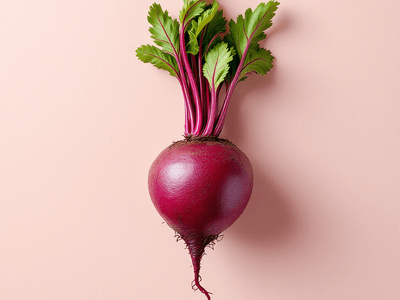
Boiled Beetroot, known as 'Chukandar' in Hindi, is a simple yet highly nutritious dish commonly enjoyed across India. Its vibrant color and subtly sweet, earthy flavor make it a delightful addition to any lunch thali. In many Indian households, boiled beetroot is served as a salad, tossed with a sprinkle of kala namak (black salt), lemon juice, and fresh coriander, offering a refreshing contrast to spicy curries and dals. This wholesome dish is ideal for health-conscious individuals looking to add more vegetables to their diet without compromising on taste or traditional values. Beetroot has long been part of Indian cuisine, especially during the summer and monsoon months. Whether prepared for daily meals or as part of festive spreads like Navratri, boiled beetroot is loved for its simplicity and remarkable health benefits. Its rich ruby hue not only adds visual appeal to the plate but also signifies its nutrient density. Easy to prepare, requiring minimal spices and oil, boiled beetroot fits perfectly into modern Indian kitchens that celebrate both heritage and wellness.
Ingredients(for 1 medium bowl (about 100g per serving))
- 2 medium (about 250g) Fresh beetroot (chukandar) (choose firm, unblemished roots)
- 4 cups Water (for boiling)
- 1 tablespoon Lemon juice (nimbu ras) (freshly squeezed)
- 1/2 teaspoon Kala namak (black salt) (optional, for authentic Indian flavor)
- 2 tablespoons Fresh coriander leaves (dhaniya) (finely chopped) - optional
- 1 small Green chili (finely chopped, optional for spice) - optional
- 1/4 teaspoon Roasted cumin powder (jeera) (for aroma) - optional
- 1/4 teaspoon Black pepper powder (freshly ground) - optional
- 1 teaspoon Extra virgin olive oil or cold-pressed mustard oil (optional, for richness) - optional
Instructions
- 1
Wash the beetroots thoroughly under running water to remove any dirt. Trim the tops and roots, but do not peel them at this stage to retain color and nutrients.
5 minutes
Scrub gently; peeling after boiling is easier and preserves nutrients.
- 2
Place the whole beetroots in a pressure cooker or deep saucepan. Add enough water to cover them completely.
2 minutes
Use a pressure cooker for faster cooking; otherwise, a covered pan works well.
- 3
Boil the beetroots for 3-4 whistles on medium flame in a pressure cooker, or for 20-25 minutes in a covered saucepan, until they are fork-tender.
20 minutes
Insert a fork to check doneness; it should slide in easily.
- 4
Allow the beetroots to cool slightly. Peel the skin off by rubbing gently with your fingers. Cut into cubes, slices, or juliennes as preferred.
5 minutes
Wear gloves to avoid staining your hands, or use the back of a spoon to peel.
Why This Dish is Healthy
This boiled beetroot recipe is a healthy choice as it involves minimal cooking, no frying, and retains the maximum nutrients of the vegetable. Using natural flavor enhancers like lemon juice, kala namak, and coriander ensures rich taste without unnecessary calories. The dish supports heart health, helps manage blood pressure, and boosts immunity, making it ideal for anyone pursuing a wholesome Indian diet.
Beetroot is low in calories and packed with essential nutrients like dietary fiber, folate (Vitamin B9), manganese, potassium, iron, and Vitamin C. It is an excellent source of natural antioxidants, especially betalains, which support liver detoxification and reduce inflammation. The fiber aids digestion and promotes satiety, making it a great addition to weight management diets. Minimal seasoning and absence of added sugars or fats keep the dish light, heart-healthy, and diabetic-friendly.
Pro Tips
- 💡Tip 1: Always boil beetroots with the skin on to preserve their nutrients and color.
- 💡Tip 2: For extra crunch, add finely chopped cucumber or onions before serving.
- 💡Tip 3: Use a stainless steel knife to avoid beetroot stains on your utensils.
Storage & Serving
Store boiled, peeled beetroot in an airtight container in the refrigerator for up to 3 days. Garnish and season just before serving to maintain freshness and flavor.
Best served: Breakfast or Lunch
Nutrition Facts
| Nutrient | Per 100g |
|---|---|
| Energy | 44.0 kcal |
| Protein | 1.0 g |
| Carbohydrates | 10.0 g |
| Total Fat | 0.0 g |
| Fiber | 2.0 g |
| Sugars | 6.8 g |
| Sodium | 78.0 mg |
| Potassium | 325.0 mg |
| Cholesterol | 0.0 mg |
| Vitamin A | 2.0 IU |
| Vitamin C | 4.9 mg |
| Calcium | 16.0 mg |
| Iron | 0.8 mg |
| Magnesium | 23.0 mg |
| Zinc | 0.4 mg |
| Phosphorus | 40.0 mg |
| Vitamin D | 0.0 IU |
| Vitamin B1 (Thiamine) | 0.0 mg |
| Vitamin B2 (Riboflavin) | 0.0 mg |
| Vitamin B3 (Niacin) | 0.3 mg |
| Vitamin B6 | 0.1 mg |
| Vitamin B12 | 0.0 µg |
| Folate | 80.0 µg |