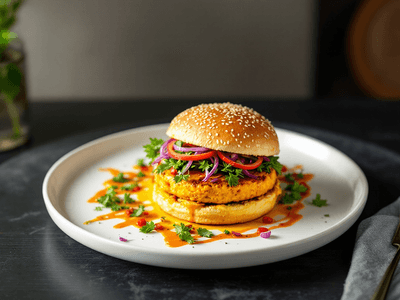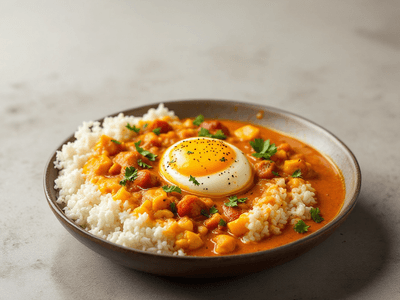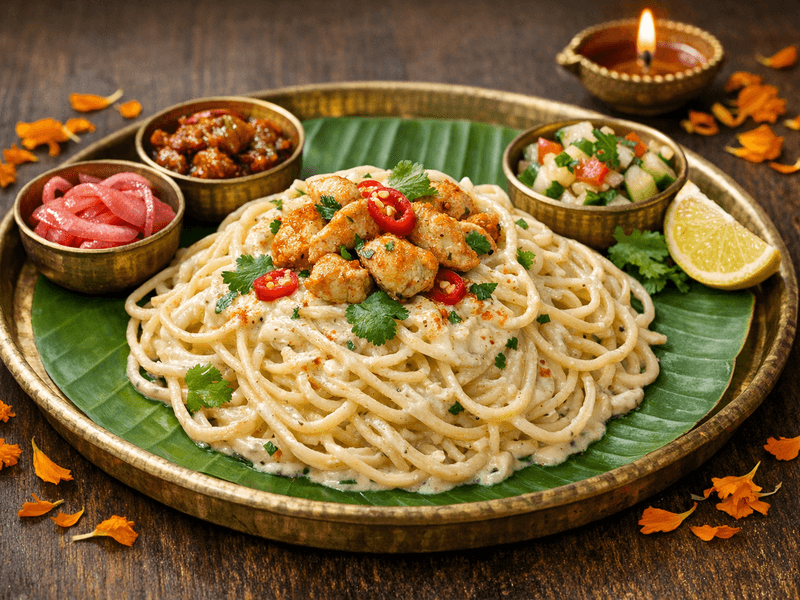
Bisibe
Lunch • India
How to Make Bisibe (Traditional & Healthy Version)
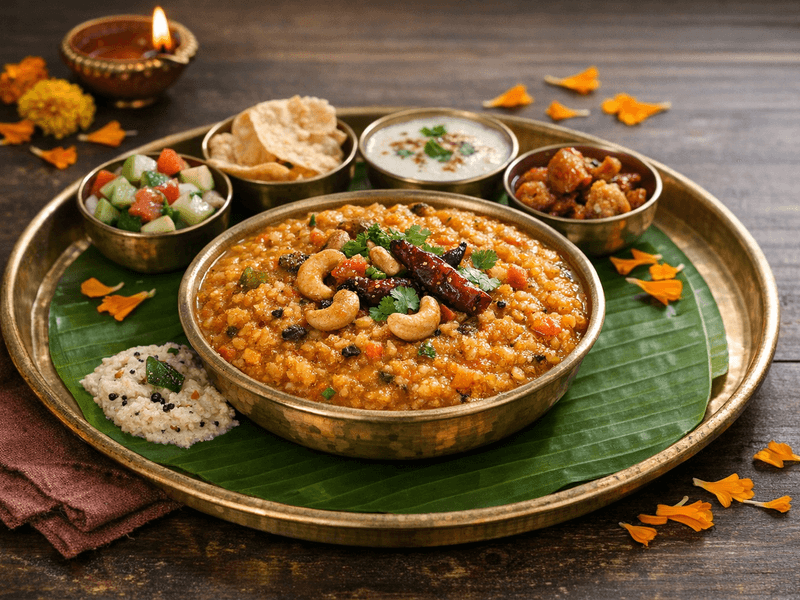
Bisibe, more traditionally known as Bisi Bele Bath, is a classic Karnataka delicacy that translates to 'hot lentil rice' in Kannada. This wholesome, one-pot meal is a staple in South Indian households, especially during festivals and special occasions. Bisi Bele Bath combines cooked rice, protein-rich toor dal (split pigeon peas), an assortment of seasonal vegetables, and a fragrant spice blend called Bisi Bele Bath powder, all simmered together to create a hearty, nutritious meal. The dish offers a comforting blend of textures and flavors, with the tang of tamarind and the warmth of freshly ground spices. Traditionally enjoyed for lunch, Bisibe is often served piping hot, garnished with a drizzle of ghee and a side of crisp papad or boondi. Its roots in Karnataka cuisine make it a beloved choice for Ugadi, weddings, and family gatherings, but its popularity has spread across India, earning it a cherished spot on vegetarian menus everywhere. The health-conscious version of Bisibe prepared here uses minimal oil and plenty of vegetables, making it ideal for calorie trackers and those seeking balanced nutrition without sacrificing authentic taste.
Ingredients(for 1 medium bowl (approx. 300g))
- 1/2 cup Rice (short-grain or sona masuri)
- 1/3 cup Toor dal (split pigeon peas)
- 1/2 cup Carrot (diced)
- 1/4 cup Beans (chopped (french beans))
- 1/4 cup Green peas (fresh or frozen) - optional
- 1/4 cup Drumstick (cut into 2" pieces) - optional
- 2 tbsp Tamarind pulp (imli)
- 1.5 tbsp Bisi Bele Bath powder (homemade or store-bought)
- 1/4 tsp Turmeric powder (haldi)
- to taste Salt
- 1 tbsp Ghee (clarified butter) - optional
- 1/2 tsp Mustard seeds (rai)
- 8-10 Curry leaves (kadi patta)
- a pinch Asafoetida (hing) - optional
- 6-8 Cashew nuts (kaju, lightly roasted) - optional
Instructions
- 1
Wash rice and toor dal together thoroughly. Soak for 15 minutes for faster cooking.
5 minutes
Soaking helps reduce cooking time and improves texture.
- 2
In a pressure cooker, add soaked rice and dal with 2.5 cups water, turmeric, and a pinch of salt. Cook for 3 whistles on medium heat.
10 minutes
Let the pressure release naturally for softer grains.
- 3
Boil the carrots, beans, peas, and drumstick with a pinch of salt until just tender. Drain and set aside.
7 minutes
Do not overcook vegetables; they should retain slight crunch.
- 4
In a large kadhai, heat ghee. Add mustard seeds, let them splutter. Add curry leaves, asafoetida, and cashew nuts; sauté until cashews turn golden.
2 minutes
Use minimal ghee for tempering to keep dish light.
Why This Dish is Healthy
This healthy Bisibe recipe uses less ghee, a variety of fiber-rich vegetables, and moderate amounts of rice for satiety and sustained energy. It's naturally gluten-free if made without asafoetida, and high in protein and antioxidants. The one-pot cooking method retains nutrients, and the dish is low in unhealthy fats, making it perfect for weight watchers and those seeking a nourishing vegetarian meal.
Bisibe is loaded with plant-based protein from toor dal, dietary fiber from vegetables, and complex carbohydrates from rice. The inclusion of vegetables like carrots, beans, and peas boosts the vitamin A, vitamin C, and mineral content, supporting immunity and digestion. Minimal use of ghee and oil ensures lower saturated fat, while spices like turmeric and asafoetida aid in anti-inflammatory benefits. Each serving provides a wholesome balance of macros and micronutrients, making it a great choice for a healthy Indian lunch.
Pro Tips
- 💡Tip 1: Use homemade Bisi Bele Bath powder for the most authentic flavor.
- 💡Tip 2: Add a small piece of jaggery for a traditional touch and balanced taste.
- 💡Tip 3: For meal prep, cook rice, dal, and vegetables separately and combine fresh before serving.
Storage & Serving
Store leftover Bisibe in an airtight container in the refrigerator for up to 2 days. Reheat with a splash of water on low flame to restore its creamy consistency.
Best served: Lunch
Nutrition Facts
| Nutrient | Per 100g |
|---|---|
| Energy | 250.0 kcal |