Bhindi Sabji
Lunch • India
How to Make Bhindi Sabji (Traditional & Healthy Version)
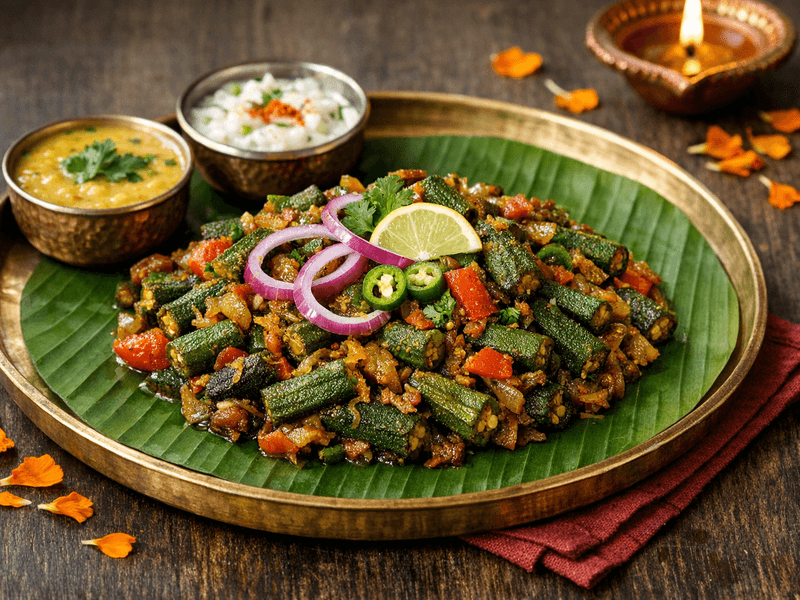
Bhindi Sabji, also known as Bhindi ki Subzi or Okra Stir Fry, is a classic North Indian vegetarian dish that is cherished across households for its simplicity, nutritional value, and vibrant flavors. The main ingredient, bhindi (okra), is a widely loved vegetable in India, especially during the summer months when it is abundantly available. Prepared without excessive oil or heavy masalas, this healthy recipe brings out the natural earthy taste of bhindi, complemented by subtle spices that are staples in Indian kitchens. Bhindi Sabji is a versatile dish often enjoyed for lunch with roti (atta flatbread) or steamed rice. Its roots can be traced to the Punjab and Uttar Pradesh regions, where families traditionally make it for daily meals as well as during festivals like Navratri, when pure vegetarian food is preferred. The dish offers a delightful combination of crunchiness and soft textures, making it appealing even to those who are not fond of okra. It stands out for its ease of preparation and adaptability, making it a go-to for busy weekdays and festive occasions alike. The use of minimal oil and fresh spices ensures that Bhindi Sabji remains a healthy and flavorful choice, suitable for calorie-conscious individuals and those seeking wholesome Indian lunch recipes.
Ingredients(for 1 medium bowl per person)
- 250 grams Bhindi (Okra) (fresh, tender)
- 1 medium Onion (finely sliced, 'pyaz')
- 1 small Tomato (chopped, 'tamatar')
- 1 tablespoon Mustard oil (can use olive oil for lighter version)
- 1/2 teaspoon Cumin seeds ('jeera')
- 1/4 teaspoon Turmeric powder ('haldi')
- 1/4 teaspoon Red chili powder ('lal mirch')
- 1/2 teaspoon Coriander powder ('dhania')
- to taste Salt ('namak')
- 1/4 teaspoon Amchur powder (dry mango powder, optional for tanginess) - optional
- 1 Green chili (slit, 'hari mirch', optional for extra heat) - optional
Instructions
- 1
Rinse bhindi thoroughly and pat dry with a cloth. Cut into 1-inch pieces, ensuring no moisture remains.
5 minutes
Dry bhindi well to prevent sliminess during cooking.
- 2
Heat mustard oil in a tawa or kadhai over medium flame. Add cumin seeds and let them splutter.
2 minutes
Mustard oil gives authentic flavor, but can use refined oil for lighter taste.
- 3
Add sliced onions and sauté till translucent. Add green chili if using.
3 minutes
Do not brown the onions; they should remain soft.
- 4
Add the bhindi pieces and stir gently. Cook uncovered for 5-7 minutes, stirring occasionally.
7 minutes
Do not cover; covering may increase sliminess.
Why This Dish is Healthy
This dish is a healthy choice because it utilizes fresh vegetables, minimal oil, and natural spices. Bhindi is low in calories and supports weight management. The recipe avoids deep frying and heavy gravies, preserving the nutrients. Its simple preparation makes it ideal for daily consumption and suitable for diabetic and weight loss diets.
Bhindi Sabji is packed with dietary fiber, which aids digestion and promotes satiety. Bhindi is rich in vitamin C, vitamin K, and folate, supporting immune health and bone strength. The use of minimal oil keeps the fat content low, making it suitable for those watching their caloric intake. The addition of onions and tomatoes provides antioxidants and essential minerals. This vegetarian dish offers moderate protein, complex carbohydrates, and is naturally gluten-free and low in cholesterol.
Pro Tips
- 💡Tip 1: Dry bhindi fully before cutting to prevent sliminess.
- 💡Tip 2: Cook on medium-high flame and do not cover to keep bhindi crisp.
- 💡Tip 3: Add tomatoes towards the end to maintain texture and avoid excess moisture.
Storage & Serving
Store leftover Bhindi Sabji in an airtight container in the refrigerator for up to 2 days. Reheat on a tawa or in a microwave before serving. Avoid freezing as bhindi may lose its texture.
Best served: Lunch
Nutrition Facts
| Nutrient | Per 100g |
|---|---|
| Energy | 120.0 kcal |
| Protein | 2.1 g |
| Carbohydrates | 7.8 g |
| Total Fat | 4.2 g |
| Fiber | 3.4 g |
| Sugars | 2.2 g |
| Iron | 0.7 mg |
| Calcium | 72.0 mg |
| Sodium | 240.0 mg |
| Potassium | 210.0 mg |
| Cholesterol | 0.0 mg |
| Vitamin A | 420.0 IU |
| Vitamin C | 18.0 mg |
| Magnesium | 48.0 mg |
| Zinc | 0.3 mg |
| Phosphorus | 54.0 mg |
| Vitamin D | 0.0 IU |
| Vitamin B1 (Thiamine) | 0.1 mg |
| Vitamin B2 (Riboflavin) | 0.0 mg |
| Vitamin B3 (Niacin) | 0.7 mg |
| Vitamin B6 | 0.1 mg |
| Vitamin B12 | 0.0 µg |
| Folate | 44.0 µg |