Bateta Pauva
Lunch • India
How to Make Bateta Pauva (Traditional & Healthy Version)
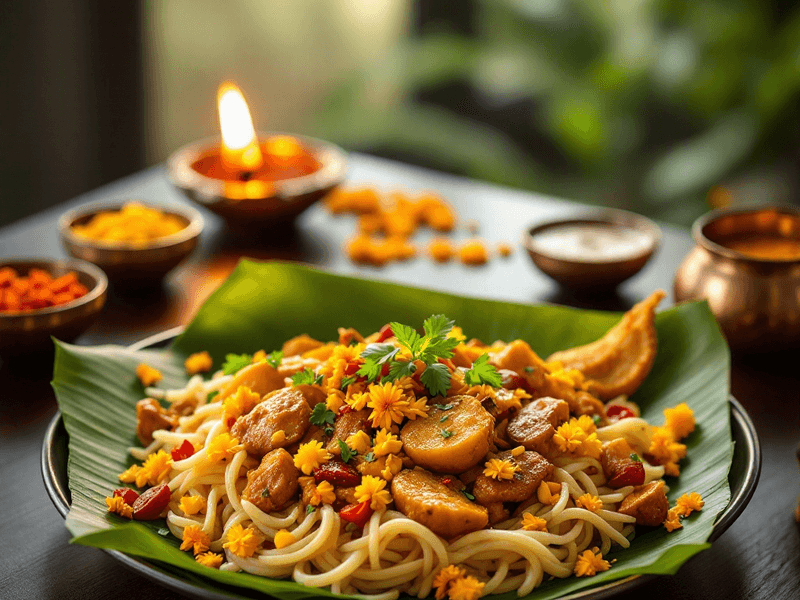
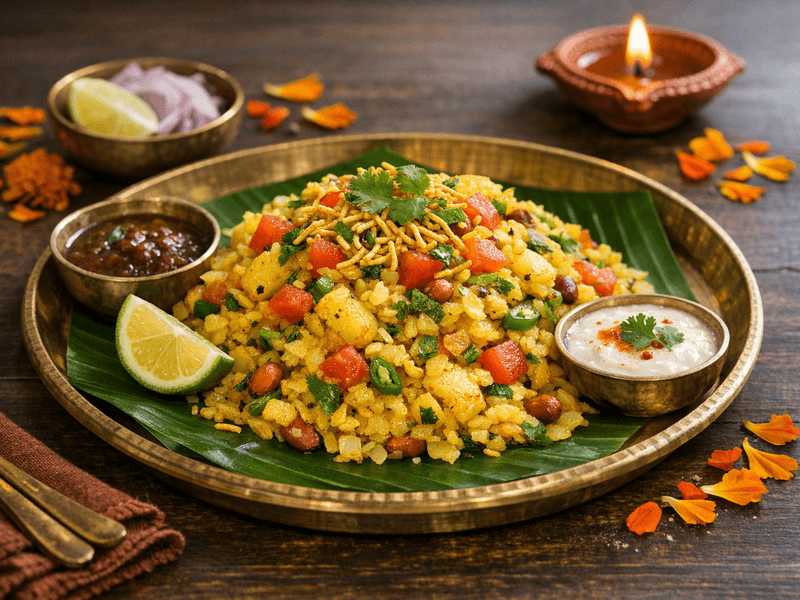
Bateta Pauva is a beloved Gujarati snack and lunch item that beautifully captures the essence of India’s regional cuisine. Originating from Gujarat, this vegetarian dish combines flattened rice (poha or pauva) with boiled potatoes (bateta), onions, green chilies, and a blend of aromatic spices. With its comforting, mild flavors and subtle tanginess from lemon juice, Bateta Pauva is a staple in Gujarati households, frequently enjoyed during festivals like Diwali and Navratri. Its simplicity and versatility make it a favorite for both everyday meals and special occasions, offering a quick, nutritious option that appeals to all age groups. Bateta Pauva is traditionally served as a light lunch or hearty breakfast, often accompanied by chai or buttermilk. Its vibrant taste, featuring earthy potatoes and the gentle heat of green chilies, is balanced by the crunch of peanuts and freshness of coriander. The dish is easy to prepare and requires minimal cooking, making it perfect for busy families or anyone seeking a wholesome, flavorful Indian meal. Choosing Bateta Pauva means embracing Gujarat’s culinary heritage, where every bite tells the story of local flavors, festival gatherings, and home-cooked comfort.
Ingredients(for 1 medium bowl per serving)
- 1 cup Pauva (flattened rice/poha) (medium-thick variety)
- 2 medium Bateta (potatoes) (boiled and diced)
- 1 small Onion (finely chopped)
- 2 tbsp Peanuts (roasted) - optional
- 2 Green chillies (chopped)
- 8-10 Curry leaves (kadi patta)
- 1/2 tsp Mustard seeds (rai)
- 1/2 tsp Turmeric powder (haldi)
- to taste Salt (namak)
- 1/2 tsp Sugar (optional, for subtle sweetness) - optional
- 1 tbsp Lemon juice (freshly squeezed)
- 2 tbsp Coriander leaves (hari dhania, chopped)
- 1 tbsp Oil (preferably groundnut or sunflower oil)
Instructions
- 1
Rinse pauva (flattened rice) in a colander under running water until soft. Let it drain completely and rest for 5 minutes.
5 minutes
Don’t over-soak pauva to avoid mushy texture.
- 2
Heat oil in a kadhai (pan) on medium flame. Add mustard seeds and let them crackle. Add curry leaves and chopped green chillies, sauté for 2 minutes.
2 minutes
Add chillies according to your spice preference.
- 3
Add chopped onions and sauté until translucent. Add roasted peanuts for crunch and extra flavor.
3 minutes
For nut allergies, skip peanuts.
- 4
Add boiled, diced bateta (potatoes) and turmeric powder. Mix well and cook for 3 minutes until potatoes absorb the flavors.
3 minutes
Use freshly boiled potatoes for best results.
Why This Dish is Healthy
Bateta Pauva is a healthy choice for lunch as it is naturally low in calories, high in fiber, and packed with plant-based nutrients. The moderate use of oil and the inclusion of boiled potatoes instead of fried ones make it suitable for weight management. The dish is gluten-free when made with pure pauva and contains no animal products, making it vegan-friendly. Its balanced macros support energy levels and keep you feeling full for longer.
Bateta Pauva is a nutrient-rich dish, combining complex carbohydrates from pauva and potatoes, healthy fats from peanuts, and vitamins from vegetables and lemon juice. It offers dietary fiber for digestive health and provides essential minerals like potassium, magnesium, and iron. Peanuts add plant-based protein, while curry leaves and coriander are rich in antioxidants and micronutrients. The minimal use of oil and absence of deep frying make this dish lower in saturated fat, ideal for heart health.
Pro Tips
- 💡Tip 1: Use medium-thick pauva for best texture; thin poha can turn mushy.
- 💡Tip 2: Add lemon juice only after cooking to retain its fresh flavor.
- 💡Tip 3: Garnish with extra coriander for an aromatic touch and added nutrients.
Storage & Serving
Store Bateta Pauva in an airtight container in the refrigerator for up to 24 hours. Reheat gently in a pan or microwave before serving. Avoid freezing, as the pauva may lose texture.
Best served: Breakfast or Lunch
Nutrition Facts
| Nutrient | Per 100g |
|---|---|
| Energy | 220.0 kcal |
| Protein | 3.2 g |
| Carbohydrates | 28.5 g |
| Total Fat | 4.5 g |
| Fiber | 2.1 g |
| Sugars | 1.2 g |
| Iron | 1.1 mg |
| Calcium | 16.0 mg |