Avarakai Poriyal
Lunch • India
How to Make Avarakai Poriyal (Traditional & Healthy Version)
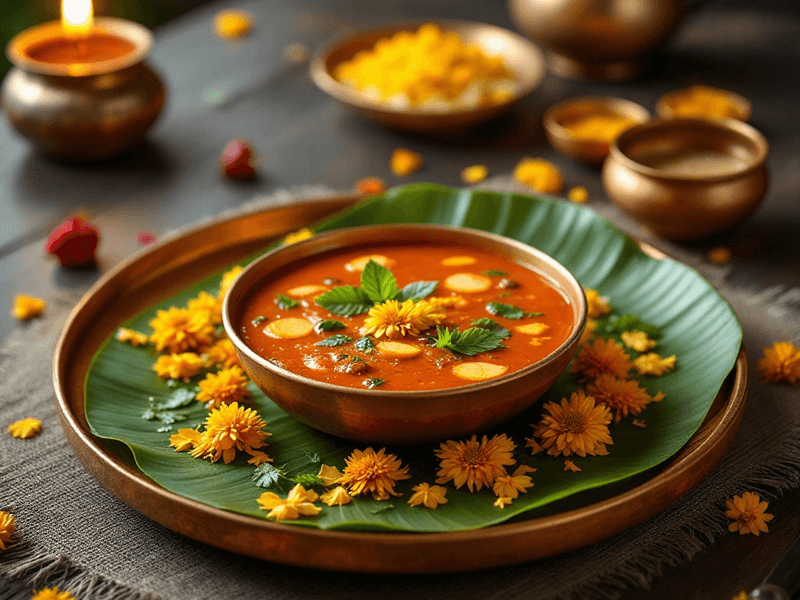
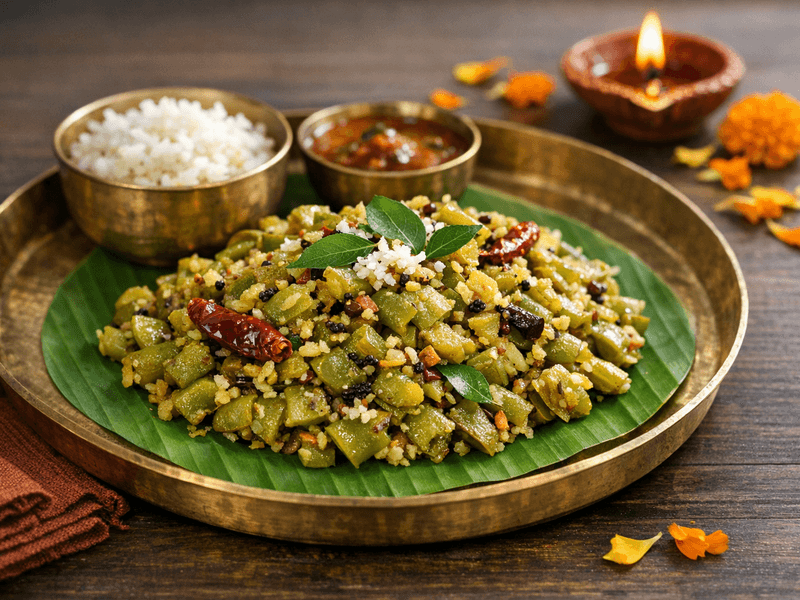
Avarakai Poriyal is a classic South Indian side dish, deeply rooted in Tamil Nadu cuisine. Made with tender broad beans (avarakai), this stir-fry is a staple in many Tamil households, especially during the summer months when avarakai is in season. The dish is known for its light, fresh flavors and the subtle aroma of coconut, curry leaves, and mustard seeds. Traditionally enjoyed with steamed rice and sambar or rasam, Avarakai Poriyal is a perfect example of how simple, locally sourced vegetables are transformed into nutritious meals in Indian kitchens. This vegetarian recipe is a great choice for those looking to include more fiber-rich vegetables in their diet without compromising on taste. Its minimal use of oil and fresh coconut makes it a lighter, health-conscious preparation. Avarakai Poriyal is often prepared during festivals like Pongal and Tamil New Year, where an array of vegetable stir-fries (poriyals) are served as part of a festive thali. Whether for a weekday lunch or a festive meal, this poriyal stands out for its taste, vibrant color, and cultural significance in South India.
Ingredients(for 1 bowl (approx. 150g cooked poriyal))
- 2 cups Avarakai (broad beans) (chopped, also called sem ki phalli)
- 2 tablespoons Fresh grated coconut (nariyal)
- 1 teaspoon Oil (preferably coconut or groundnut oil)
- 1/2 teaspoon Mustard seeds (rai)
- 1 teaspoon Urad dal (split black gram)
- 1 Dry red chilli (broken)
- 8-10 Curry leaves (kadi patta)
- 1/4 teaspoon Turmeric powder (haldi)
- to taste Salt
- a pinch Asafoetida (hing) - optional
Instructions
- 1
Wash and chop the avarakai (broad beans) into small pieces. Discard the tough ends and strings.
5 minutes
Use young, tender beans for best texture.
- 2
Heat oil in a kadhai or heavy-bottomed pan on medium flame. Add mustard seeds and let them splutter.
2 minutes
Wait for the mustard seeds to pop for authentic flavor.
- 3
Add urad dal, dry red chilli, and curry leaves. Sauté until the dal turns golden brown.
2 minutes
Keep stirring to avoid burning the dal.
- 4
Add chopped avarakai, turmeric powder, asafoetida, and salt. Mix well.
2 minutes
Sprinkle water if needed to prevent sticking.
Why This Dish is Healthy
This Avarakai Poriyal recipe is a healthy choice because it uses fresh, seasonal vegetables, minimal oil, and no heavy spices or cream. It is rich in fiber, helping with satiety and weight management, and the addition of coconut gives healthy fats without excess calories. Its balanced macronutrient profile makes it suitable for various dietary needs, including weight loss and diabetes management.
Avarakai Poriyal is low in calories and packed with dietary fiber, making it excellent for digestion and gut health. Broad beans are a good source of plant-based protein, B-vitamins, iron, magnesium, and potassium. The use of minimal oil and the addition of fresh coconut provide healthy fats and micronutrients. The tempering with mustard seeds and curry leaves adds antioxidants, while turmeric offers anti-inflammatory benefits. This dish is naturally gluten-free and can be easily adapted for vegan diets.
Pro Tips
- 💡Tip 1: Select young, flat avarakai pods for best flavor and texture.
- 💡Tip 2: Do not overcook the beans—retain a slight crunch for authentic taste.
- 💡Tip 3: Add coconut at the end and avoid cooking it for too long to preserve its freshness.
Storage & Serving
Store leftover Avarakai Poriyal in an airtight container in the refrigerator for up to 2 days. Reheat in a pan or microwave before serving. Avoid freezing, as the texture of the beans may become mushy.
Best served: Lunch
Nutrition Facts
| Nutrient | Per 100g |
|---|---|
| Energy | 120.0 kcal |
| Protein | 2.2 g |
| Carbohydrates | 7.5 g |
| Total Fat | 2.1 g |
| Fiber | 3.8 g |
| Sugars | 2.4 g |
| Iron | 1.1 mg |
| Calcium | 54.0 mg |
| Sodium | 320.0 mg |
| Potassium | 210.0 mg |
| Cholesterol | 0.0 mg |
| Vitamin A | 310.0 IU |
| Vitamin C | 25.0 mg |
| Magnesium | 32.0 mg |
| Zinc | 0.4 mg |
| Phosphorus | 48.0 mg |
| Vitamin D | 0.0 IU |
| Vitamin B1 (Thiamine) | 0.1 mg |
| Vitamin B2 (Riboflavin) | 0.1 mg |
| Vitamin B3 (Niacin) | 0.6 mg |
| Vitamin B6 | 0.1 mg |
| Vitamin B12 | 0.0 µg |
| Folate | 42.0 µg |