Assamese Mixed Vegetable Curry
Lunch • India
How to Make Assamese Mixed Vegetable Curry (Traditional & Healthy Version)
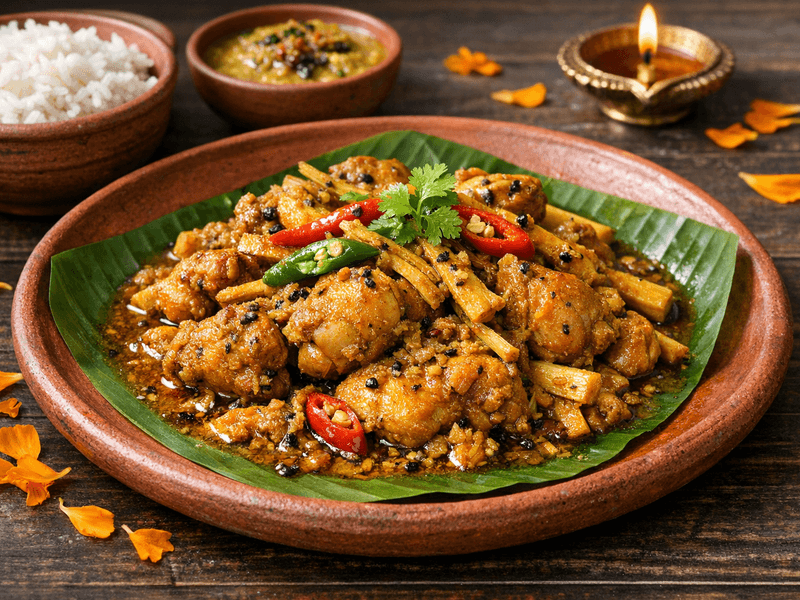
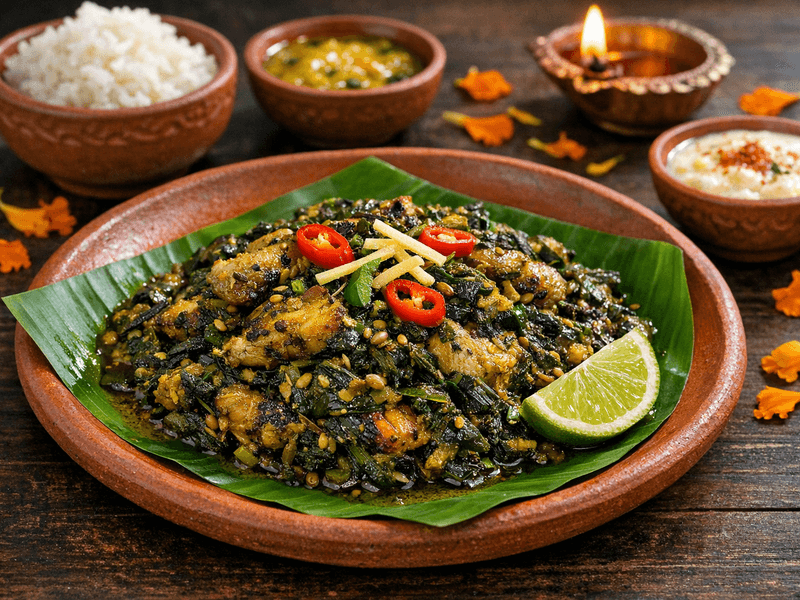
Assamese Mixed Vegetable Curry, locally known as 'Sobji Tenga', is a vibrant, wholesome dish from Assam in North East India. This curry beautifully showcases the region’s rich agricultural bounty, combining seasonal vegetables with subtle spices and the signature tang of lemon or elephant apple (ou tenga). The dish is traditionally prepared in Assamese households, especially during Bihu festival celebrations, when fresh garden produce is abundant. Its light, soupy texture and delicate flavors set it apart from heavier curries found elsewhere in India, making it perfect for a nourishing lunch. The curry relies on minimal oil and simple ingredients, reflecting the Assamese culinary philosophy of letting local vegetables shine. The gentle use of turmeric, ginger, and mustard oil brings out the natural sweetness and earthiness of the veggies while keeping the dish easy on the stomach. Whether paired with steaming hot rice or eaten as a stand-alone bowl, Assamese Mixed Vegetable Curry is a comforting, healthy way to enjoy the true taste of Assam. It is particularly favored for its digestibility and suitability for all age groups, embodying the essence of home-cooked Indian food.
Ingredients(for 1 medium bowl (approx. 250 ml))
- 2 cups Mixed seasonal vegetables (lauki, pumpkin, carrot, potato, brinjal) (chopped)
- 1 medium Tomato (cut into wedges)
- 8-10 Green beans (cut into 1-inch pieces)
- 1 tbsp Mustard oil (traditional Assamese oil)
- 1/2 tsp Panch phoron (Assamese five spice blend) (available in Indian stores)
- 1 inch Fresh ginger (grated)
- 1/2 tsp Turmeric powder (haldi)
- to taste Salt (namak)
- 1-2 Green chilies (slit, adjust to taste)
- 1 tbsp Lemon juice or ou tenga (elephant apple) (for tanginess)
- 2 tbsp Fresh coriander (chopped, dhaniya patta) - optional
Instructions
- 1
Rinse and chop all vegetables into bite-sized pieces. Keep them ready for cooking.
5 minutes
Cut vegetables evenly to ensure even cooking.
- 2
Heat mustard oil in a kadhai or deep pan until it just starts to smoke. Lower the heat and add panch phoron.
2 minutes
Let the spices sizzle to release their aroma but do not burn.
- 3
Add grated ginger and green chilies. Sauté for a minute until fragrant.
1 minute
Ginger adds warmth and aids digestion.
- 4
Add all chopped vegetables and tomato. Sprinkle turmeric and salt. Stir well to coat the veggies.
3 minutes
Mix gently to avoid mashing soft vegetables.
Why This Dish is Healthy
This dish is a healthy choice because it emphasizes seasonal vegetables, lean cooking methods, and gentle spices. It contains no refined ingredients, and the use of mustard oil in moderation supports cholesterol management. Being vegetarian, it suits a wide range of dietary needs and is ideal for those looking to increase vegetable intake and maintain a healthy weight.
Assamese Mixed Vegetable Curry is packed with dietary fiber, vitamins A and C, potassium, and antioxidants from a variety of local vegetables. The use of mustard oil adds omega-3 fatty acids and vitamin E, while turmeric and ginger have anti-inflammatory properties. With minimal oil and no heavy cream or butter, this curry is naturally low in calories and saturated fat, making it suitable for heart health and a balanced Indian diet.
Pro Tips
- 💡Tip 1: Always heat mustard oil till it smokes lightly to reduce its raw flavor.
- 💡Tip 2: Use as many locally available, seasonal vegetables as possible for best taste and nutrition.
- 💡Tip 3: Add a few curry leaves or a pinch of sugar for subtle flavor enhancement if desired.
Storage & Serving
Store leftover curry in an airtight container in the refrigerator for up to 2 days. Reheat gently on the stove, adding a splash of water if needed to restore consistency.
Best served: Lunch
Nutrition Facts
| Nutrient | Per 100g |
|---|---|
| Energy | 180.0 kcal |
| Protein | 2.0 g |
| Carbohydrates | 11.0 g |
| Total Fat | 2.0 g |
| Fiber | 3.0 g |