Assam Laksa
Lunch • India
How to Make Assam Laksa (Traditional & Healthy Version)
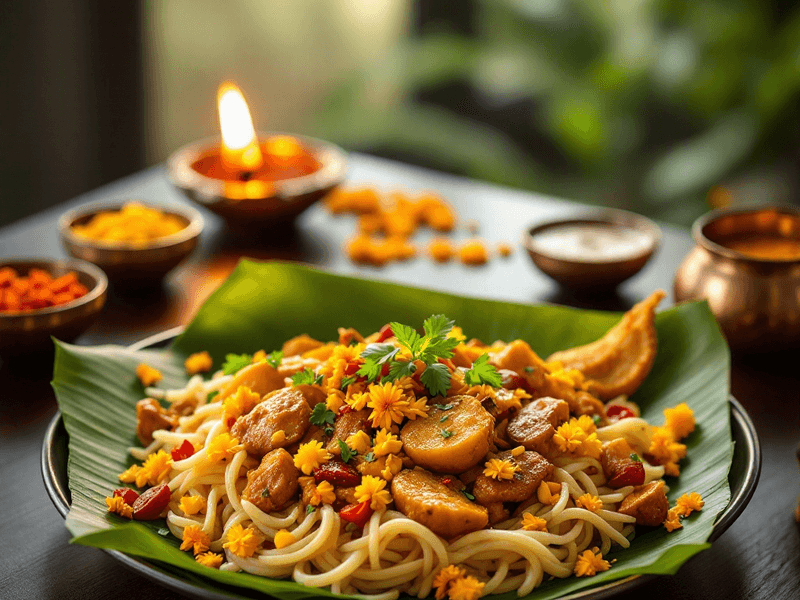
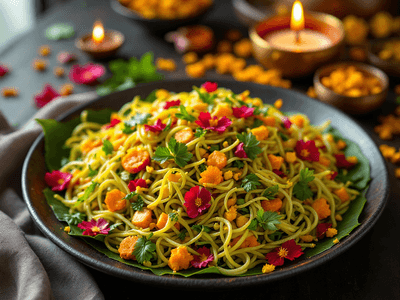
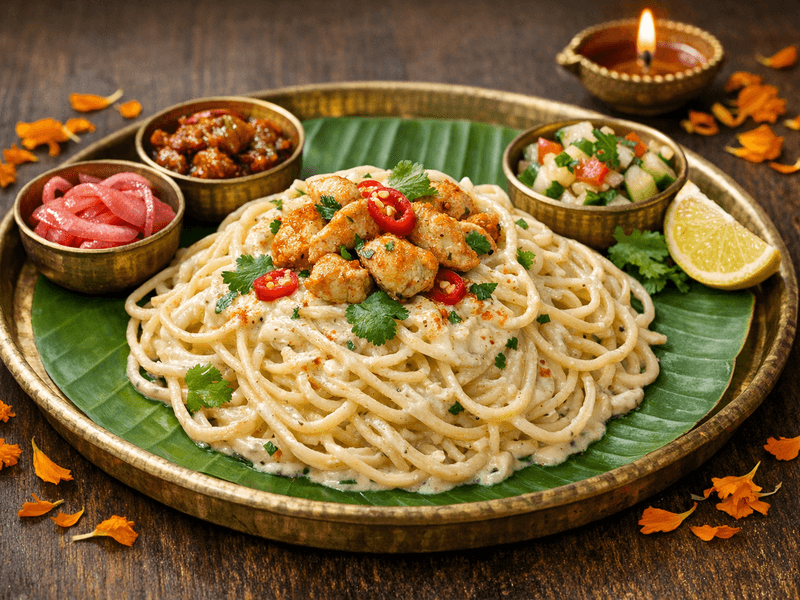
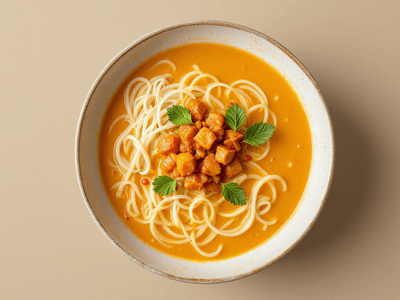
Assam Laksa is a vibrant and tangy noodle soup that has become a celebrated dish in Northeast India, particularly in the lush region of Assam. Known for its aromatic broth, rice noodles, and a medley of fresh vegetables, Assam Laksa is a soul-satisfying meal that brings together bold flavors and wholesome ingredients. Traditionally, it's prepared with a unique blend of spices, tamarind (imli), and herbs, offering a delightful balance of sour, spicy, and savory notes. With its roots in Assam, this dish has been adapted to suit local palates, making it a popular lunch choice, especially during the monsoon season when families gather for comforting, warming foods. What sets Assam Laksa apart is its use of indigenous ingredients such as fresh coriander (dhaniya), mint (pudina), and ginger (adrak), making it both flavorful and nutritious. The vegetarian version is gaining popularity among health-conscious Indians, as it is naturally low in fat and rich in dietary fiber. It's often enjoyed during Bihu, the Assamese festival that celebrates the harvest, symbolizing warmth and togetherness. Assam Laksa can be easily customized for various dietary needs, making it an ideal option for those tracking calories or seeking wholesome meal options. With its zesty broth and nourishing components, Assam Laksa is perfect for anyone looking to savor authentic Indian flavors without overindulging. It’s a dish that appeals to all age groups and adds a touch of regional heritage to your lunch table.
Ingredients(for 1 large bowl (suitable for an Indian lunch))
- 100 grams Rice noodles (lai sha or thin rice sevai)
- 2 tablespoons Tamarind pulp (imli)
- 1 medium Onion (finely sliced)
- 1 large Tomato (finely chopped)
- 1 small Cucumber (julienned) - optional
- 2 Green chilies (finely chopped; hari mirch)
- 1 inch Ginger (adrak, grated)
- 2 tablespoons Fresh coriander leaves (dhaniya, chopped)
- 1 tablespoon Mint leaves (pudina, chopped)
- to taste Salt (namak)
- 1/4 teaspoon Turmeric powder (haldi)
- 1 teaspoon Mustard oil (sarson ka tel)
- 1 teaspoon Jaggery (gud, optional for balance) - optional
Instructions
- 1
Soak the rice noodles in hot water for 5-7 minutes until softened. Drain and set aside.
7 minutes
Do not over-soak; noodles should be firm yet cooked.
- 2
In a kadhai, heat mustard oil. Add sliced onions and saute till translucent.
3 minutes
Use minimal oil for a lighter dish.
- 3
Add ginger, green chilies, and turmeric powder. Saute for 2 minutes to release flavors.
2 minutes
Fresh ginger enhances aroma and aids digestion.
- 4
Add chopped tomatoes and cook until soft. Mix in tamarind pulp and jaggery (if using). Stir well.
4 minutes
Jaggery balances the tanginess of tamarind.
Why This Dish is Healthy
This Assam Laksa recipe is a healthy choice due to its use of fresh, seasonal vegetables, lean rice noodles, and a flavorful broth with minimal oil. It’s free from heavy cream or fried components, ensuring lower calorie and fat content. The inclusion of natural ingredients and traditional spices enhances both taste and nutrition, making it ideal for those managing weight or seeking a balanced diet. Suitable for vegetarians and easily adaptable for vegan diets.
Assam Laksa is packed with dietary fiber from rice noodles and vegetables, making it a filling yet light meal. The use of tamarind and tomatoes provides vitamin C and antioxidants, while fresh herbs like coriander and mint support digestion and immunity. Ginger and green chilies add anti-inflammatory benefits. This vegetarian recipe is naturally low in fat, and with minimal oil usage, it supports heart health. Rich in complex carbohydrates and essential minerals, Assam Laksa is a wholesome lunch option.
Pro Tips
- 💡Tip 1: Use fresh tamarind pulp for the best flavor.
- 💡Tip 2: Always add garnishes at the end to keep herbs vibrant.
- 💡Tip 3: Adjust the broth’s tanginess by varying the tamarind and jaggery.
Storage & Serving
Store the broth and noodles separately in airtight containers in the refrigerator for up to 2 days. Reheat the broth and assemble just before serving to retain freshness.
Best served: Lunch
Nutrition Facts
| Nutrient | Per 100g |
|---|---|
| Energy | 400.0 kcal |
| Protein | 4.2 g |
| Carbohydrates | 13.5 g |
| Total Fat | 2.0 g |
| Fiber | 1.2 g |
| Sugars | 1.5 g |
| Iron | 0.8 mg |
| Calcium | 32.0 mg |
| Sodium | 380.0 mg |
| Potassium | 120.0 mg |
| Cholesterol | 12.0 mg |
| Vitamin A | 90.0 IU |
| Vitamin C | 5.0 mg |
| Magnesium | 15.0 mg |
| Zinc | 0.3 mg |
| Phosphorus | 45.0 mg |
| Vitamin D | 0.2 IU |
| Vitamin B1 (Thiamine) | 0.0 mg |
| Vitamin B2 (Riboflavin) | 0.0 mg |
| Vitamin B3 (Niacin) | 1.1 mg |
| Vitamin B6 | 0.1 mg |
| Vitamin B12 | 0.3 µg |
| Folate | 10.0 µg |