Arbi Fry
Lunch • India
How to Make Arbi Fry (Traditional & Healthy Version)
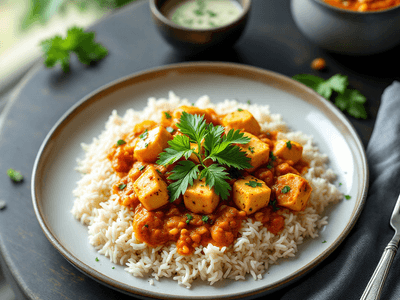
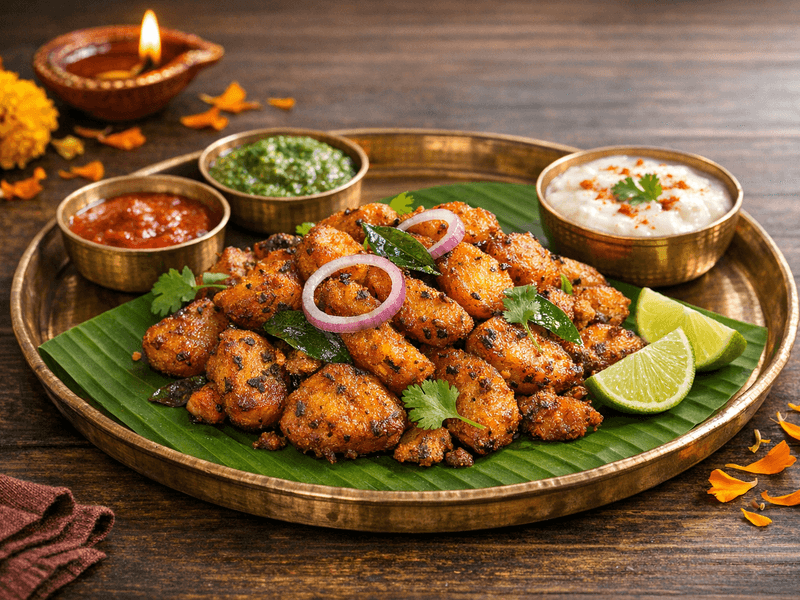
Arbi Fry, also known as fried taro root, is a beloved lunch dish hailing from North India. This vegetarian recipe is cherished for its crisp texture and earthy flavors, often served alongside dal-chawal or roti. Arbi, called 'colocasia' in English and 'अरबी' in Hindi, is a staple in many Indian households, especially during the summer and monsoon seasons when the root is harvested fresh. The dish offers a delicious balance of spicy, tangy, and aromatic notes, making it a favorite among both adults and children. Arbi Fry is particularly popular in regions like Punjab, Haryana, and Uttar Pradesh, where simple yet flavorful vegetable preparations are integral to daily meals. It is commonly prepared during fasting periods such as Navratri, as arbi is considered a sattvic food. The recipe uses minimal oil and Indian spices like haldi (turmeric), jeera (cumin), and amchur (dry mango powder) to enhance taste without compromising health. Its crispy, golden exterior and tender interior make it an ideal comfort food, perfect for lunch and festive occasions. With its roots in Indian culinary tradition and its adaptability to modern healthy cooking, Arbi Fry remains a timeless classic.
Ingredients(for 1 medium bowl (approx. 200g cooked arbi))
- 300g Arbi (colocasia root) (अरबी)
- 1.5 tbsp Sarson ka tel (mustard oil) (for authentic flavor)
- 1 tsp Jeera (cumin seeds)
- 1/4 tsp Haldi (turmeric powder)
- 1/2 tsp Lal mirch (red chili powder)
- 1/2 tsp Amchur (dry mango powder)
- 1 pinch Hing (asafoetida) - optional
- to taste Salt (sendha namak for fasting)
- 1 tsp Dhaniya (coriander powder)
- 1 tbsp Fresh coriander leaves (for garnish) - optional
Instructions
- 1
Wash and scrub arbi thoroughly. Place them in a pressure cooker with enough water. Pressure cook for 2 whistles or until arbi is soft but not mushy.
10 minutes
Avoid overcooking to prevent sticky texture.
- 2
Allow arbi to cool. Peel the skin and slice into thick rounds or lengthwise strips.
5 minutes
Peeling is easier once arbi cools completely.
- 3
Heat sarson ka tel in a tawa or kadhai. Add jeera and hing. Let them splutter.
2 minutes
Mustard oil adds traditional flavor; heat until it smokes lightly.
- 4
Add sliced arbi to the pan. Spread evenly and cook on medium flame until lightly browned and crisp, stirring occasionally.
8 minutes
Use a flat spatula to flip arbi for even crispiness.
Why This Dish is Healthy
This Arbi Fry recipe is a healthy choice due to its use of minimal oil, reliance on Indian spices for flavor instead of heavy sauces, and the inclusion of fiber-rich arbi. It offers sustained energy and keeps you feeling full longer. The dish is free of processed ingredients, making it ideal for weight management, diabetes-friendly diets, and those seeking wholesome vegetarian options.
Arbi is rich in dietary fiber, vitamin C, and potassium, supporting digestive health and maintaining blood pressure. The recipe uses minimal oil, mostly heart-healthy mustard oil, and includes spices like turmeric and cumin known for their anti-inflammatory properties. The absence of refined flour or dairy makes it suitable for many dietary needs. The dish is naturally gluten-free, and with careful ingredient selection, can be adapted for vegan diets. Macro values vary, but a serving typically contains moderate carbohydrates, low fat, and a small amount of protein.
Pro Tips
- 💡Tip 1: Always cook arbi thoroughly but avoid overcooking, as it can become sticky.
- 💡Tip 2: Use mustard oil for authentic North Indian flavor; heat it well to reduce pungency.
- 💡Tip 3: For extra crispiness, lightly flatten arbi pieces before frying.
Storage & Serving
Store leftover Arbi Fry in an airtight container in the refrigerator for up to 2 days. Reheat on a tawa to restore crispiness. Avoid freezing as arbi may become mushy.
Best served: Lunch
Nutrition Facts
| Nutrient | Per 100g |
|---|---|
| Energy | 180.0 kcal |
| Protein | 2.1 g |
| Carbohydrates | 22.5 g |
| Total Fat | 7.8 g |
| Fiber | 3.7 g |
| Sugars | 1.2 g |
| Iron | 1.1 mg |
| Calcium | 41.0 mg |
| Sodium | 420.0 mg |
| Potassium | 480.0 mg |
| Cholesterol | 0.0 mg |
| Vitamin A | 30.0 IU |
| Vitamin C | 13.0 mg |
| Magnesium | 32.0 mg |
| Zinc | 0.5 mg |
| Phosphorus | 62.0 mg |
| Vitamin D | 0.0 IU |
| Vitamin B1 (Thiamine) | 0.1 mg |
| Vitamin B2 (Riboflavin) | 0.0 mg |
| Vitamin B3 (Niacin) | 0.6 mg |
| Vitamin B6 | 0.1 mg |
| Vitamin B12 | 0.0 µg |
| Folate | 19.0 µg |