Aloo Parwal Fry
Lunch • India
How to Make Aloo Parwal Fry (Traditional & Healthy Version)
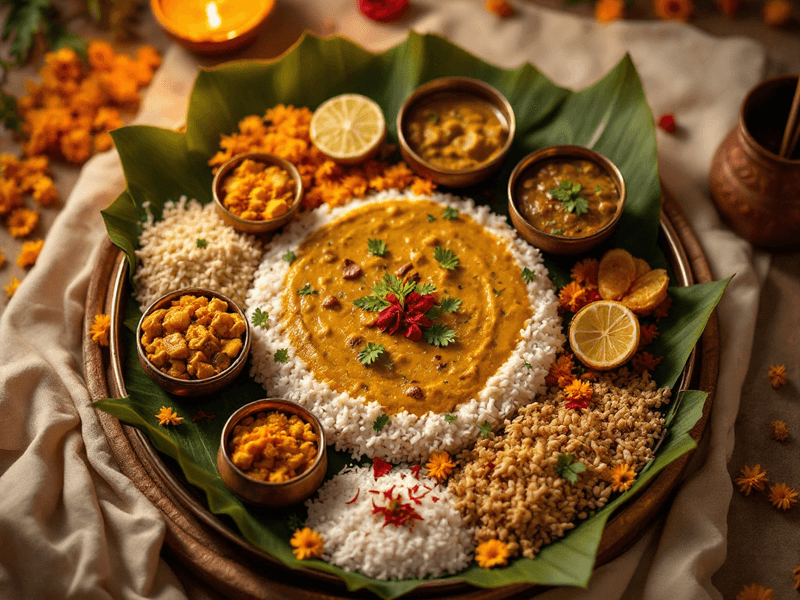
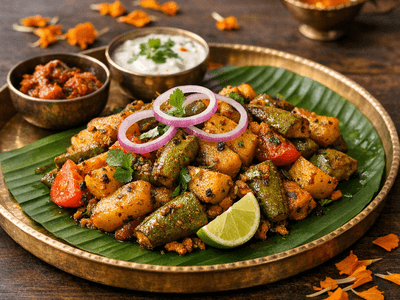
Aloo Parwal Fry is a beloved North Indian vegetarian dish, combining the earthy goodness of aloo (potatoes) and parwal (pointed gourd) with aromatic spices. Parwal, locally known as 'Potol' in Bihar and Bengal, is a staple vegetable during the summer months. This dish is especially popular in Uttar Pradesh and Bihar, where it is often served as a dry sabzi alongside roti, dal, and rice for lunch or festive thalis. The recipe is simple yet flavorful, making it an ideal choice for home cooks seeking wholesome, traditional Indian flavors without excess oil or calories. The taste of Aloo Parwal Fry is a delightful blend of crispy potatoes, soft parwal, and fragrant spices like jeera (cumin), haldi (turmeric), and dhania (coriander powder). The dish is mildly spiced, allowing the natural flavors of the vegetables to shine. It’s a versatile sabzi, enjoyed during regional festivals such as Chhath Puja and Holi, and is perfect for those following a vegetarian or plant-based diet. When prepared using minimal oil and fresh ingredients, Aloo Parwal Fry becomes a nutritious, health-conscious addition to any lunch menu. Aloo Parwal Fry is not only comforting but also showcases the rich culinary heritage of North India. Its simplicity in preparation and adaptability for health needs make it a favorite among families, especially for lunch during peak parwal season.
Ingredients(for 1 medium bowl sabzi (approx. 150g per serving))
- 2 medium Aloo (Potato) (peeled and diced)
- 200g Parwal (Pointed Gourd) (sliced lengthwise)
- 1 small Onion (finely chopped)
- 1/2 tsp Jeera (Cumin Seeds) (for tempering)
- 1/2 tsp Haldi (Turmeric Powder)
- 1 tsp Dhania Powder (Coriander Powder)
- 1/2 tsp Red Chilli Powder (adjust to taste)
- to taste Salt
- 1 tbsp Mustard Oil (traditionally used)
- 1 Green Chillies (slit, optional for extra heat) - optional
- 1 tbsp Fresh Coriander Leaves (chopped, for garnish) - optional
Instructions
- 1
Wash, peel, and dice the aloo. Slice parwal lengthwise and remove any seeds if necessary. Finely chop onion and green chillies.
5 minutes
Uniform pieces ensure even cooking.
- 2
Heat mustard oil in a kadhai or tawa over medium flame. Once hot, add jeera seeds and let them splutter.
2 minutes
Mustard oil adds authentic flavor; ensure it's properly heated to reduce pungency.
- 3
Add chopped onion and sauté till golden brown. Add green chilli if using.
3 minutes
Sauté onions till just golden for sweetness.
- 4
Add aloo and parwal slices. Stir well and cook for 2-3 minutes.
3 minutes
Mix vegetables thoroughly to coat with oil and onions.
Why This Dish is Healthy
This dish is a healthy choice because it uses seasonal vegetables, minimal oil, and nutrient-packed spices. Parwal is low in calories and high in fiber, making it ideal for weight management. Potatoes, when cooked with their skins and used in moderation, add healthy carbs. Mustard oil is heart-friendly and the recipe avoids heavy gravies, making it lighter and suitable for everyday lunch. The absence of refined ingredients ensures wholesome nutrition.
Aloo Parwal Fry is rich in dietary fiber, vitamins, and minerals. Parwal provides vitamin C, vitamin A, and antioxidants, while aloo contributes potassium and energy-giving carbohydrates. Using minimal mustard oil keeps saturated fat low, and the inclusion of fresh spices adds anti-inflammatory benefits. The sabzi is naturally gluten-free and can be vegan if garnished without dairy. It is suitable for calorie-conscious diets and helps in digestion due to its fiber content.
Pro Tips
- 💡Tip 1: Use fresh parwal for best taste and texture.
- 💡Tip 2: Cook on low flame to prevent burning and enhance flavor.
- 💡Tip 3: Add a pinch of amchur (dry mango powder) for extra tang.
Storage & Serving
Store leftovers in an airtight container in the refrigerator for up to 2 days. Reheat on a tawa or in the microwave before serving. Avoid freezing as parwal texture may change.
Best served: Lunch
Nutrition Facts
| Nutrient | Per 100g |
|---|---|
| Energy | 170.0 kcal |
| Protein | 2.0 g |
| Carbohydrates | 15.0 g |
| Total Fat | 5.0 g |
| Fiber | 3.0 g |