Aloo Gobhi Sabzi
Lunch • India
How to Make Aloo Gobhi Sabzi (Traditional & Healthy Version)
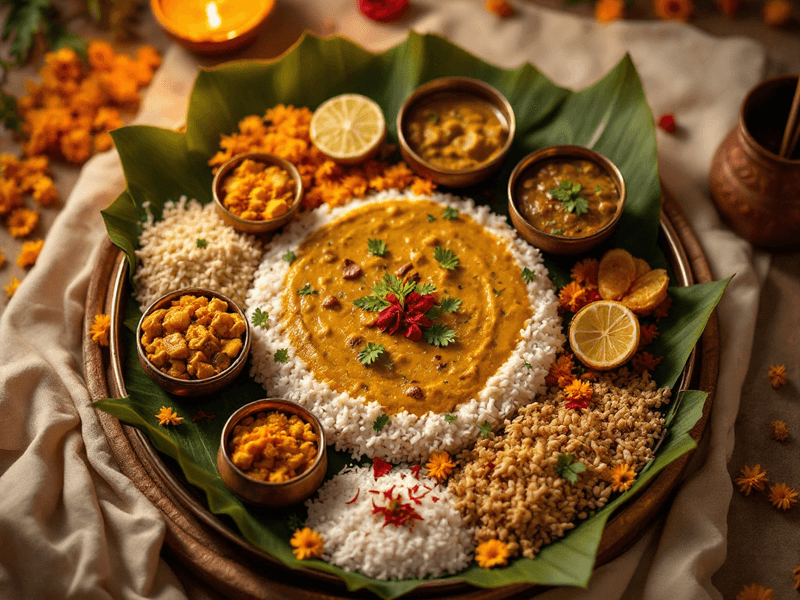
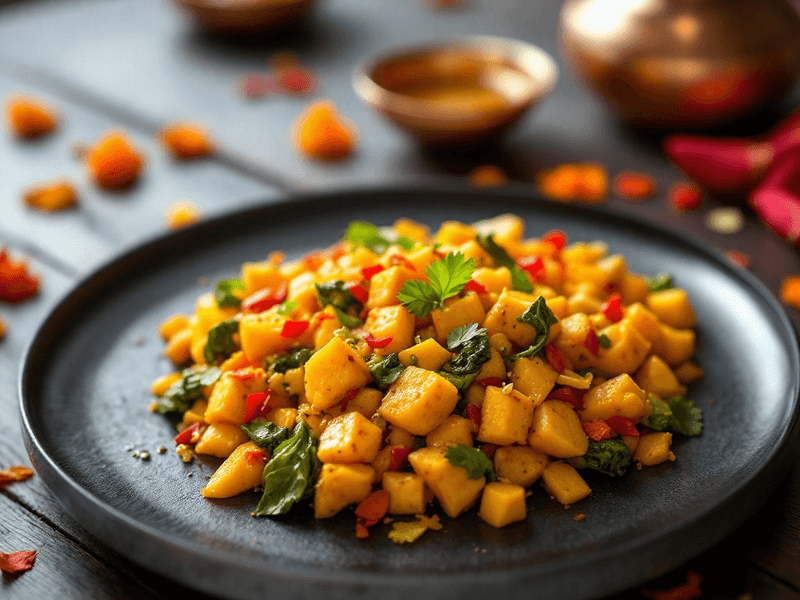
Aloo Gobhi Sabzi is a classic North Indian vegetarian dish, celebrated for its comforting flavors and easy preparation. Rooted in Punjabi households, this sabzi pairs the humble aloo (potato) and gobhi (cauliflower) with aromatic Indian spices such as jeera (cumin) and haldi (turmeric). The dish is a staple in Indian lunch thalis, often served with roti or paratha and accompanied by fresh dahi (curd) or salad. Its golden hue and enticing aroma make it a favorite during family gatherings, everyday meals, and festivals like Lohri and Diwali. Aloo Gobhi Sabzi is known for its mild yet flavorful taste, making it appealing to all age groups. The use of minimal oil and abundant vegetables ensures it’s light on the stomach and easy to digest. With regional variations across Punjab, Haryana, and Uttar Pradesh, this sabzi is sometimes cooked dry for tiffin boxes or with a light gravy for festive occasions. Its popularity lies in its simplicity, nutritional balance, and ability to complement other dishes in the Indian meal tradition. This healthy, homemade version is perfect for calorie-conscious individuals, as it highlights the natural flavors of aloo and gobhi without excess oil or heavy gravies. Packed with fiber, vitamins, and minerals, Aloo Gobhi Sabzi is a wholesome addition to your lunch menu. Discover the authentic taste and cultural richness of North India with this easy, nutritious recipe.
Ingredients(for 1 medium bowl (approx. 200g))
- 2 medium Aloo (Potato) (peeled & diced)
- 250g Gobhi (Cauliflower) (cut into florets)
- 1 medium Onion (finely chopped)
- 1 medium Tomato (finely chopped)
- 1 inch Ginger (grated (adrak))
- 1 Green Chili (finely chopped (hari mirch)) - optional
- 1 tsp Jeera (Cumin Seeds)
- 1/2 tsp Haldi (Turmeric Powder)
- 1/2 tsp Red Chili Powder - optional
- 1 tsp Dhaniya (Coriander Powder)
- 1/4 tsp Garam Masala - optional
- to taste Salt
- 1 tbsp Mustard Oil (or any cold-pressed oil)
- 2 tbsp Fresh Coriander Leaves (chopped (hara dhaniya)) - optional
Instructions
- 1
Wash and cut the aloo into small cubes and gobhi into bite-sized florets. Finely chop onion, tomato, ginger, and green chili.
5 minutes
Soak gobhi in salted water for 5 minutes to remove any impurities.
- 2
Heat mustard oil in a kadhai (wok) on medium flame. Add jeera and let it splutter.
2 minutes
Ensure oil is hot before adding jeera for maximum aroma.
- 3
Add chopped onion and sauté until golden brown. Stir in ginger and green chili, cook for 1 minute.
3 minutes
Do not overcook onions; they should be soft and translucent.
- 4
Add tomato, haldi, red chili powder, and dhaniya powder. Cook until tomato turns mushy and oil separates.
3 minutes
Cover for quicker cooking and richer masala.
Why This Dish is Healthy
This recipe uses less oil and relies on steaming the vegetables, preserving their nutrients and minimizing calorie intake. It’s cholesterol-free, gluten-free, and full of vitamins and minerals, making it ideal for weight management and diabetic diets. The combination of aloo and gobhi provides sustained energy and satiety, while the use of whole spices adds flavor without extra calories. Aloo Gobhi Sabzi supports a healthy, plant-based lifestyle and fits well into Indian calorie tracking routines.
Aloo Gobhi Sabzi is rich in dietary fiber from cauliflower and potatoes, supporting digestive health. Cauliflower provides vitamin C, vitamin K, and antioxidants, while potatoes supply potassium and vitamin B6. The use of minimal oil and natural spices like turmeric, cumin, and coriander adds anti-inflammatory and metabolic benefits. This vegetarian dish is low in saturated fats and contains moderate carbohydrates, making it suitable for balanced diets. The addition of onion, tomato, and ginger enhances micronutrient content and boosts immunity.
Pro Tips
- 💡Tip 1: Use fresh gobhi for best texture and flavor.
- 💡Tip 2: Cook on low flame to retain nutrients and prevent burning.
- 💡Tip 3: Add kasuri methi (dried fenugreek leaves) for an authentic Punjabi aroma.
Storage & Serving
Store leftover sabzi in an airtight container in the refrigerator for up to 2 days. Reheat on a tawa or microwave before serving. Avoid freezing as texture may change.
Best served: Lunch
Nutrition Facts
| Nutrient | Per 100g |
|---|---|
| Energy | 170.0 kcal |