Aloo Gobhi Jain Curry
Lunch • India
How to Make Aloo Gobhi Jain Curry (Traditional & Healthy Version)
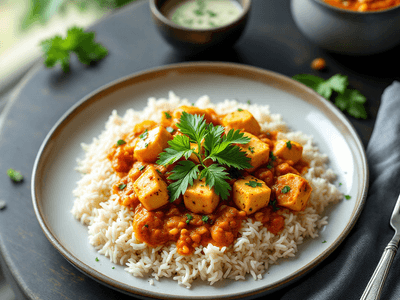
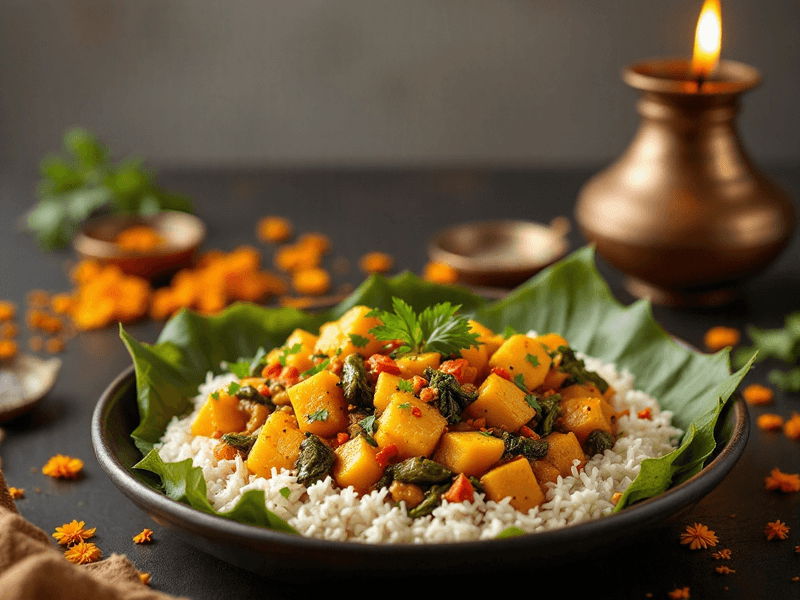
Aloo Gobhi Jain Curry is a beloved North Indian vegetarian dish that celebrates the subtle flavors of potatoes (aloo) and cauliflower (gobhi) without the use of onion or garlic, staying true to Jain dietary customs. This aromatic sabzi is a staple in Jain households, especially during Paryushan and other fasting periods, as it adheres strictly to sattvic principles. The dish is gently spiced with classic Indian masalas like turmeric (haldi), cumin (jeera), and coriander (dhaniya), resulting in a light yet flavorful curry with a comforting, home-style taste. Traditionally cooked in a kadhai (Indian wok), Aloo Gobhi Jain Curry is best enjoyed with freshly made phulka (roti) or steamed basmati rice. Its simplicity makes it a popular choice for daily lunch in many North Indian homes, and it's often served during religious festivals and community gatherings. The absence of onion and garlic allows the natural sweetness of the vegetables and the aromatic spices to shine through, making it a wholesome and easily digestible meal. Whether you’re observing Jain dietary guidelines, looking for a light yet satisfying curry, or simply want to explore authentic Indian vegetarian recipes, this Aloo Gobhi Jain Curry is a healthy, plant-based option that’s rich in tradition and perfect for a balanced Indian meal.
Ingredients(for 1 medium katori (bowl) curry per person)
- 2 medium Potatoes (aloo) (peeled and diced)
- 2 cups Cauliflower (gobhi) (cut into small florets)
- 2 medium Tomatoes (finely chopped)
- 1 inch Fresh ginger (grated (adrak))
- 1 Green chillies (finely chopped (hari mirch)) - optional
- 1/2 tsp Cumin seeds (jeera)
- 1/2 tsp Turmeric powder (haldi)
- 1 tsp Coriander powder (dhaniya powder)
- 1/2 tsp Red chilli powder (lal mirch powder) - optional
- 1/2 tsp Garam masala - optional
- to taste Salt (sendha namak for Jain festivals)
- 1.5 tbsp Refined oil (or cold-pressed mustard oil)
- 2 tbsp Fresh coriander leaves (finely chopped (hara dhaniya)) - optional
Instructions
- 1
Heat oil in a kadhai on medium flame. Add cumin seeds and let them splutter.
2 minutes
Don't overheat oil; it preserves the aroma of jeera.
- 2
Add grated ginger and green chillies (if using). Sauté for 1 minute till fragrant.
1 minute
Use a wooden spatula (karchhi) for even sautéing.
- 3
Add chopped tomatoes and cook until soft and the oil starts separating.
4 minutes
Cover with a lid for faster cooking and richer flavor.
- 4
Mix in turmeric powder, coriander powder, red chilli powder, and salt. Stir well.
1 minute
Roast spices on low flame to enhance aroma.
Why This Dish is Healthy
This curry is an excellent choice for anyone seeking a balanced, plant-based meal. Its low calorie content, high fiber, and nutrient-rich ingredients aid digestion and keep you full longer. The recipe uses very little oil, making it ideal for weight management and overall wellness. By omitting onion and garlic, it becomes gentle on the stomach, suitable for fasting, detox, or those with sensitive digestion.
Aloo Gobhi Jain Curry is rich in dietary fiber, vitamin C, and potassium from the potatoes and cauliflower. Cauliflower is especially high in antioxidants and vitamin K, supporting immune and bone health. The use of minimal oil and absence of onion and garlic make this dish low in fat and easy to digest. The dish contains complex carbohydrates from potatoes and is naturally cholesterol-free, making it suitable for heart health. Spices like turmeric and ginger add anti-inflammatory benefits.
Pro Tips
- 💡Tip 1: Cut potatoes and cauliflower into similar-sized pieces for even cooking.
- 💡Tip 2: Add a pinch of asafoetida (hing, if Jain-acceptable) for extra flavor.
- 💡Tip 3: Use sendha namak during fasting for authenticity.
Storage & Serving
Store in an airtight container in the refrigerator for up to 2 days. Reheat gently on a tawa or in a microwave, adding a splash of water if needed. Avoid freezing to maintain vegetable texture.
Best served: Breakfast or Lunch
Nutrition Facts
| Nutrient | Per 100g |
|---|---|
| Energy | 170.0 kcal |
| Protein | 2.1 g |
| Carbohydrates | 10.8 g |
| Total Fat | 3.2 g |
| Fiber | 2.7 g |
| Sugars | 2.0 g |
| Iron | 1.1 mg |
| Calcium | 32.0 mg |
| Sodium | 210.0 mg |
| Potassium | 340.0 mg |
| Cholesterol | 0.0 mg |
| Vitamin A | 420.0 IU |
| Vitamin C | 32.0 mg |
| Magnesium | 22.0 mg |
| Zinc | 0.4 mg |
| Phosphorus | 48.0 mg |
| Vitamin D | 0.0 IU |
| Vitamin B1 (Thiamine) | 0.1 mg |
| Vitamin B2 (Riboflavin) | 0.1 mg |
| Vitamin B3 (Niacin) | 1.1 mg |
| Vitamin B6 | 0.2 mg |
| Vitamin B12 | 0.0 µg |
| Folate | 38.0 µg |