Aloo Besan Sabji with Chapati
Lunch • India
How to Make Aloo Besan Sabji with Chapati (Traditional & Healthy Version)
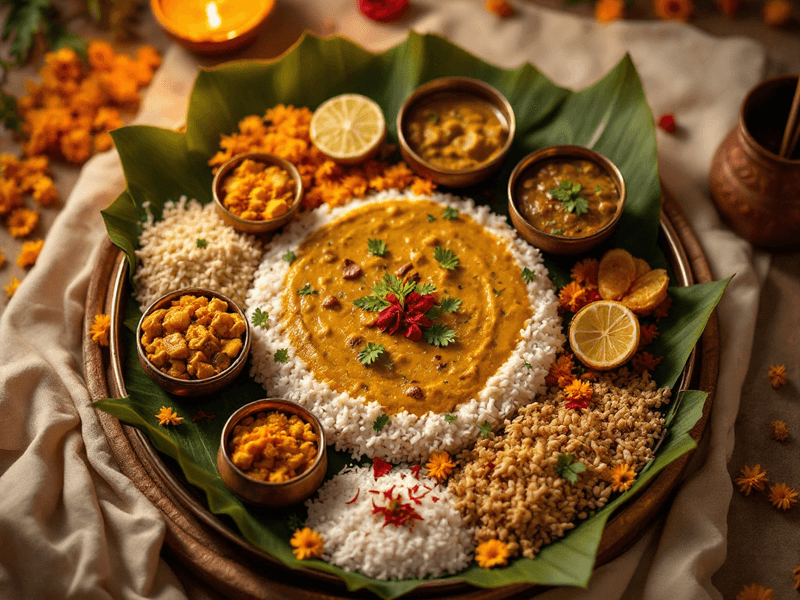
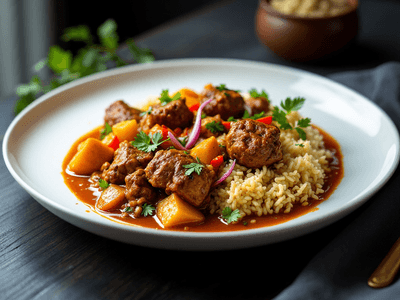
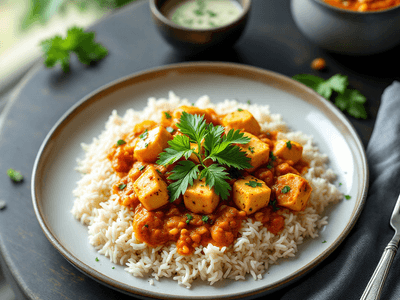
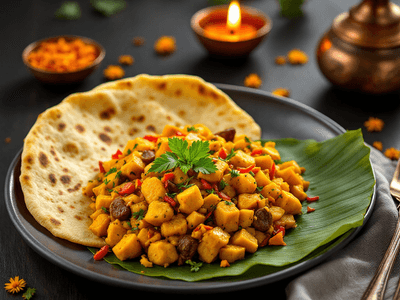
Aloo Besan Sabji with Chapati is a cherished North Indian lunch recipe, beloved for its comforting flavors and satisfying textures. This classic combination brings together spicy, tangy aloo (potato) cooked with besan (gram flour) and a medley of aromatic masalas, paired with soft, fresh chapatis made from whole wheat atta. The dish finds its roots in the heart of North India, especially in households of Uttar Pradesh, Rajasthan, and Punjab, where it is often savored during family lunches, festive gatherings, or simple everyday meals. What makes Aloo Besan Sabji stand out is the unique texture imparted by the roasted besan, which coats the potatoes with a nutty, mildly spiced layer. The dish is both filling and light on the stomach, making it a favorite during Navratri, Holi, or just as a wholesome lunchbox option. Served with chapati, this meal delivers a balanced blend of carbohydrates, plant protein, and essential nutrients. Its simplicity, affordability, and adaptability have made it a staple in Indian kitchens, passed down through generations with regional tweaks to suit every palate.
Ingredients(for 1 medium bowl sabji with 2 chapatis)
- 2 medium Potatoes (aloo) (peeled and diced)
- 1/2 cup Besan (gram flour) (roasted for extra flavor)
- 1 small Onion (finely chopped)
- 1 Green chilli (finely chopped)
- 1-inch piece Ginger (grated (adrak))
- 1/2 tsp Cumin seeds (jeera)
- 1/4 tsp Turmeric powder (haldi)
- 1/2 tsp Red chilli powder (adjust to taste)
- 1 tsp Coriander powder (dhaniya)
- to taste Salt
- 1 tbsp Mustard oil (or any cold-pressed oil)
- 2 tbsp Fresh coriander leaves (chopped, for garnish)
- 1 cup Whole wheat flour (atta) (for chapati)
- as needed Water (for dough and cooking)
Instructions
- 1
Prepare the chapati dough by mixing atta with a pinch of salt and enough water to form a soft dough. Cover and let it rest.
5 minutes
Resting makes chapatis softer.
- 2
Roast besan in a kadhai on low flame till aromatic and slightly golden. Set aside.
3 minutes
Keep stirring continuously to prevent burning.
- 3
Heat mustard oil in a pan. Add cumin seeds, let them splutter. Add onions, ginger, and green chilli; sauté till onions turn translucent.
4 minutes
Use mustard oil for authentic flavor.
- 4
Add diced potatoes and sauté for 2-3 minutes. Sprinkle turmeric, red chilli powder, coriander powder, and salt. Mix well.
3 minutes
Cut potatoes evenly for uniform cooking.
Why This Dish is Healthy
This dish is a healthy choice as it combines the goodness of potatoes and besan for sustained energy and muscle repair while using whole wheat chapati for slow-releasing carbs. It is low in saturated fats, free from processed ingredients, and can be easily adapted for specific dietary needs. The use of roasted besan increases protein content and digestive fiber, making it ideal for weight management and improved gut health.
Aloo Besan Sabji with Chapati provides a balanced meal rich in complex carbohydrates, plant-based protein, and dietary fiber. Potatoes offer potassium, vitamin C, and B6, while besan is a good source of protein, iron, and folate. Whole wheat chapati adds fiber and essential minerals like magnesium and zinc. The use of minimal oil and fresh ingredients ensures low saturated fat and cholesterol, making this meal heart-healthy and suitable for most diets. Spices like turmeric and coriander add antioxidants and anti-inflammatory benefits.
Pro Tips
- 💡Tip 1: Always roast besan on low flame to prevent it from turning bitter.
- 💡Tip 2: Add a splash of warm water if the sabji gets too dry after adding besan.
- 💡Tip 3: For softer chapatis, use lukewarm water while kneading the dough.
Storage & Serving
Store leftover sabji in an airtight container in the refrigerator for up to 2 days. Reheat gently on the stovetop. Chapatis are best consumed fresh, but can be wrapped in a cloth and stored for up to 12 hours.
Best served: Breakfast or Lunch
Nutrition Facts
| Nutrient | Per 100g |
|---|---|
| Energy | 370.0 kcal |
| Protein | 4.0 g |
| Carbohydrates | 29.0 g |
| Total Fat | 4.0 g |
| Fiber | 4.0 g |