A2hpy2hkas
Lunch • India
How to Make A2hpy2hkas (Traditional & Healthy Version)
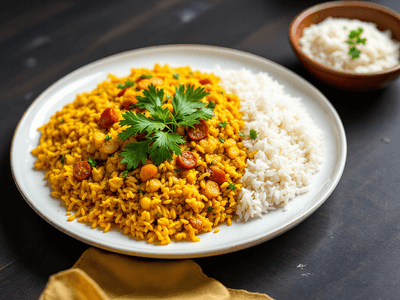
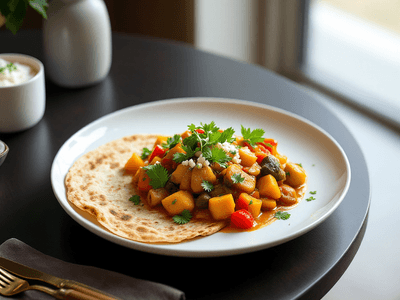
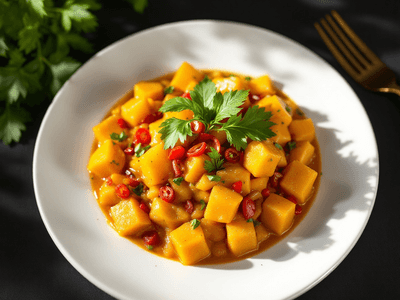
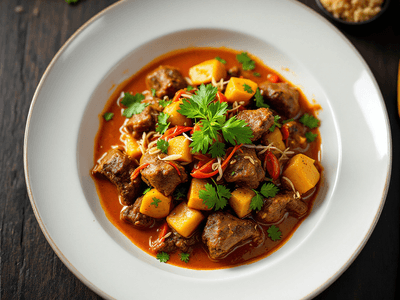
A2hpy2hkas is a beloved vegetarian dish deeply rooted in Indian culinary traditions. Although its exact regional origin remains a mystery, the dish has found its way into lunch tables across India, particularly due to its wholesome ingredients and comforting flavors. It is often associated with home-cooked meals and is a staple during family gatherings. The name 'A2hpy2hkas' hints at a fusion of regional cooking styles, reflecting the global appeal of Indian cuisine. The dish is celebrated for its balanced combination of grains, vegetables, and aromatic spices, providing both taste and nutrition. A2hpy2hkas is perfect for those seeking a healthy and satisfying lunch option. Its preparation involves a careful blend of spices such as jeera (cumin), dhania (coriander), and haldi (turmeric), which not only add depth of flavor but also offer numerous health benefits. Traditionally, it is cooked on a tawa or in a kadai, making it accessible for everyday Indian kitchens. The dish is particularly popular during festivals and special occasions, when families gather to enjoy authentic, home-cooked food. Whether enjoyed with phulka, chapati, or rice, A2hpy2hkas delivers a hearty, nutritious meal. Its versatility allows for regional adaptations, incorporating local vegetables and grains. This makes it a favorite among health-conscious individuals who appreciate the rich tapestry of Indian cuisine. The dish’s vibrant colors and aromatic spices make it as visually appealing as it is delicious.
Ingredients(for 1 medium bowl per person)
- 1 cup Atta (whole wheat flour) (for the base)
- 1.5 cups Mixed seasonal vegetables (carrot, beans, peas, local names: gajar, phalli, matar)
- 1/2 cup Dahi (curd) (for tanginess and protein)
- 1 tsp Jeera (cumin seeds) (for tempering)
- 1 tsp Dhaniya powder (coriander powder) (for flavor)
- 1/2 tsp Haldi (turmeric powder) (for color and health)
- 1/2 tsp Lal mirch (red chili powder) (adjust to taste)
- to taste Salt
- 1 tbsp Ghee or oil (for cooking, use mustard oil for authenticity)
- 2 tbsp Fresh dhania (coriander leaves) (for garnish) - optional
Instructions
- 1
Wash and chop the mixed seasonal vegetables (gajar, phalli, matar) into small pieces.
5 minutes
Use fresh, local produce for best flavor and nutrition.
- 2
In a bowl, mix atta with a pinch of salt and enough water to form a soft dough. Cover and set aside.
5 minutes
Adding a spoonful of dahi to the dough makes it softer and more nutritious.
- 3
Heat ghee or oil in a kadai. Add jeera and let it crackle. Then add chopped vegetables.
3 minutes
Tempering spices first enhances aroma.
- 4
Add haldi, dhaniya powder, lal mirch, and salt. Stir and cook vegetables until semi-soft.
7 minutes
Cover the kadai to steam the vegetables evenly.
Why This Dish is Healthy
This vegetarian recipe uses whole grains and fresh vegetables, making it a wholesome choice for lunch. It avoids unnecessary oils and refined ingredients, focusing on natural, nutrient-rich components. The addition of dahi not only enhances taste but also boosts protein and calcium content. By incorporating traditional Indian spices, A2hpy2hkas supports immunity and digestion. Its balanced macros make it ideal for calorie-conscious individuals and those seeking a healthy Indian meal.
A2hpy2hkas is a nutrient-dense dish, rich in dietary fiber from whole wheat (atta) and a variety of seasonal vegetables like gajar, phalli, and matar. The use of dahi adds a healthy dose of probiotics and protein, supporting digestive health and muscle recovery. Essential vitamins and minerals such as vitamin A, C, and iron are abundant in the vegetables, while spices like haldi and dhaniya offer antioxidant properties. The dish is low in saturated fat when cooked with minimal ghee, making it suitable for daily consumption.
Pro Tips
- 💡Tip 1: Use fresh, local vegetables for maximum nutrition and flavor.
- 💡Tip 2: Incorporate dahi gradually to prevent splitting.
- 💡Tip 3: Roll atta discs evenly for uniform cooking on tawa.
Storage & Serving
Store leftovers in an airtight container in the refrigerator for up to 2 days. Reheat on a tawa or in a microwave before serving. Avoid freezing as texture may change.
Best served: Lunch
Nutrition Facts
| Nutrient | Per 100g |
|---|---|
| Energy | 250.0 kcal |