2 Chapati
Lunch • India
How to Make 2 Chapati (Traditional & Healthy Version)
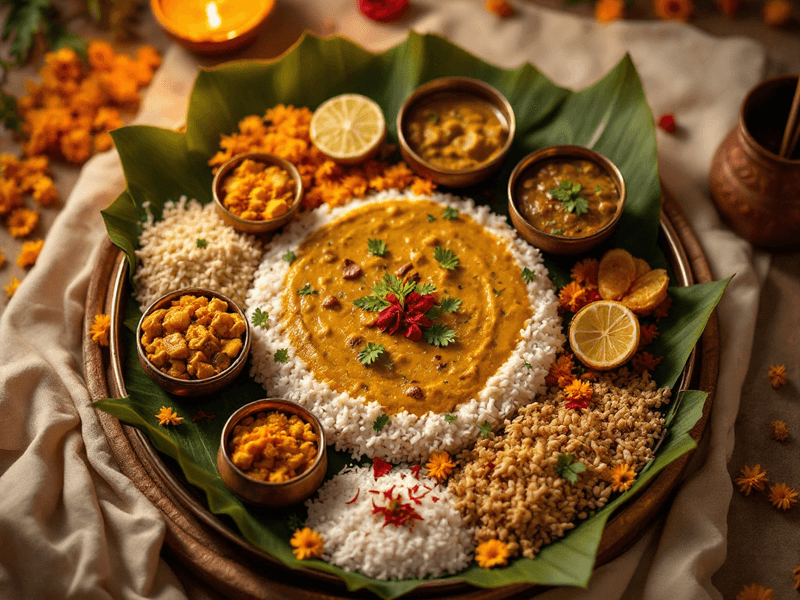
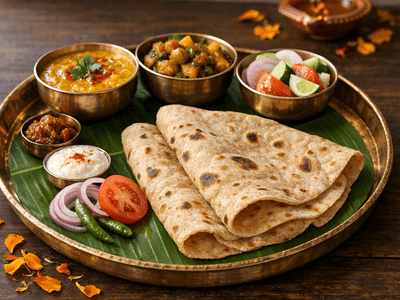
Chapati, also known as roti, is a staple flatbread enjoyed across India, from bustling cities to rural villages. Made primarily from whole wheat flour (atta), chapati is revered for its simplicity, versatility, and nourishing qualities. Traditionally cooked on a tawa (griddle), it forms the foundation of countless Indian meals, pairing beautifully with dals, sabzis, and chutneys. Chapati is commonly served during lunch and dinner, making it an integral part of everyday Indian cuisine. The origins of chapati can be traced to North India, but its popularity has grown nationwide, with regional variations such as phulka, missi roti, and makki ki roti. During festivals like Holi and Diwali, chapati is often served alongside elaborate dishes, symbolizing unity and tradition. Its soft, slightly chewy texture and mild wheat flavor provide comfort and nourishment, making it a preferred choice for families seeking wholesome and health-conscious meals. For those mindful of their health and calorie intake, chapati is an excellent option. It’s naturally vegetarian, low in fat, and provides sustained energy, making it ideal for people tracking their macros or following a balanced Indian diet. Whether enjoyed plain, brushed with a hint of ghee, or accompanied by vegetables, chapati brings the authentic taste of India to your table.
Ingredients(for 1 medium chapati per serving (approx. 40g each))
- 1 cup Whole wheat flour (atta)
- 1/2 cup Water (as needed for dough)
- 1/4 tsp Salt (optional) - optional
- 1/2 tsp Oil (optional, for softness) - optional
- 1/2 tsp Ghee (optional, for brushing) - optional
- 1/4 tsp Ajwain seeds (optional, for flavor) - optional
- 1/2 tsp Sesame seeds (optional, for texture) - optional
- 1 tbsp Milk (optional, for richer dough) - optional
Instructions
- 1
In a wide bowl, add whole wheat flour (atta). Mix in salt, ajwain, sesame seeds, and oil if using.
3 minutes
Sifting atta improves texture and prevents lumps.
- 2
Gradually add water (and milk, if using), kneading into a soft, pliable dough. Cover and rest for 10 minutes.
10 minutes
Resting dough makes chapati softer and easier to roll.
- 3
Divide dough into 2 equal balls. Dust each with flour and roll into a round disc, approx. 6 inches diameter.
5 minutes
Rotate the dough while rolling for an even shape.
- 4
Heat a tawa (griddle) on medium. Place one rolled chapati onto the hot tawa. Cook for 30 seconds until bubbles form.
1 minute
Ensure tawa is properly heated before placing chapati.
Why This Dish is Healthy
2 Chapati is a balanced, whole-grain meal option, supporting weight loss, diabetes management, and overall wellness. Using whole wheat atta ensures a low glycemic index, preventing sugar spikes. Minimal oil and ghee keep calories in check, while optional seeds add micronutrient richness. Chapati fits perfectly into vegetarian, vegan, and high-protein Indian diets.
Chapati is rich in complex carbohydrates, dietary fiber, and plant-based protein. Whole wheat atta provides essential minerals like iron, magnesium, and zinc, along with B-vitamins. The low fat content, especially when made without ghee, makes chapati an ideal choice for weight management and heart health. The fiber aids digestion, regulates blood sugar, and supports sustained energy levels throughout the day.
Pro Tips
- 💡Tip 1: Use lukewarm water for kneading to make chapati softer.
- 💡Tip 2: Let the dough rest for at least 10 minutes to enhance elasticity.
- 💡Tip 3: Roll chapati evenly for uniform cooking and puffing.
Storage & Serving
Store cooked chapatis in a covered container or wrapped in a cloth to retain softness. Consume within 6 hours for best freshness. If storing longer, refrigerate in an airtight box and reheat on tawa before serving.
Best served: Breakfast or Lunch
Nutrition Facts
| Nutrient | Per 100g |
|---|---|
| Energy | 250.0 kcal |
| Protein | 7.8 g |
| Carbohydrates | 49.0 g |
| Total Fat | 1.7 g |
| Fiber | 4.9 g |
| Sugars | 0.5 g |
| Sodium | 3.0 mg |
| Potassium | 120.0 mg |
| Cholesterol | 0.0 mg |
| Vitamin A | 0.0 IU |
| Vitamin C | 0.0 mg |
| Calcium | 18.0 mg |
| Iron | 2.4 mg |
| Magnesium | 38.0 mg |
| Zinc | 0.9 mg |
| Phosphorus | 95.0 mg |
| Vitamin D | 0.0 IU |
| Vitamin B1 (Thiamine) | 0.2 mg |
| Vitamin B2 (Riboflavin) | 0.0 mg |
| Vitamin B3 (Niacin) | 1.2 mg |
| Vitamin B6 | 0.1 mg |
| Vitamin B12 | 0.0 µg |
| Folate | 24.0 µg |