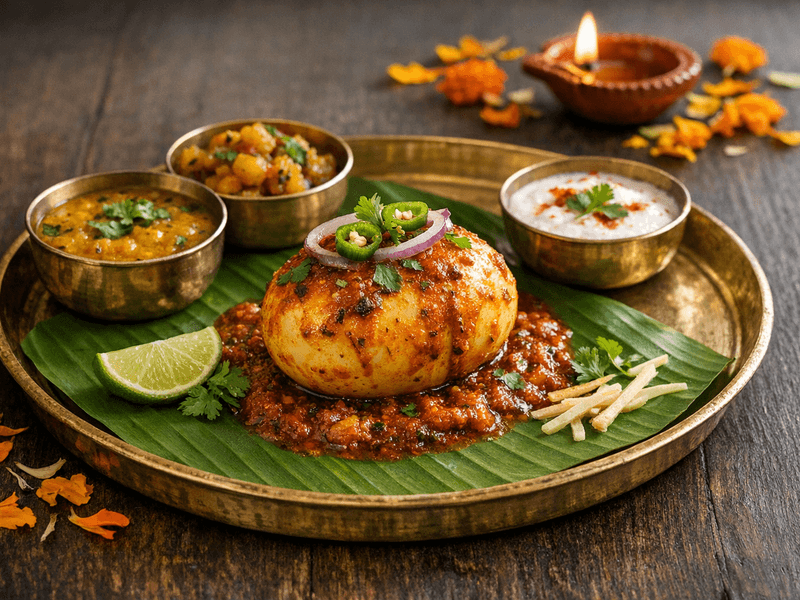
1 Boiled Egg Whole
Lunch • India
How to Make 1 Boiled Egg Whole (Traditional & Healthy Version)
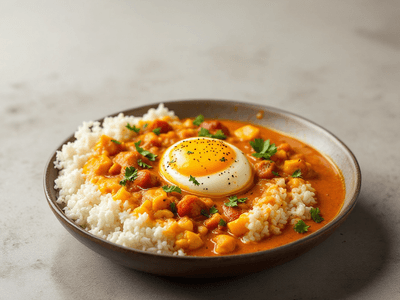
A boiled egg, known as 'ubla anda' in Hindi, is a timeless staple in Indian households, appreciated for its simplicity, nutrition, and versatility. Whether enjoyed as a quick lunch, a protein-rich snack, or a side dish in a thali, the humble boiled egg transcends regional boundaries in India. From school lunchboxes to busy office days, boiled eggs are favored for their ease of preparation and nourishing quality. In India, boiled eggs are often seasoned with a sprinkle of kala namak (black salt), chat masala, or a dash of freshly ground pepper, making them a flavorful and healthy choice. They're commonly served during fasting periods, as a light meal after rituals, or as a nutritious addition to salads and curries. The combination of taste, tradition, and nutrition makes boiled eggs a popular option across states, from Bengal’s 'dim seddho' to Kerala’s 'mutta' preparations. Their creamy yolk and firm white provide a satisfying texture, while the neutral flavor pairs beautifully with Indian spices. Choosing a boiled egg for lunch is not only practical but aligns with health-conscious eating. It requires minimal ingredients, is naturally gluten-free, and can be customized with regional masalas or paired with whole grains and salads for a balanced meal. This recipe will guide you through making the perfect boiled egg, with Indian tips to enhance flavor and nutrition.
Ingredients(for 1 whole boiled egg per serving)
- 2 large Eggs (anda)
- enough to cover eggs Water (pani)
- 1/2 tsp Salt (namak) - optional
- 1/4 tsp Black pepper (kali mirch, freshly ground) - optional
- 1/2 tsp Chat masala (optional, for garnish) - optional
- 1 tbsp Coriander leaves (dhaniya patta, finely chopped) - optional
- few drops Lemon juice (nimbu ras) - optional
- a pinch Kala namak (black salt, optional) - optional
- a pinch Red chili powder (lal mirch, optional) - optional
Instructions
- 1
Gently place the eggs in a saucepan and cover them with enough water. Add a pinch of salt to prevent cracking.
2 minutes
Use room temperature eggs to minimize cracking.
- 2
Bring the water to a boil on medium heat. Once boiling, reduce the flame to low and let the eggs simmer for 8-10 minutes for a firm yolk.
10 minutes
For softer yolks, reduce cooking time by 2 minutes.
- 3
Turn off the heat and transfer the eggs immediately to a bowl of cold water. Let them sit for 5 minutes to stop the cooking process.
5 minutes
This makes peeling easier and prevents grey rings around the yolk.
- 4
Gently tap the eggs and peel off the shells. Rinse to remove any bits of shell.
2 minutes
Roll the egg on the counter to loosen the shell before peeling.
Why This Dish is Healthy
This boiled egg recipe is naturally low in calories and free from unhealthy fats or additives. It keeps you full for longer, helping with weight management and muscle building. The inclusion of spices like black pepper and dhaniya adds antioxidants without extra calories. Boiled eggs are also a great choice for diabetics due to their minimal impact on blood sugar levels. This makes them a smart, nutritious option for lunch in any Indian kitchen.
Boiled eggs are an excellent source of high-quality protein, providing all essential amino acids in a digestible form. They are rich in vitamins such as B12, D, and A, along with minerals like iron, phosphorus, and selenium. The healthy fats in eggs support brain function, while their low carbohydrate content makes them suitable for various diets. Consuming boiled eggs can aid in muscle repair, boost immunity, and support eye health due to their lutein and zeaxanthin content.
Pro Tips
- 💡Use older eggs for easier peeling.
- 💡Add a splash of vinegar to the boiling water to prevent cracking.
- 💡For perfect texture, avoid overcooking as it can lead to a grey yolk.
Storage & Serving
Store boiled eggs (unpeeled) in the refrigerator for up to 1 week. For best taste, peel just before eating. Avoid leaving peeled eggs at room temperature for more than 2 hours.
Best served: Breakfast or Lunch
Nutrition Facts
| Nutrient | Per 100g |
|---|---|
| Energy | 250.0 kcal |
| Protein | 12.6 g |
| Carbohydrates | 1.1 g |
| Total Fat | 10.6 g |
| Fiber | 0.0 g |
| Sugars | 1.1 g |
| Iron | 1.8 mg |
| Calcium | 56.0 mg |
| Sodium | 126.0 mg |
| Potassium | 138.0 mg |
| Cholesterol | 373.0 mg |
| Vitamin A | 160.0 IU |
| Vitamin C | 0.0 mg |
| Magnesium | 12.0 mg |
| Zinc | 1.0 mg |
| Phosphorus | 198.0 mg |
| Vitamin D | 2.0 IU |
| Vitamin B1 (Thiamine) | 0.0 mg |
| Vitamin B2 (Riboflavin) | 0.5 mg |
| Vitamin B3 (Niacin) | 0.1 mg |
| Vitamin B6 | 0.1 mg |
| Vitamin B12 | 1.1 µg |
| Folate | 47.0 µg |