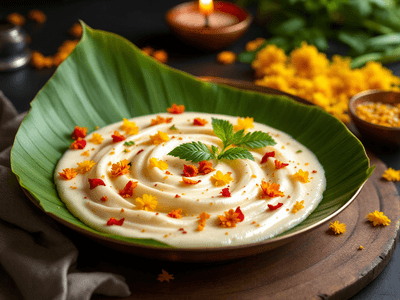
Traditional Kheer
Desserts • India
How to Make Traditional Kheer (Traditional & Healthy Version)
Kheer, a timeless Indian dessert, is cherished across the subcontinent for its creamy texture and delicate sweetness. Originating from ancient Indian kitchens, kheer is made by simmering rice in milk, flavored with cardamom, saffron, and garnished with nuts. It is not only a staple at grand festivals like Diwali, Holi, and Eid, but also a symbol of celebration in homes, marking birthdays, weddings, and other auspicious occasions. The aroma of basmati chawal slowly cooking in doodh (milk) evokes nostalgia and warmth, making kheer a soul-satisfying treat. Traditionally, kheer is enjoyed after meals or offered as prasad (religious offering) in temples, signifying purity and generosity. Its versatility allows for regional variations—whether garnished with dry fruits in North India or enriched with coconut in the South. This healthy version focuses on using low-fat doodh and natural sweeteners, making it ideal for calorie-conscious individuals and those tracking their nutritional intake. The subtle flavor of elaichi (cardamom) and kesar (saffron) blends perfectly with the gentle sweetness, creating a dessert that is both comforting and health-conscious. Kheer truly embodies India's rich culinary heritage.
Ingredients(for 1 small bowl (approx. 150ml))
- 1/4 cup Basmati rice (chawal)
- 2 cups Low-fat milk (doodh)
- 2 tablespoons Jaggery powder (gur)
- 1/2 teaspoon Cardamom powder (elaichi)
- 8-10 strands Saffron strands (kesar)
- 6-8 Almonds (badam, sliced)
- 6-8 Cashews (kaju, chopped)
- 1 tablespoon Raisins (kishmish) - optional
- 1/2 teaspoon Rose water (optional for aroma) - optional
- 4-5 Pistachios (pista, slivered) - optional
Instructions
- 1
Wash basmati rice thoroughly and soak for 10 minutes. Drain and keep aside.
10 minutes
Soaking rice ensures quicker cooking and creamier texture.
- 2
In a heavy-bottomed kadai, bring low-fat milk to a gentle boil. Stir frequently to avoid burning.
5 minutes
Use a thick vessel to prevent milk from sticking.
- 3
Add soaked rice to the boiling milk. Stir continuously and cook on low flame until rice is tender and milk thickens.
10 minutes
Scrape sides for extra creaminess.
- 4
Add cardamom powder, saffron strands (soaked in 1 tablespoon warm milk), and jaggery. Mix well and cook for another 5 minutes.
5 minutes
Add jaggery after turning off the flame to prevent curdling.
Why This Dish is Healthy
This version of kheer is health-conscious due to the use of low-fat doodh and jaggery, which lowers calories and added sugars. The addition of nuts boosts protein and healthy fats, supporting heart health and muscle recovery. Using basmati rice ensures a low GI, making it suitable for glucose control. The dessert is rich in nutrients and free from artificial additives, making it a wholesome treat.
Traditional kheer, when made with low-fat milk and jaggery, offers a balanced source of protein, calcium, and essential vitamins such as B2 and B12. The inclusion of nuts like badam, kaju, and pista provides healthy fats, magnesium, and antioxidants. Jaggery imparts iron and is a natural sweetener, making it preferable over refined sugar. The dish is gluten-free and suitable for vegetarians, making it accessible to most Indian diets.
Pro Tips
- 💡Tip 1: Always use a heavy-bottomed vessel to prevent milk from sticking.
- 💡Tip 2: Add jaggery after turning off the flame to avoid curdling.
- 💡Tip 3: Garnish with saffron and nuts just before serving for freshness and visual appeal.
Storage & Serving
Store kheer in an airtight container in the refrigerator for up to 3 days. Stir before serving. Avoid freezing to maintain texture.
Best served: Lunch
Nutrition Facts
| Nutrient | Per 100g |
|---|---|
| Energy | 215.0 kcal |