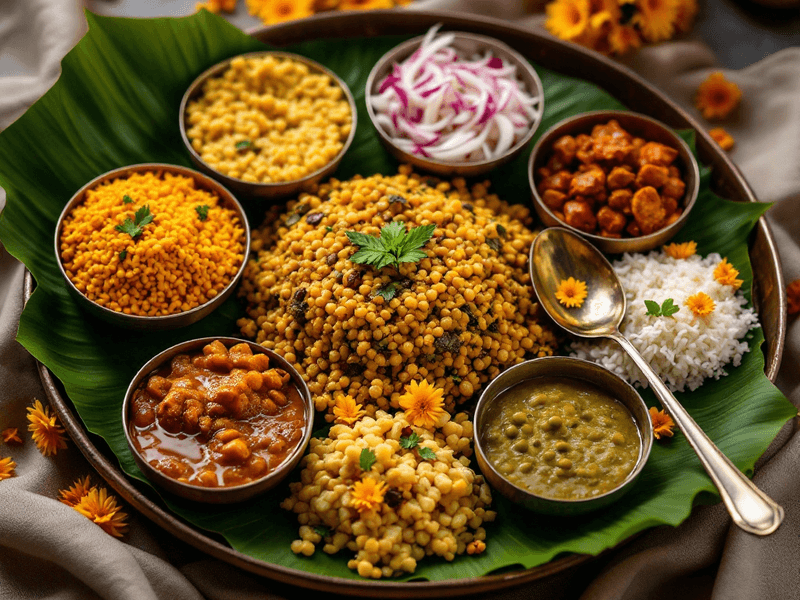
📸 Image coming soon for Sweet Pongal Vrat 1
Sweet Pongal Vrat 1
Desserts • India
How to Make Sweet Pongal Vrat 1 (Traditional & Healthy Version)
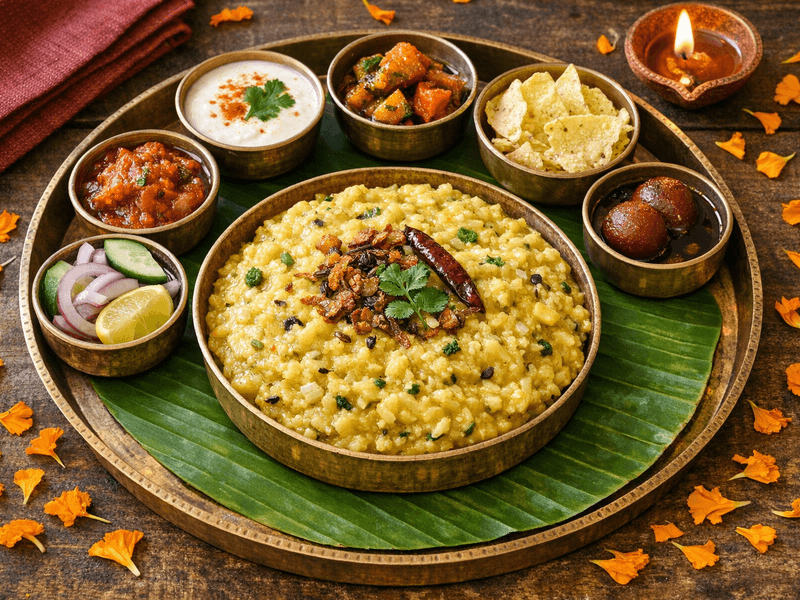
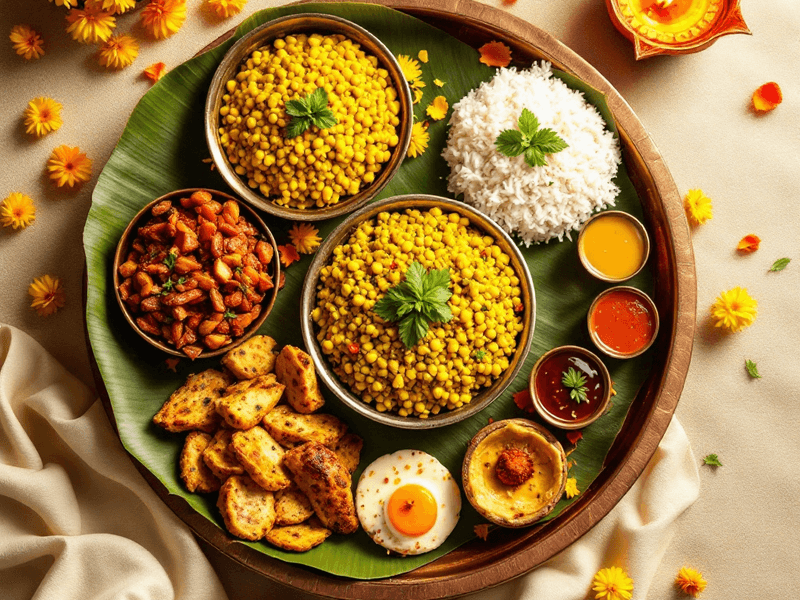
Sweet Pongal, also known as 'Sakkarai Pongal' in Tamil and 'Chakkara Pongali' in Telugu, is a cherished Indian dessert made primarily during auspicious festivals like Makar Sankranti and Pongal. This vrat-friendly variant is specially crafted for fasting days, using ingredients permitted during Hindu vrat (fasting) such as samak rice (vrat ke chawal), jaggery, and ghee. The dish boasts a creamy, luscious texture with the warm aroma of cardamom and roasted dry fruits, making it a comfort food for many. Sweet Pongal is not just a festive treat but also a symbol of prosperity and gratitude, often offered as 'naivedyam' in temples across South India. Its natural sweetness from jaggery, subtle flavors from ghee, and nutritious nuts make it a wonderful choice for those seeking an authentic Indian dessert with a health-conscious twist. By embracing traditional fasting ingredients, Sweet Pongal Vrat 1 aligns perfectly with the Indian cultural context, celebrating both taste and tradition. Whether served during festivals, poojas, or as a wholesome dessert after meals, this recipe preserves the essence of Indian culinary heritage while catering to modern dietary needs.
Ingredients(for 1 small bowl (approx. 120g))
- 1/2 cup Samak rice (vrat ke chawal) (Barnyard millet; used during fasting)
- 1/3 cup Jaggery (gur) (Desi gur preferred for authentic taste)
- 2 tbsp Ghee (Clarified butter)
- 2 cups Water (For cooking rice)
- 1/2 cup Milk (Optional, use if allowed for vrat) - optional
- 8-10 Cashews (kaju) (Chopped)
- 10 Raisins (kishmish) (Washed)
- 1/2 tsp Cardamom powder (elaichi) (Freshly ground)
- 6 Almonds (badam) (Sliced, optional for garnish) - optional
- 1 tbsp Desiccated coconut (Optional for texture) - optional
Instructions
- 1
Rinse samak rice thoroughly under running water and soak for 10 minutes.
10 minutes
Soaking ensures soft texture and faster cooking.
- 2
In a heavy-bottomed vessel or kadhai, heat 1 tbsp ghee and roast cashews and raisins until golden. Remove and set aside.
5 minutes
Roasting nuts enhances flavor and aroma.
- 3
Add soaked samak rice to the same vessel. Pour in water and cook on medium flame until rice turns soft and mushy.
10 minutes
Stir occasionally to prevent sticking.
- 4
Once rice is cooked, add jaggery and mix well. Allow the jaggery to melt completely and blend with the rice.
5 minutes
Do not boil after adding jaggery to avoid curdling if milk is used.
Why This Dish is Healthy
This Sweet Pongal Vrat 1 recipe is a healthier alternative to traditional desserts, focusing on whole, unrefined ingredients. By using samak rice instead of regular rice and jaggery instead of sugar, the dish supports better blood sugar management and digestive health. The inclusion of nuts, ghee, and dried fruits boosts essential micronutrients and keeps calories in check. Ideal for those following vegetarian, fasting, or gluten-free diets, it’s a guilt-free treat that doesn't compromise on flavor or nutrition.
Sweet Pongal Vrat 1 uses samak rice, a low-glycemic barnyard millet, making it ideal for fasting and a good source of fiber and minerals such as iron and magnesium. Jaggery provides natural sweetness along with trace minerals and antioxidants. Ghee adds healthy fats, aiding the absorption of fat-soluble vitamins. Nuts like cashew and almond contribute plant-based protein, vitamin E, and omega-3 fatty acids, while raisins offer iron and potassium. This recipe avoids refined sugars and uses minimal ghee, ensuring a balanced macronutrient profile for sustained energy.
Pro Tips
- 💡Tip 1: Soak samak rice for at least 10 minutes for even cooking.
- 💡Tip 2: Use desi ghee for authentic flavor and aroma.
- 💡Tip 3: Adjust jaggery according to sweetness preference and fasting requirements.
Storage & Serving
Store Sweet Pongal Vrat 1 in an airtight container in the refrigerator for up to 2 days. Reheat gently on a tawa or in a microwave with a splash of milk or water to restore softness.
Best served: Breakfast or Lunch
Nutrition Facts
| Nutrient | Per 100g |
|---|---|
| Energy | 250.0 kcal |
| Protein | 3.0 g |
| Carbohydrates | 40.0 g |
| Total Fat | 5.0 g |
| Fiber | 1.0 g |