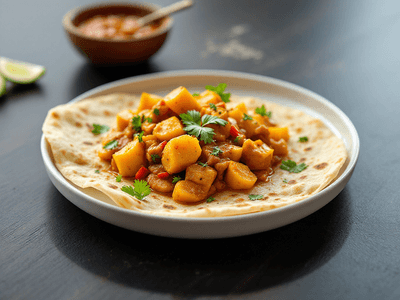
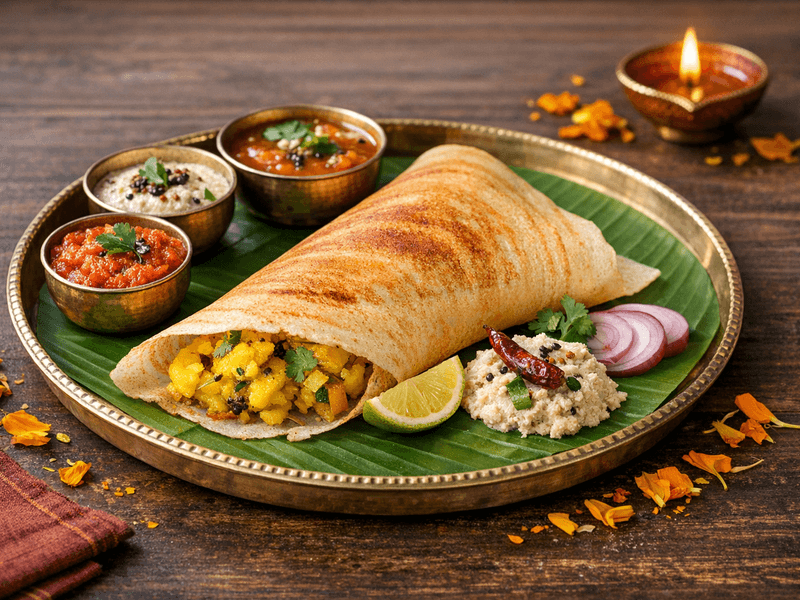
📸 Image coming soon for Ragi Sweet Pongal (vrat)
Ragi Sweet Pongal (vrat)
Desserts • India
How to Make Ragi Sweet Pongal (vrat) (Traditional & Healthy Version)
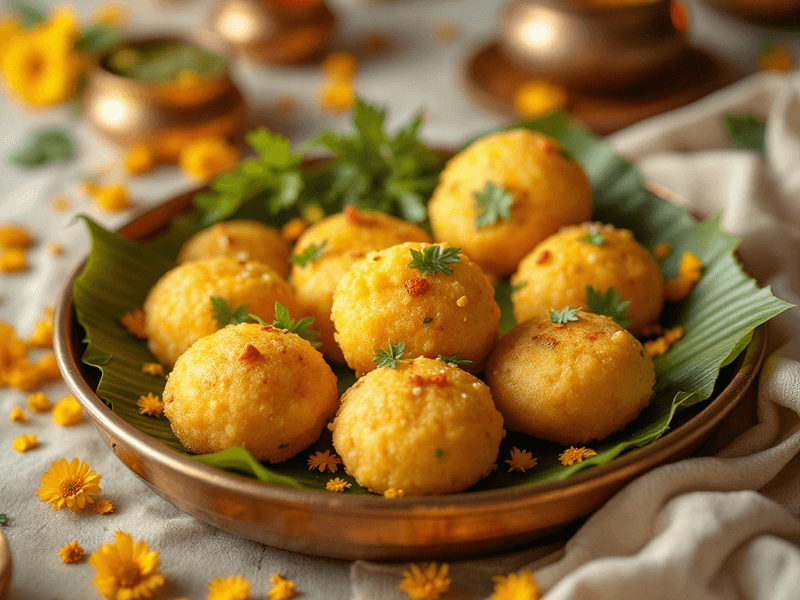
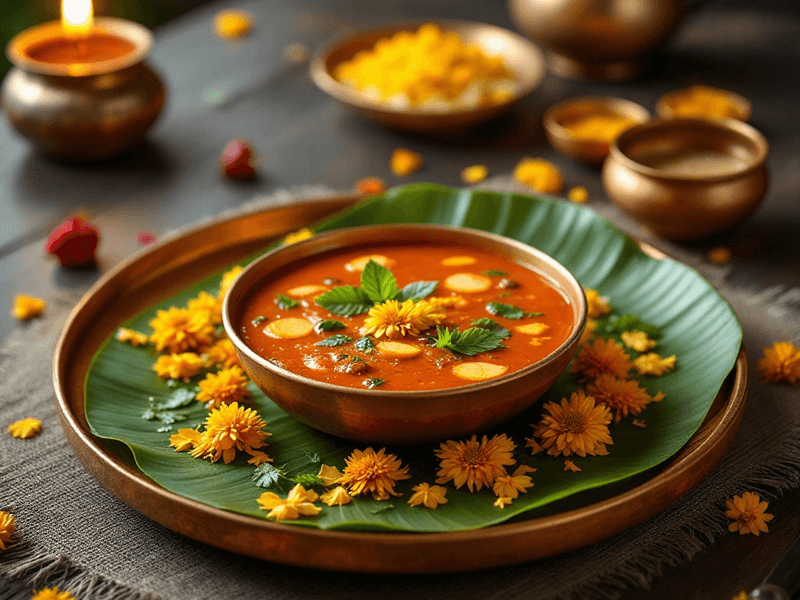
Ragi Sweet Pongal (vrat), also known as Nachni Pongal, is a wholesome South Indian dessert made during festivals like Makar Sankranti and Navratri. This nutritious sweet combines ragi (finger millet), moong dal, and jaggery, resulting in a dish that is both delicious and packed with health benefits. Ragi is a staple grain in Karnataka and Tamil Nadu, celebrated for its earthy flavor and high nutritional value. Sweet Pongal is traditionally prepared as an offering (prasad) during poojas and vrat (fasting) days, making it a beloved dish in many Indian households. The dish offers a wonderful blend of flavors—nutty, sweet, and aromatic, thanks to the use of cardamom and ghee. Ragi Sweet Pongal is naturally gluten-free and can be adapted for vegan diets, making it inclusive for most. Its soft, pudding-like texture and gentle sweetness make it a comforting choice for people of all ages. If you’re looking for a health-conscious Indian dessert that doesn’t compromise on authenticity or taste, this Ragi Sweet Pongal is the perfect choice.
Ingredients(for 1 medium bowl (about 200g))
- 1/2 cup Ragi flour (nachni atta) (finely ground finger millet)
- 1/4 cup Moong dal (yellow split lentils)
- 1/2 cup Jaggery (gur) (grated, adjust to taste)
- 2 cups Water
- 2 tsp Ghee (clarified butter)
- 1/2 tsp Cardamom powder (elaichi) (freshly ground)
- 6-8 Cashew nuts (broken)
- 1 tbsp Raisins (kishmish)
- 1 tbsp Grated coconut (fresh or desiccated) - optional
- 1/8 tsp A pinch of salt (optional, enhances sweetness) - optional
Instructions
- 1
Dry roast moong dal in a heavy-bottomed kadhai till golden and aromatic (about 3-4 minutes).
4 minutes
Roasting brings out the flavor and makes dal easier to digest.
- 2
Add 1 cup water to roasted dal and cook till soft, either in a pressure cooker (2 whistles) or open pan.
8 minutes
If using a cooker, add a few drops of ghee to prevent sticking.
- 3
Mix ragi flour in 1 cup water without lumps. Add this mixture to the cooked dal and stir continuously to avoid lumps.
3 minutes
Stir briskly to keep the texture smooth and creamy.
- 4
Cook on low flame for 5-6 minutes until ragi is cooked and the mixture thickens.
6 minutes
Cover and stir occasionally to prevent burning.
Why This Dish is Healthy
This Ragi Sweet Pongal is a healthy Indian dessert because it uses ragi, a millet known for its high calcium and fiber content, which supports bone health and digestion. Moong dal adds protein and balances the glycemic load. Jaggery is less processed than sugar, offering trace minerals. Minimal ghee is used for roasting, making it a lighter sweet option suitable for weight-conscious and diabetic diets.
Ragi Sweet Pongal is rich in complex carbohydrates, dietary fiber, and essential amino acids from ragi, supporting energy release and satiety. Moong dal provides plant-based protein and important minerals like magnesium and potassium. Jaggery is a natural sweetener rich in iron and antioxidants, making it a healthier alternative to refined sugar. The dish is low in fat, especially when ghee is used in moderation, and free from gluten, suiting various dietary preferences.
Pro Tips
- 💡Tip 1: Always roast moong dal for maximum flavor and digestibility.
- 💡Tip 2: Add jaggery only after switching off the flame to preserve its nutrients.
- 💡Tip 3: Use freshly ground cardamom for the best aroma in your Pongal.
Storage & Serving
Store leftover Ragi Sweet Pongal in an airtight container in the refrigerator for up to 2 days. Reheat gently with a splash of water or milk before serving.
Best served: Breakfast or Lunch
Nutrition Facts
| Nutrient | Per 100g |
|---|---|
| Energy | 210.0 kcal |