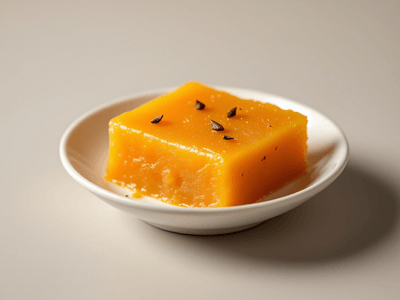
Kaseri Halwa
Desserts • India
How to Make Kaseri Halwa (Traditional & Healthy Version)
Kaseri Halwa, also known as Kesari Halwa or Suji Ka Halwa, is a beloved North Indian dessert that graces the tables during festivals like Diwali, Navratri, and Holi. This aromatic sweet treat is made primarily with suji (semolina), ghee, sugar, and kesar (saffron), giving it a rich golden hue and an irresistible fragrance. The dish is popular for its melt-in-the-mouth texture and is often garnished with roasted dry fruits like badam (almonds) and kaju (cashews) for added nutrition and crunch. In North India, Kaseri Halwa is traditionally served as a prasad during pujas and festive celebrations, signifying good fortune and prosperity. Its simple ingredients and easy preparation make it a go-to dessert for families across India, especially in Uttar Pradesh, Delhi, and Punjab. The combination of semolina, milk, and saffron delivers a delicate yet robust flavor profile, making it a favorite among both adults and children. Choosing a healthy version of Kaseri Halwa ensures you can indulge in this classic Indian sweet while keeping an eye on your calorie count—perfect for health-conscious foodies and those using IndianCalorie to track their nutrition.
Ingredients(for 1 medium bowl (about 150g))
- 1/2 cup Suji (semolina) (fine variety)
- 1 cup Low-fat milk (doodh)
- 2 tablespoons Ghee (clarified butter)
- 3 tablespoons Sugar (can use jaggery (gur) for healthier option)
- 5-6 strands Kesar (saffron) (soaked in 1 tablespoon warm milk)
- 1/4 teaspoon Cardamom powder (elaichi)
- 1 tablespoon Almonds (badam, slivered)
- 1 tablespoon Cashews (kaju, chopped)
- 1 teaspoon Raisins (kishmish) - optional
- 1/2 cup Water (for liquid balance)
Instructions
- 1
Heat ghee in a heavy-bottomed kadhai (pan) over medium flame. Add almonds, cashews, and raisins. Roast for 2-3 minutes until golden and fragrant.
3 minutes
Roasting dry fruits enhances flavor and nutrition.
- 2
Remove dry fruits and set aside. Add suji (semolina) to the remaining ghee. Roast until suji turns aromatic and slightly golden, stirring continuously to avoid burning.
5 minutes
Keep stirring to ensure even roasting and prevent lumps.
- 3
In a separate bowl, mix milk, water, saffron strands (soaked), and cardamom powder. Slowly add this mixture to the roasted suji, stirring vigorously to avoid lumps.
4 minutes
Add liquid in batches for smoother texture.
- 4
Cook the mixture on low flame, stirring constantly. Once the liquid is absorbed and the halwa thickens, add sugar. Stir until sugar dissolves completely.
5 minutes
Sugar can be replaced with jaggery for a healthier version.
Why This Dish is Healthy
This healthy Kaseri Halwa recipe uses minimal ghee and sugar, making it lower in calories and saturated fat compared to traditional versions. Adding low-fat milk increases protein content and calcium, supporting bone health. The inclusion of nuts provides heart-healthy fats and micronutrients, while saffron and cardamom are known for their antioxidant properties. This makes Kaseri Halwa a guilt-free indulgence suitable for festive occasions and everyday treats.
Kaseri Halwa made with suji and low-fat milk is a source of complex carbohydrates, providing sustained energy. The use of dry fruits like almonds and cashews adds healthy fats, vitamin E, and minerals such as magnesium, while saffron is rich in antioxidants. Cardamom aids digestion and imparts a refreshing aroma. Opting for less ghee and sugar makes this dessert lighter, while still delivering traditional flavor. Semolina is also a good source of protein compared to other grains, making this dessert suitable for vegetarians.
Pro Tips
- 💡Tip 1: Always roast suji on medium flame to avoid burning and ensure even texture.
- 💡Tip 2: Soak saffron strands in warm milk for deeper color and aroma.
- 💡Tip 3: Adjust sweetness and ghee based on dietary preferences—halwa remains delicious even with reduced sugar.
Storage & Serving
Store Kaseri Halwa in an airtight container in the refrigerator for up to 3 days. Reheat gently on tawa or microwave, adding a splash of milk to restore moisture.
Best served: Breakfast or Lunch
Nutrition Facts
| Nutrient | Per 100g |
|---|---|
| Energy | 280.0 kcal |