Sambar Dal
Dal & Lentils • India
How to Make Sambar Dal (Traditional & Healthy Version)
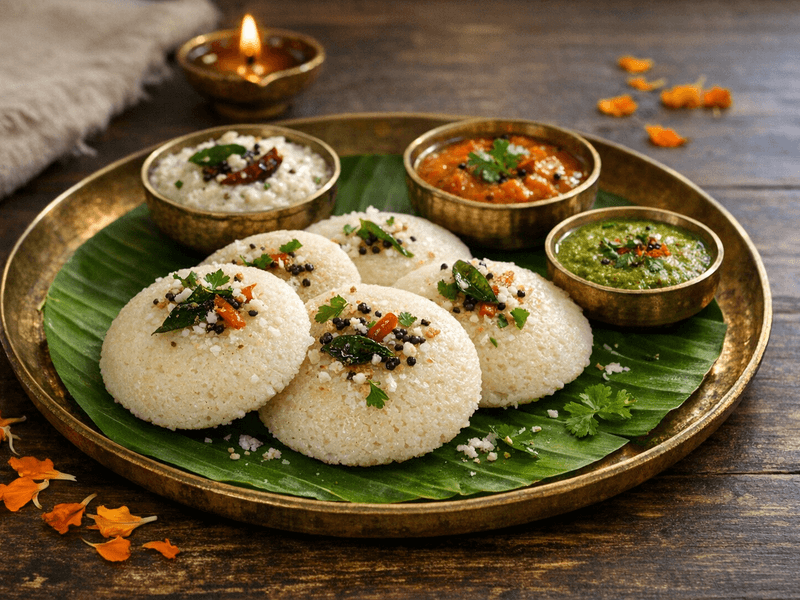
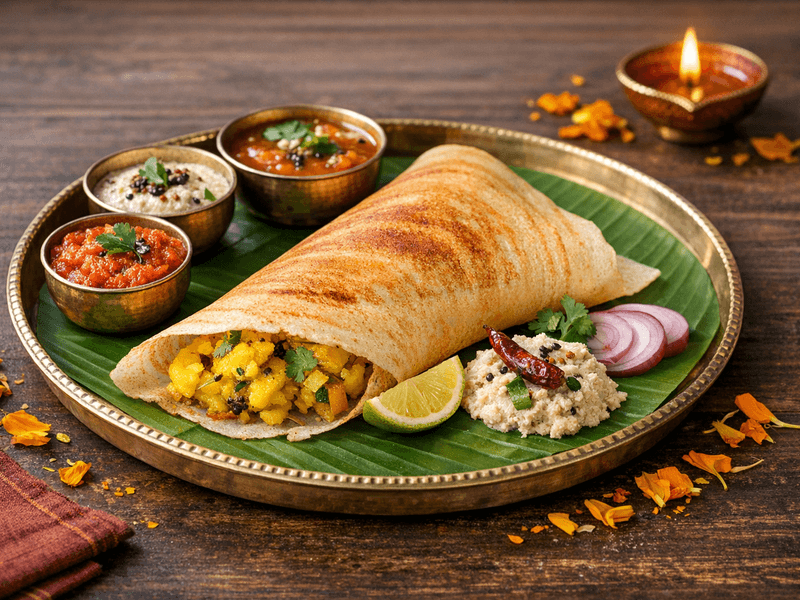
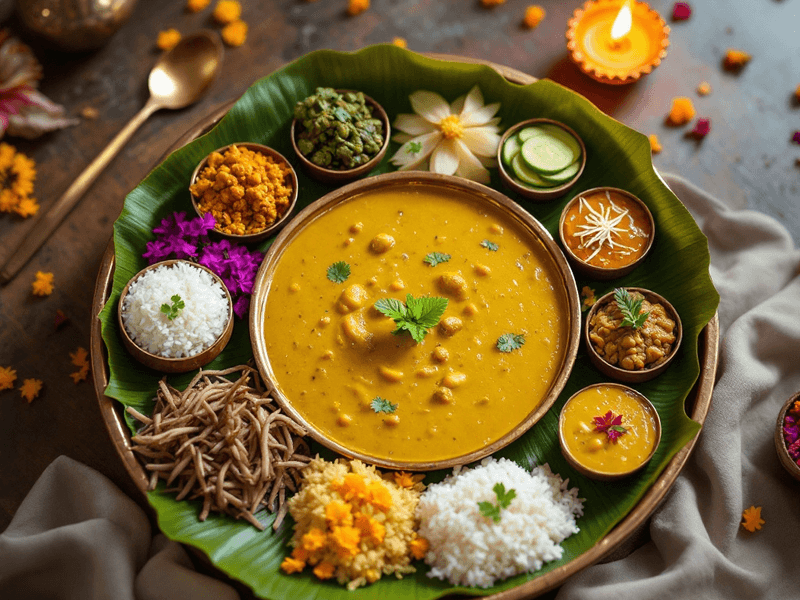
Sambar Dal is a quintessential South Indian dish, cherished across states like Tamil Nadu, Kerala, Karnataka, and Andhra Pradesh. Traditionally served as a snack or side, Sambar Dal combines protein-rich dal (lentils) with a vibrant mix of seasonal vegetables and aromatic spices. Its origins trace back to the Maratha rulers in Tanjore, who popularized this tangy, comforting stew. The signature flavor comes from sambar powder and tamarind pulp, creating a mildly spicy, earthy taste that's warming and satisfying. Enjoyed with idli, dosa, rice, or even as a standalone snack, Sambar Dal is a staple in South Indian households, bringing families together over wholesome meals. The dish is naturally vegetarian and packed with nutrients, making it ideal for calorie-conscious eaters. Sambar Dal is not only delicious but also supports a balanced diet thanks to its blend of dal, fiber-rich veggies, and minimal oil. Its versatility allows it to be adapted for different dietary needs, making it a go-to meal for weight watchers, diabetics, and children alike. With its robust flavors and health benefits, Sambar Dal truly embodies the spirit of South Indian cuisine and culture, offering comfort and nourishment in every spoonful.
Ingredients(for 1 katori sambar dal)
- 1/2 cup Toor dal (arhar dal) (split pigeon peas)
- 1 small Carrot (diced)
- 1 Drumstick (moringa) (cut into 2-inch pieces)
- 1 small Brinjal (eggplant) (cubed)
- 1 medium Tomato (chopped)
- 1 small Onion (sliced)
- 1 tablespoon Tamarind pulp (imli)
- 2 teaspoons Sambar powder (authentic South Indian blend)
- 1/4 teaspoon Turmeric powder (haldi)
- to taste Salt
- 1/2 teaspoon Mustard seeds (rai)
- 6-8 Curry leaves (fresh)
- 1 Green chili (slit) - optional
- 1 teaspoon Oil (preferably cold-pressed)
- 1 tablespoon Coriander leaves (chopped for garnish) - optional
Instructions
- 1
Wash toor dal thoroughly and pressure cook with 2 cups water and turmeric powder for 10-12 minutes until soft.
12 minutes
Soaking dal for 10 minutes before cooking reduces cook time and improves texture.
- 2
While dal cooks, chop all vegetables: carrot, drumstick, brinjal, tomato, and onion.
5 minutes
Use fresh, seasonal vegetables for best flavor and nutrition.
- 3
In a deep pan, heat oil. Add mustard seeds; let them splutter. Add curry leaves and green chili. Sauté onions until translucent.
3 minutes
Use minimal oil for a lighter dish; add a pinch of asafoetida (hing) if desired.
- 4
Add chopped vegetables, sauté for 2-3 minutes. Pour in 1 cup water and cook until vegetables are just tender.
5 minutes
Do not overcook vegetables; they should retain slight crunch for texture.
Why This Dish is Healthy
Sambar Dal is a healthy option due to its high protein and fiber content, which promote satiety and digestive health. The combination of lentils and vegetables provides complex carbohydrates for sustained energy, while the low oil content ensures fewer calories. Spices like turmeric and curry leaves boost immunity and metabolism. This dish is vegetarian, easily adaptable for vegan diets, and suitable for diabetics and weight watchers, making it a nutritional powerhouse in Indian cuisine.
Sambar Dal is rich in plant-based protein from toor dal, dietary fiber from assorted vegetables, and essential vitamins like vitamin A, C, and folate. The blend of spices such as turmeric and mustard seeds offer antioxidant and anti-inflammatory properties. Tamarind adds minerals like potassium and magnesium, while the dish is low in saturated fat and cholesterol, making it heart-healthy. The use of minimal oil helps keep the calorie count low, ideal for weight management. With a good balance of macros and micronutrients, Sambar Dal is a wholesome choice for all age groups.
Pro Tips
- 💡Tip 1: Use fresh sambar powder for authentic flavor
- 💡Tip 2: Always simmer sambar after adding tamarind to avoid raw taste
- 💡Tip 3: Add a pinch of jaggery for subtle sweetness if desired
Storage & Serving
Keeps for 6-8 hours at room temperature. Refrigerate for up to 2 days.
Best served: Breakfast or Lunch
Nutrition Facts
| Nutrient | Per 100g |
|---|---|
| Energy | 65.0 kcal |
| Protein | 3.0 g |
| Carbohydrates | 11.0 g |
| Total Fat | 1.0 g |
| Fiber | 2.0 g |
| Sugars | 2.2 g |
| Sodium | 320.0 mg |
| Potassium | 210.0 mg |
| Cholesterol | 0.0 mg |
| Vitamin A | 340.0 IU |
| Vitamin C | 7.0 mg |
| Calcium | 38.0 mg |
| Iron | 1.2 mg |
| Magnesium | 28.0 mg |
| Zinc | 0.6 mg |
| Phosphorus | 65.0 mg |
| Vitamin D | 0.0 IU |
| Vitamin B1 (Thiamine) | 0.1 mg |
| Vitamin B2 (Riboflavin) | 0.0 mg |
| Vitamin B3 (Niacin) | 0.6 mg |
| Vitamin B6 | 0.1 mg |
| Vitamin B12 | 0.0 µg |
| Folate | 28.0 µg |