Plain Sooji Upma
Breakfast • India
How to Make Plain Sooji Upma (Traditional & Healthy Version)
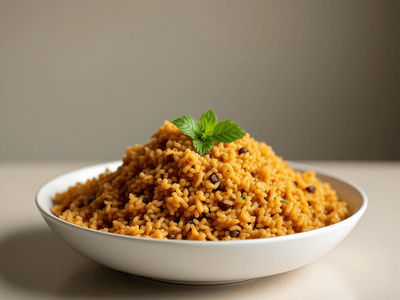
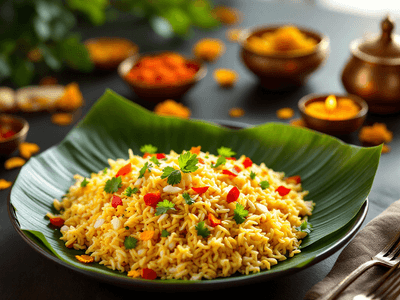
Plain Sooji Upma, also called Rava Upma, is a classic South Indian breakfast dish enjoyed across India for its simplicity, taste, and quick preparation. Originating from the kitchens of Tamil Nadu, Karnataka, and Andhra Pradesh, Upma is made from roasted semolina (sooji/rava) cooked with tempering of mustard seeds, curry leaves, and mild spices. This nurturing dish has found a special place on Indian breakfast tables, especially during busy mornings or as a light evening tiffin. Its warm, savory flavor, soft texture, and subtle aroma of ghee and curry leaves evoke a sense of comfort and nostalgia for many. Plain Sooji Upma is not just a staple for daily meals but also features during festivals like Navratri and Pongal when families seek quick, wholesome, and sattvic (pure) dishes. Its adaptability allows for numerous regional variations, making it a beloved choice from Chennai to Mumbai. The health-conscious will appreciate its moderate calorie profile, while its ease of digestion makes it suitable for all age groups, including children and seniors. Serve upma with coconut chutney or a squeeze of nimbu (lemon) for a true Indian breakfast experience.
Ingredients(for 1 medium bowl (approx. 180g))
- 1 cup Sooji (semolina/rava) (fine variety)
- 2 cups Water
- 1 small Onion (finely chopped; optional for plain version) - optional
- 1 Green chilli (finely chopped)
- 1/2 inch Ginger (finely chopped) - optional
- 1/2 tsp Mustard seeds (rai)
- 1 tsp Split urad dal
- 8-10 Curry leaves (fresh; called 'kadi patta')
- 1 tbsp Ghee or oil (use oil for vegan)
- to taste Salt
- 1 tbsp Coriander leaves (chopped; for garnish) - optional
- 1/2 Lemon (nimbu) (for squeezing) - optional
Instructions
- 1
Heat a heavy-bottomed kadhai or pan. Add the sooji and dry roast on low-medium flame until it turns aromatic and lightly golden. Stir continuously to avoid burning. Transfer to a plate to cool.
5 minutes
Do not over-roast; this step enhances flavor and prevents sticky upma.
- 2
In the same kadhai, heat ghee or oil. Add mustard seeds and let them splutter. Add split urad dal and sauté till golden brown.
3 minutes
Tempering is key; it adds authentic South Indian flavor.
- 3
Add chopped green chilli, ginger, and curry leaves. Sauté for 1 minute until fragrant. If using onions, add now and cook until translucent.
3 minutes
Adjust green chilli for desired spice level.
- 4
Pour in 2 cups of water and add salt. Increase the flame and allow the water to come to a rolling boil.
2 minutes
Boiling water ensures lump-free upma.
Why This Dish is Healthy
This dish is steamed rather than fried, minimizing excess oil and calories. Its simple ingredient list means no hidden preservatives or artificial additives. Sooji Upma is easy to digest and light on the stomach, making it ideal for breakfast or post-fasting meals. The use of whole spices, curry leaves, and minimal oil increases its nutritional value while keeping the flavor authentic. For a healthier version, use less ghee and add steamed vegetables for extra nutrients and fiber.
Plain Sooji Upma is a wholesome Indian breakfast rich in complex carbohydrates, providing sustained energy for your morning. Semolina (sooji) is a good source of iron, B vitamins, and magnesium, supporting overall metabolism and nerve health. The addition of curry leaves and ginger contributes antioxidants and aids digestion. Using moderate ghee or heart-healthy oils keeps the fat content in check while enhancing taste. Upma is naturally low in sugar and cholesterol, making it suitable for most diets. Add chopped veggies for extra fiber, vitamins, and minerals.
Pro Tips
- 💡Tip 1: Always roast sooji well for non-sticky, fluffy upma.
- 💡Tip 2: For extra flavor, add a pinch of hing (asafoetida) during tempering.
- 💡Tip 3: Adjust water quantity for desired texture—less water for grainier upma, more for a softer texture.
Storage & Serving
Store leftover upma in an airtight container in the refrigerator for up to 2 days. Reheat with a sprinkle of water on a tawa or in a microwave to restore moisture and softness.
Best served: Breakfast or Lunch
Nutrition Facts
| Nutrient | Per 100g |
|---|---|
| Energy | 200.0 kcal |