Rice Dosa with Sambar
Breakfast • India
How to Make Rice Dosa with Sambar (Traditional & Healthy Version)
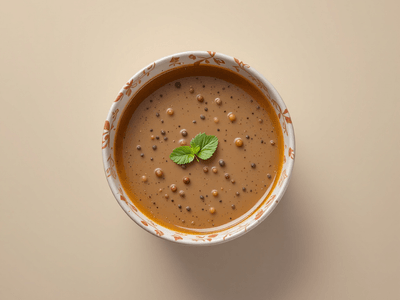
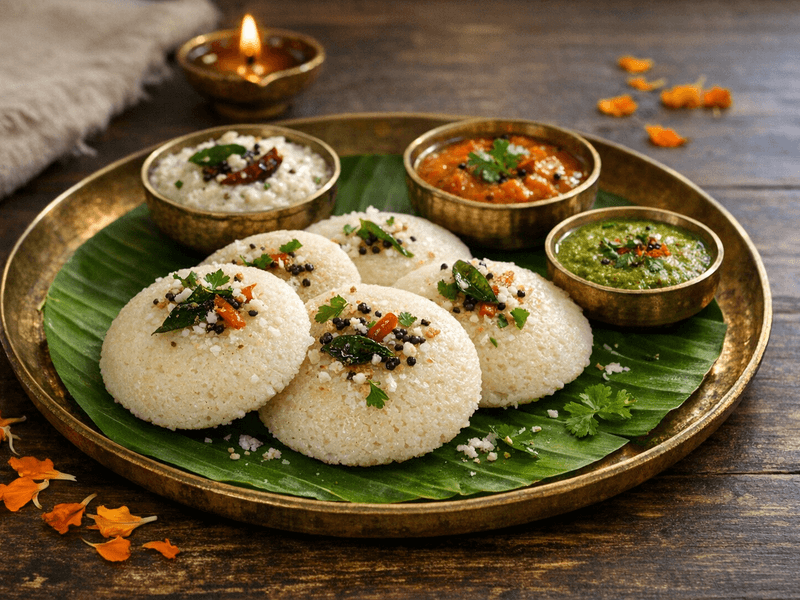
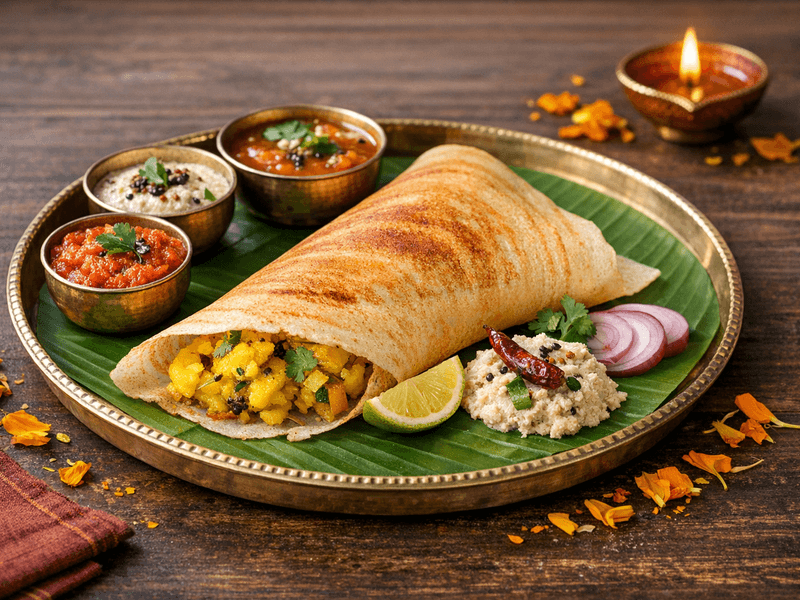
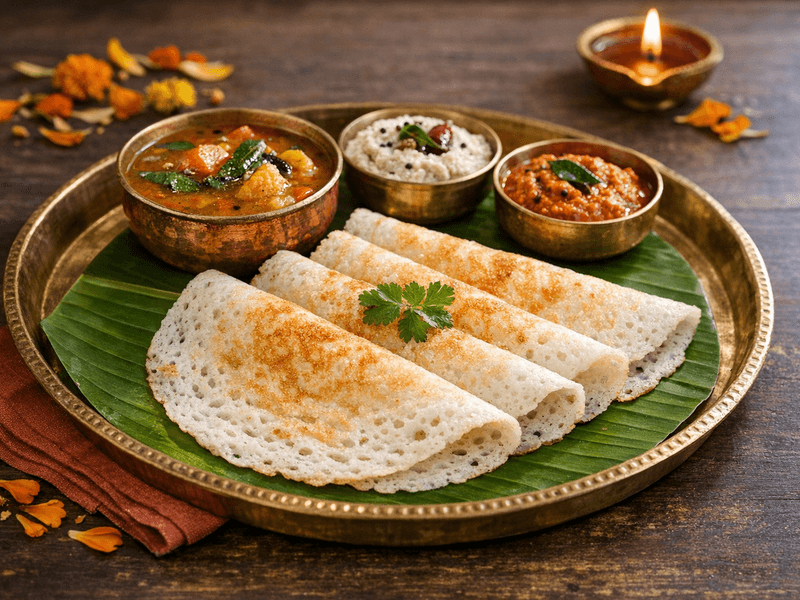
Rice Dosa with Sambar is a classic South Indian breakfast that has been cherished across generations for its simplicity, nutritional value, and delicious taste. Originating from the states of Tamil Nadu, Karnataka, and Andhra Pradesh, dosa is a thin, crisp pancake made from fermented rice and urad dal (black gram), cooked on a 'tawa' griddle. Paired with sambar—a hearty, protein-rich lentil stew cooked with assorted vegetables and aromatic spices—this meal embodies the essence of South Indian cuisine. The tangy and spicy flavors of sambar contrast beautifully with the mild, crispy dosa, creating a harmony of taste and texture that is enjoyed in homes and restaurants alike. Rice Dosa with Sambar is more than just a meal; it is a part of India's morning rituals, especially in the southern regions. Often served during festivals like Pongal and Diwali, this dish symbolizes hospitality and tradition. Its vegetarian nature and adaptability make it ideal for diverse dietary preferences, from vegan to diabetic-friendly. The fermentation process not only enhances flavor but also boosts the digestibility and nutritional profile of the dosa, making it a healthy start to the day. Whether relished with coconut chutney or alone, Rice Dosa with Sambar remains a staple breakfast, loved for its rich cultural roots and wholesome goodness.
Ingredients(for 2 medium Rice Dosa with 1 bowl Sambar)
- 1 cup Rice (Chawal)
- 1/4 cup Urad Dal (Split black gram)
- 1/2 tsp Fenugreek Seeds (Methi dana)
- 1.5 cups Water
- 1 tsp Salt (Namak)
- 2 tsp Oil (For greasing tawa)
- 1/2 cup Toor Dal (Arhar dal for Sambar)
- 1 tbsp Sambar Powder (Local spice mix)
- 1 cup Mixed Vegetables (Carrot, drumstick, pumpkin, brinjal)
- 1 tbsp Tamarind Pulp (Imli)
- 1/2 tsp Mustard Seeds (Rai)
- 8-10 leaves Curry Leaves (Kadi patta)
- 1 medium Onion (Sliced)
- 2 Green Chilies (Chopped) - optional
Instructions
- 1
Wash rice, urad dal, and fenugreek seeds thoroughly. Soak them in water for at least 4 hours or overnight for best fermentation.
5 minutes
Use filtered water for soaking to improve fermentation.
- 2
Drain and grind the soaked mixture to a smooth batter using minimal water. Add salt and let the batter ferment in a warm place for 8-10 hours.
5 minutes
Ferment in a steel vessel for better results; avoid airtight containers.
- 3
For sambar, pressure cook toor dal with turmeric until soft. Set aside.
10 minutes
Mash dal well for a creamy sambar.
- 4
In a pan, heat oil and add mustard seeds, curry leaves, and onions. Sauté until onions turn translucent, then add mixed vegetables, sambar powder, and tamarind pulp. Cook till veggies are tender.
5 minutes
Add vegetables in order of cooking time, starting with the hardest.
Why This Dish is Healthy
This wholesome meal is packed with plant-based protein, fiber, and antioxidants. The combination of fermented dosa batter and nutrient-rich sambar makes it ideal for weight management, blood sugar control, and sustained energy. Using minimal oil and a variety of vegetables further enhances its health quotient, making it a perfect breakfast for those tracking calories.
Rice Dosa with Sambar is rich in protein from urad dal and toor dal, complex carbohydrates from rice, and dietary fiber from mixed vegetables. Sambar provides essential vitamins (A, C) and minerals (iron, calcium), supporting immunity and digestion. Fermentation boosts probiotics, enhancing gut health. The dish is naturally low in saturated fat and cholesterol, making it heart-friendly. Portion control ensures calorie management.
Pro Tips
- 💡Tip 1: Ensure proper fermentation of dosa batter for light and crisp dosas.
- 💡Tip 2: Use seasonal vegetables in sambar for maximum nutrition and flavor.
- 💡Tip 3: Adjust sambar thickness by the amount of water added—thicker for dipping, thinner for sipping.
Storage & Serving
Dosa batter can be refrigerated for up to 3 days. Sambar can be stored in an airtight container in the refrigerator for 2 days. Reheat before serving; avoid storing cooked dosa as it loses crispness.
Best served: Breakfast or Lunch
Nutrition Facts
| Nutrient | Per 100g |
|---|---|
| Energy | 210.0 kcal |