Rava Upma Without Onion
Breakfast • India
How to Make Rava Upma Without Onion (Traditional & Healthy Version)
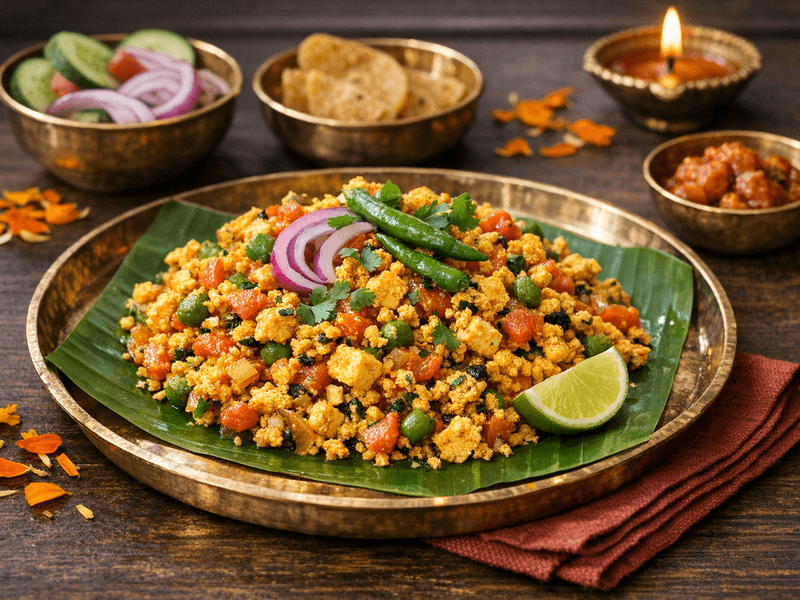
Rava Upma Without Onion is a beloved South Indian breakfast dish, cherished for its ease of preparation, light yet satiating texture, and delightful flavors. 'Rava' refers to semolina, popularly known as 'suji' in Hindi, which forms the base of this dish. Upma is a staple in many households, especially in Tamil Nadu, Karnataka, and Andhra Pradesh, where it is served during busy mornings, family gatherings, and festive occasions such as Pongal or Ugadi. This onion-free version caters to those who avoid onions for religious or dietary reasons, making it perfect for vrat (fasting) days and temple offerings. Upma is characterized by its soft, fluffy texture, fragrant tempering of mustard seeds, curry leaves (kadi patta), and a medley of vegetables. Its subtle flavors are elevated by roasted cashews and the gentle heat from green chillies. The absence of onion does not compromise its taste; instead, it allows the other ingredients to shine. Rava Upma is often paired with coconut chutney or sambar, making for a wholesome and nourishing meal. Its versatility and quick preparation make it a go-to choice for busy mornings across India. This dish not only offers nostalgia and comfort but also aligns with health-conscious lifestyles. Using minimal oil, nutrient-rich vegetables, and suji, Rava Upma Without Onion fits perfectly into a balanced vegetarian Indian diet. It is easy on the digestive system and can be enjoyed by all age groups, making it a favorite during festivals, family breakfasts, and even as a light dinner.
Ingredients(for 1 medium bowl per person)
- 1 cup Rava (suji/semolina) (fine variety)
- 2.5 cups Water (for cooking)
- 1 tablespoon Ghee (clarified butter)
- 1 teaspoon Mustard seeds (rai)
- 10 leaves Curry leaves (kadi patta)
- 2 Green chillies (finely chopped)
- 1 teaspoon Urad dal (split black gram)
- 8 Cashews (halved) - optional
- 1/4 cup Carrot (finely chopped)
- 1/4 cup Peas (fresh/frozen)
- to taste Salt
- 1 teaspoon Lemon juice (optional, for tang) - optional
- 1 tablespoon Coriander leaves (finely chopped) - optional
Instructions
- 1
Dry roast the rava (suji) in a kadhai or tawa on medium heat until it turns aromatic and slightly golden. Set aside.
5 minutes
Roasting prevents stickiness and enhances flavor.
- 2
Heat ghee in the same kadhai. Add mustard seeds and let them splutter. Add urad dal, fry until golden.
2 minutes
Ensure dal is golden, not burnt, for crunch.
- 3
Add cashew nuts and fry till they turn light golden. Add green chillies and curry leaves, sauté for a minute.
2 minutes
Cashews add richness, can be skipped for lower fat.
- 4
Add chopped carrots and peas. Stir and cook for 2-3 minutes until vegetables are slightly tender.
3 minutes
Use seasonal vegetables for variety and nutrition.
Why This Dish is Healthy
This upma recipe uses minimal ghee, plenty of vegetables, and avoids onion, making it suitable for fasting and low-calorie diets. Suji is a source of energy without excess fat, and the combination of urad dal and vegetables ensures a balanced meal. With low cholesterol and high fiber, it supports weight management and digestive health. Its adaptability allows for increased nutrition by adding more veggies or using less ghee.
Rava Upma Without Onion is low in fat and provides complex carbohydrates from suji, supporting sustained energy. The inclusion of vegetables like carrots and peas increases vitamin A, C, and fiber content. Urad dal adds a touch of protein, while ghee offers healthy fats and enhances absorption of fat-soluble vitamins. Cashews contribute magnesium and zinc. The dish is easy to digest and suitable for all age groups, making it a nutritious addition to breakfast routines.
Pro Tips
- 💡Tip 1: Always roast rava well to avoid sticky upma.
- 💡Tip 2: Stir continuously while adding rava to prevent lumps.
- 💡Tip 3: Add lemon juice after turning off the flame for fresh flavor.
Storage & Serving
Store leftover upma in an airtight container in the refrigerator for up to 2 days. Reheat on a tawa or in a microwave, adding a splash of water to restore moisture.
Best served: Breakfast or Lunch
Nutrition Facts
| Nutrient | Per 100g |
|---|---|
| Energy | 210.0 kcal |