Rava Upma
Breakfast • India
How to Make Rava Upma (Traditional & Healthy Version)
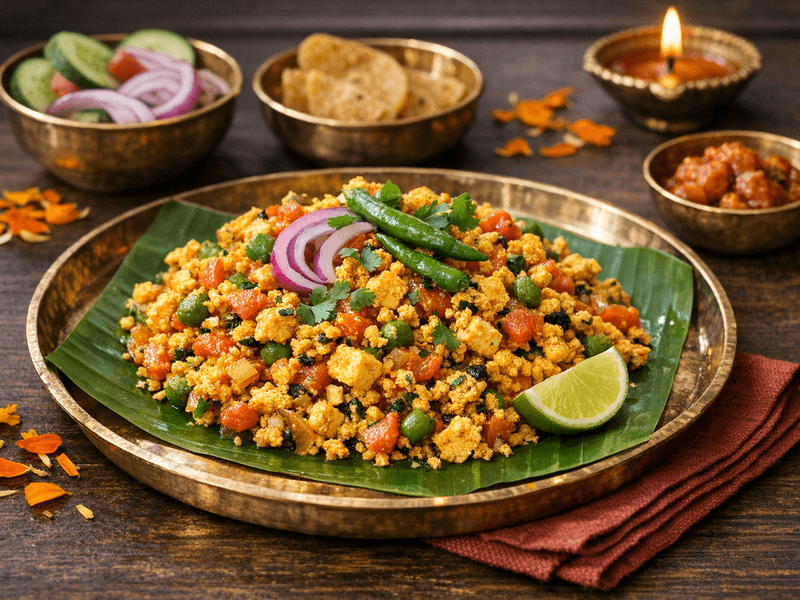
Rava Upma is a classic South Indian breakfast dish made from roasted semolina (known as 'rava' or 'suji'), fresh vegetables, and a tempering of aromatic spices. This savory porridge is a staple in many homes across India, especially in Karnataka, Tamil Nadu, Andhra Pradesh, and Kerala. It is cherished for its simplicity, quick preparation, and comforting taste. Upma is a go-to breakfast for busy mornings and is often served with coconut chutney or sambar for an extra burst of flavor. The origins of Rava Upma date back centuries, making it an integral part of Indian culinary heritage. Its mild yet flavorful profile appeals to all age groups and is easily adaptable with local ingredients. During festivals like Ugadi and Pongal, Upma is sometimes prepared as a wholesome breakfast before the day’s celebrations. Its versatility, ease of preparation, and nutritional value make Rava Upma a beloved dish across India. Packed with nutrients from vegetables and the wholesome goodness of rava, this dish strikes a balance between taste and health. Whether enjoyed on a weekday morning or as a light evening tiffin, Rava Upma is a delightful way to begin your day the Indian way.
Ingredients(for 1 medium bowl (approx. 200g))
- 1 cup Rava (semolina/suji) (medium grain)
- 2 cups Water
- 1 small Onion (finely chopped (pyaaz))
- 1/2 small Carrot (finely chopped (gajar))
- 1/4 cup Green peas (fresh or frozen (matar))
- 1 Green chili (finely chopped (hari mirch))
- 1/2 inch Ginger (finely chopped (adrak))
- 1/2 tsp Mustard seeds (rai)
- 1 tsp Urad dal (split black gram)
- 1 tsp Chana dal (split Bengal gram)
- 8-10 Curry leaves (kadi patta)
- 6-8 Cashew nuts (optional, broken (kaju)) - optional
- 2 tsp Oil (preferably cold-pressed)
- to taste Salt
- 1 tbsp Coriander leaves (fresh, chopped (dhaniya)) - optional
- 1 tsp Lemon juice (for garnish (nimbu ras)) - optional
Instructions
- 1
Dry roast the rava (semolina) in a heavy-bottomed kadhai or pan on medium heat for 4-5 minutes until it turns aromatic and lightly golden. Stir continuously to avoid burning. Transfer to a plate and set aside.
5 minutes
Roasting rava well ensures non-sticky, fluffy upma.
- 2
Heat oil in the same pan. Add mustard seeds (rai) and let them splutter. Add urad dal and chana dal. Sauté until the dals turn light golden.
2 minutes
Tempering adds authentic South Indian flavor.
- 3
Add chopped green chili, ginger, and curry leaves. Sauté for a minute until fragrant. Add cashew nuts if using, and fry until golden.
2 minutes
Adding cashews enhances taste and texture.
- 4
Add finely chopped onion and sauté until translucent. Then add carrots and green peas. Cook for 2-3 minutes until vegetables soften slightly.
4 minutes
Use seasonal vegetables for more nutrition.
Why This Dish is Healthy
This healthy Rava Upma recipe is low in saturated fat, contains no cholesterol, and is naturally vegetarian. The use of nutrient-rich vegetables and minimal oil makes it suitable for weight management and a balanced diet. It is light on the stomach, easy to digest, and keeps you full for longer without excess calories. The combination of complex carbs and protein supports steady energy levels throughout the day.
Rava Upma is a balanced dish, providing a good mix of carbohydrates from semolina, plant-based protein from dals and peas, and dietary fiber and vitamins from fresh vegetables. It contains essential minerals like iron, magnesium, and B-vitamins. The use of minimal oil and the inclusion of seasonal veggies make it heart-healthy. Cashew nuts add healthy fats if included in moderation. For an added boost, use whole wheat rava for extra fiber.
Pro Tips
- 💡Roast rava evenly to prevent sticky upma.
- 💡Add hot water instead of cold for a faster, fluffier texture.
- 💡Use seasonal vegetables like beans, capsicum, or tomatoes for extra nutrients.
Storage & Serving
Rava Upma is best enjoyed fresh but can be refrigerated in an airtight container for up to 2 days. Reheat with a splash of water in a covered pan to restore moisture and fluffiness.
Best served: Breakfast or Lunch
Nutrition Facts
| Nutrient | Per 100g |
|---|---|
| Energy | 220.0 kcal |