Radhaballabhi
Breakfast • India
About Radhaballabhi
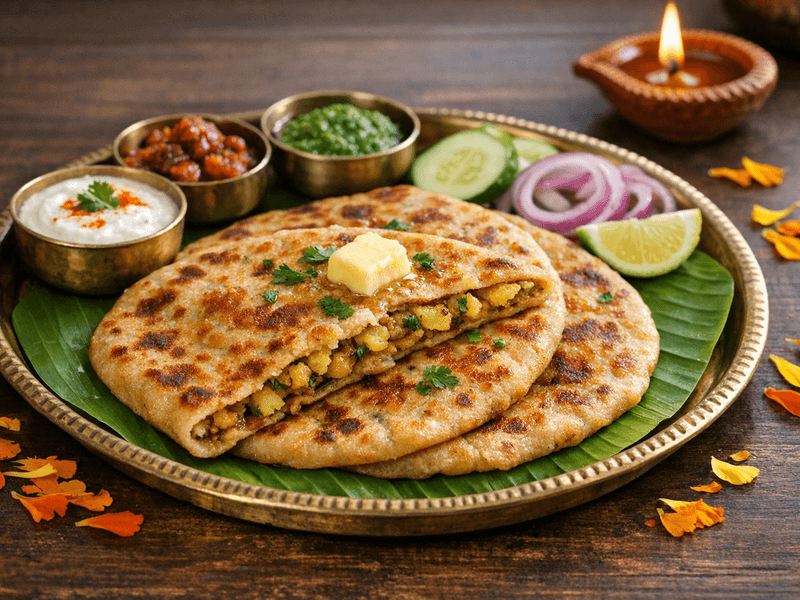
Soft, stuffed Bengali fried bread with urad-dal filling, usually gentler and fluffier than many kachoris. Popular with cholar dal.
How to Make Radhaballabhi (Traditional & Healthy Version)
Radhaballabhi is a classic Bengali breakfast delicacy, cherished across East India for its soft, stuffed texture and aromatic flavors. Traditionally served during special occasions, this dish features a fluffy puri (deep-fried bread) made from atta (whole wheat flour), filled with a spiced urad dal (split black gram) mixture. Radhaballabhi is a staple in Bengali households, especially during festivals like Durga Puja and family gatherings. The mild, aromatic filling is seasoned with hing (asafoetida), fennel, and ginger, imparting a distinct taste that perfectly complements the crisp puri shell. This healthy adaptation of Radhaballabhi retains its authentic taste while using less oil and whole wheat flour to make it lighter and more nutritious. Served commonly with aloor torkari (potato curry), it’s a comforting and satisfying vegetarian breakfast that brings a taste of Bengal’s rich culinary heritage to your table. Its subtle flavors and fulfilling nature make it a favorite among all age groups, from children to elders. If you’re looking for a wholesome, festive Indian breakfast, Radhaballabhi is an excellent choice.
Ingredients(for 2 medium puris (stuffed and fried), approx. 90g each)
- 1 cup Atta (whole wheat flour) (for dough)
- 1/3 cup Urad dal (split black gram) (soaked for 2 hours)
- 1 inch Ginger (grated)
- 1 Green chili (finely chopped) - optional
- 1 tsp Fennel seeds (saunf) (coarsely crushed)
- 1/4 tsp Hing (asafoetida) (for flavor)
- to taste Salt
- 1/2 tsp Sugar (optional, for mild sweetness) - optional
- 2 tbsp Refined oil (for dough & shallow frying)
- as needed Water (for dough and dal paste)
Instructions
- 1
Soak urad dal in water for at least 2 hours. Drain and grind into a coarse paste with ginger, green chili (if using), and minimal water.
5 minutes
Do not add too much water; a thick paste prevents soggy filling.
- 2
Heat 1 tsp oil in a pan. Add hing and fennel seeds. Sauté for a few seconds, then add the urad dal paste. Cook for 4-5 minutes until the mixture is dry, aromatic, and leaves the sides of the pan. Add salt and sugar if using. Cool the mixture.
7 minutes
Keep stirring to prevent burning and ensure even cooking.
- 3
In a mixing bowl, combine atta, 1 tbsp oil, and salt. Gradually add water to make a soft, pliable dough. Cover and rest for 10 minutes.
10 minutes
Resting the dough makes puris softer and easier to roll.
- 4
Divide the dough and dal filling into equal small balls (4 each). Flatten a dough ball, place a portion of filling in the center, and pinch the edges to seal. Gently flatten again.
5 minutes
Seal tightly to prevent filling from leaking during frying.
Why This Dish is Healthy
This dish is health-conscious as it uses whole wheat flour and urad dal, both highly nutritious. Atta provides complex carbs and fiber, aiding fullness and gut health, while urad dal delivers plant-based protein for muscle maintenance. By shallow frying instead of deep frying and controlling oil quantity, the calorie count is kept moderate, making Radhaballabhi a smart choice for a balanced Indian breakfast.
Radhaballabhi offers a balanced combination of carbohydrates, protein, and healthy fats. Using atta instead of maida boosts fiber and micronutrient content, aiding digestion and satiety. Urad dal is rich in protein, iron, potassium, and B vitamins, making it beneficial for muscle repair and energy. The use of minimal oil and aromatic spices like fennel and hing adds flavor without excess calories or sodium, supporting heart health and metabolism.
Pro Tips
- 💡Tip 1: For extra fluffiness, add a pinch of baking soda to the dough.
- 💡Tip 2: Ensure the filling is dry to avoid soggy puris.
- 💡Tip 3: Roll gently to prevent the stuffing from breaking through the dough.
Storage & Serving
Radhaballabhi is best enjoyed fresh, but leftovers can be stored in an airtight container at room temperature for up to 12 hours or refrigerated for 1 day. Reheat on a tawa before serving to restore softness.
Best served: Breakfast or Lunch
Nutrition Facts
| Nutrient | Per 100g |
|---|---|
| Energy | 310.0 kcal |
| Protein | 7.0 g |
| Carbohydrates | 44.0 g |
| Total Fat | 12.0 g |
| Fiber | 4.0 g |