Poha with Peanuts
Breakfast • India
How to Make Poha with Peanuts (Traditional & Healthy Version)
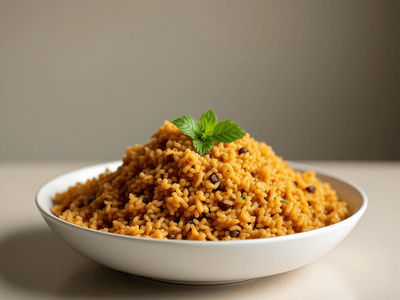
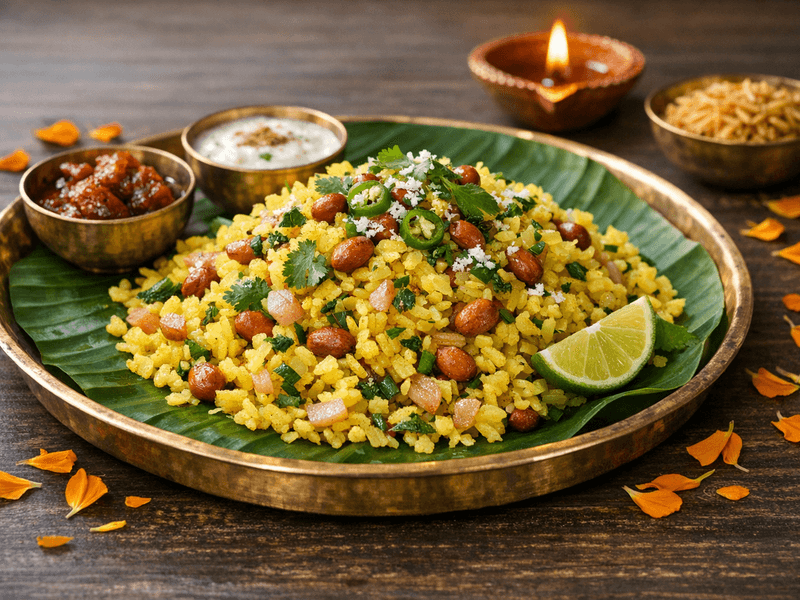
Poha with Peanuts is a beloved breakfast staple across West India, especially in Maharashtra and Gujarat. Made from flattened rice (chivda/poha), this dish is light yet filling, combining the earthy flavors of roasted peanuts (mungfali), aromatic spices, and fresh vegetables. Poha’s origins are deeply rooted in the kitchens of Mumbai, Pune, and Surat, where it is served hot with a squeeze of nimbu (lemon) and garnished with sev or fresh coriander. Its mild, comforting taste and quick preparation make it a favorite for busy mornings, festive gatherings like Ganesh Chaturthi or Diwali breakfast, and as a nourishing snack for all ages. The recipe uses minimal oil and features nutrient-rich ingredients such as curry leaves (kadi patta), turmeric (haldi), and green chilies (hari mirch). The addition of peanuts not only enhances the crunch and flavor but also boosts the protein content, making this dish ideal for health-conscious individuals. Poha with Peanuts is naturally vegetarian, easily vegan adaptable, and can be tailored to suit dietary preferences. Its versatility allows for regional twists—some add grated coconut, others mix in pomegranate arils or serve with yogurt. This authentic Indian breakfast is celebrated for its simplicity, taste, and wholesome nutrition.
Ingredients(for 1 plate (approx. 180g))
- 1 cup Poha (flattened rice) (चिवड़ा / पोहे)
- 1/4 cup Peanuts (मूंगफली)
- 1 medium, finely chopped Onion (प्याज)
- 2, finely chopped Green chilies (हरी मिर्च)
- 8-10 Curry leaves (कड़ी पत्ता)
- 1/2 tsp Mustard seeds (राय)
- 1/4 tsp Turmeric powder (हल्दी)
- to taste Salt (नमक)
- 1/2 tsp Sugar (optional, स्वादनुसार) - optional
- 1/2, juiced Lemon (निम्बू)
- 2 tbsp, chopped Fresh coriander leaves (धनिया)
- 1 tbsp Oil (तेल, preferably groundnut or sunflower)
Instructions
- 1
Rinse the poha gently in a colander under running water for 1-2 minutes. Drain and let it sit for 5 minutes to soften.
5 minutes
Do not over-soak or poha will become mushy; sprinkle water if needed.
- 2
Heat oil in a kadhai (wok) or tawa. Add peanuts and roast on medium flame until golden and crunchy. Remove and set aside.
5 minutes
Roast peanuts evenly for best flavor and crunch.
- 3
In the same pan, add mustard seeds. Once they splutter, add curry leaves and green chilies. Sauté for 1 minute.
2 minutes
Add a pinch of asafoetida (hing) for extra aroma, if desired.
- 4
Add chopped onions and sauté until translucent. Stir in turmeric powder and salt.
3 minutes
Do not brown onions; keep them soft for authentic taste.
Why This Dish is Healthy
This dish is a healthy breakfast option because it uses minimal oil and includes peanuts for protein and healthy fats. The inclusion of vegetables and spices boosts antioxidants and vitamins, supporting immunity and digestion. Poha’s low GI helps maintain steady energy levels, making it ideal for weight management, diabetes, and active lifestyles. Its wholesome ingredients make it nourishing yet light, perfect for a balanced Indian diet.
Poha with Peanuts provides a balanced mix of carbohydrates, protein, and healthy fats. Flattened rice is low in fat and easy to digest, making it suitable for all ages. Peanuts add plant-based protein and monounsaturated fats, supporting heart health. Onions, curry leaves, and green chilies offer vitamins A, C, and antioxidants, while turmeric has anti-inflammatory properties. The recipe is gluten-free (if using certified poha), vegetarian, and can be made vegan. It contains dietary fiber, essential minerals like magnesium and potassium, and is low in cholesterol.
Pro Tips
- 💡Tip 1: Use thick poha for best texture; thin poha tends to get mushy.
- 💡Tip 2: Adjust chilies and lemon to suit your taste and season.
- 💡Tip 3: Always roast peanuts separately to retain crunch and flavor.
Storage & Serving
Store leftover poha in an airtight container in the refrigerator for up to 24 hours. Reheat gently in a pan or microwave. Avoid freezing as poha loses texture.
Best served: Breakfast or Lunch
Nutrition Facts
| Nutrient | Per 100g |
|---|---|
| Energy | 280.0 kcal |