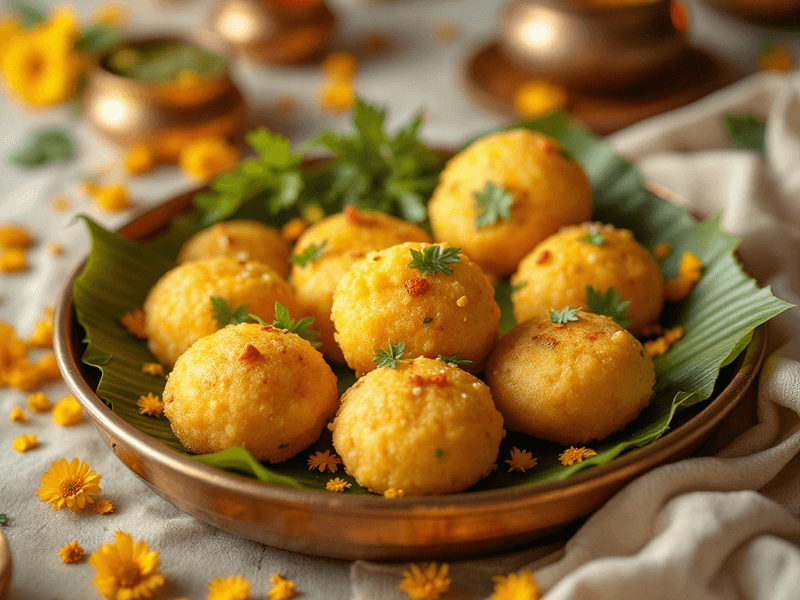
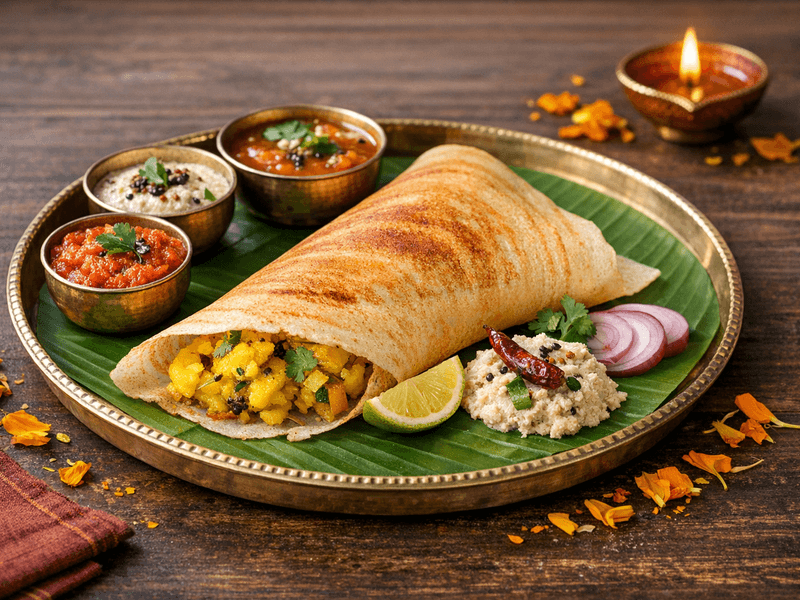
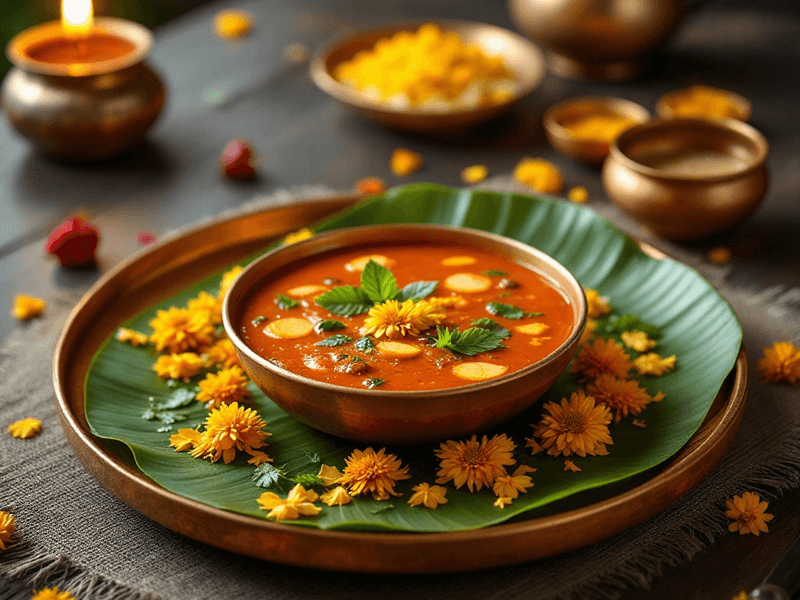
📸 Image coming soon for Plain Idli
Plain Idli
Breakfast • India
How to Make Plain Idli (Traditional & Healthy Version)
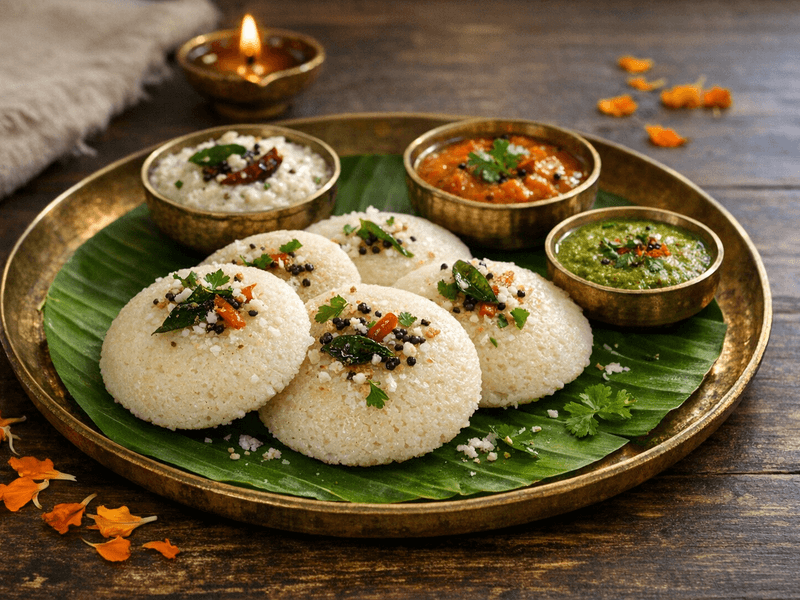
Plain Idli is a classic South Indian breakfast dish, cherished for its soft, pillowy texture and delicate taste. Originating from the southern states of Tamil Nadu and Karnataka, this steamed rice cake has become a staple across India, often served with coconut chutney and sambar. Its simplicity and lightness make it a favorite during festivals like Pongal and family gatherings. The process of fermenting rice (chawal) and urad dal (split black gram) gives idli its unique tang and fluffy structure, making it easily digestible and gentle on the stomach. Idli is more than just a dish—it's a tradition that brings families together, especially during breakfast hours. Its versatility allows for various regional adaptations, with some adding vegetables or spices to the batter. The health-conscious will appreciate that idli is naturally low in calories and fat, making it ideal for weight management and a balanced diet. Its vegetarian and gluten-free profile fits perfectly into most Indian dietary preferences, and the absence of oil in the cooking process further enhances its appeal. Whether enjoyed with spicy sambar, tangy tomato chutney, or even plain, idli's subtle flavor and soft texture make it a beloved comfort food across India. It's also a popular option in tiffin boxes and is often recommended as a first solid food for toddlers due to its mild flavor and nutritional value.
Ingredients(for 4 medium idlis per serving)
- 1 cup Rice (chawal) (preferably idli rice)
- 1/4 cup Urad dal (split black gram) (whole or split)
- 1/2 tsp Fenugreek seeds (methi dana)
- to taste Salt (sendha namak for fasting)
- as needed Water (for soaking and grinding)
- few drops Oil (to grease idli moulds) - optional
Instructions
- 1
Rinse rice and urad dal separately under running water. Soak rice and fenugreek seeds together in enough water for 4-6 hours. Soak urad dal in a separate bowl for the same duration.
5 minutes
Use fresh water for soaking to ensure soft idlis.
- 2
Drain the soaked urad dal and grind it with minimal water to a smooth, fluffy batter. Transfer to a large bowl.
5 minutes
Grind urad dal until light and airy for softer idlis.
- 3
Grind soaked rice and fenugreek seeds to a slightly coarse paste, adding water as needed. Combine both batters in a bowl.
5 minutes
Do not over-grind rice; slight graininess gives idli structure.
- 4
Mix batters well with clean hands. Add salt and mix again. Cover and let the batter ferment overnight or for 8-12 hours in a warm place.
1 minute
Fermentation is key for soft and fluffy idlis.
Why This Dish is Healthy
Plain Idli is steamed rather than fried, making it low in calories and fat—ideal for weight watchers. It uses whole ingredients, has a low glycemic index, and is free from processed additives. The fermentation boosts gut-friendly probiotics, supporting digestive health. Its light, oil-free preparation makes it suitable for diabetics and those on heart-healthy diets.
Idli is a nutritious breakfast option rich in complex carbohydrates from rice and protein from urad dal. The fermentation process enhances B vitamins like folic acid and increases bioavailability of nutrients. Idli is low in saturated fat, contains no cholesterol, and is gentle on digestion. It also provides essential minerals like magnesium, iron, and potassium, making it a balanced choice for all age groups.
Pro Tips
- 💡Tip 1: Use filtered water for soaking and grinding for best fermentation.
- 💡Tip 2: Ferment batter in a warm spot; in winter, keep near the stove or wrap with a cloth.
- 💡Tip 3: Do not overfill idli moulds to prevent overflow during steaming.
Storage & Serving
Store leftover idlis in an airtight container in the refrigerator for up to 2 days. Reheat by steaming for 2-3 minutes before serving. Avoid microwaving to maintain softness.
Best served: Breakfast or Lunch
Nutrition Facts
| Nutrient | Per 100g |
|---|---|
| Energy | 70.0 kcal |