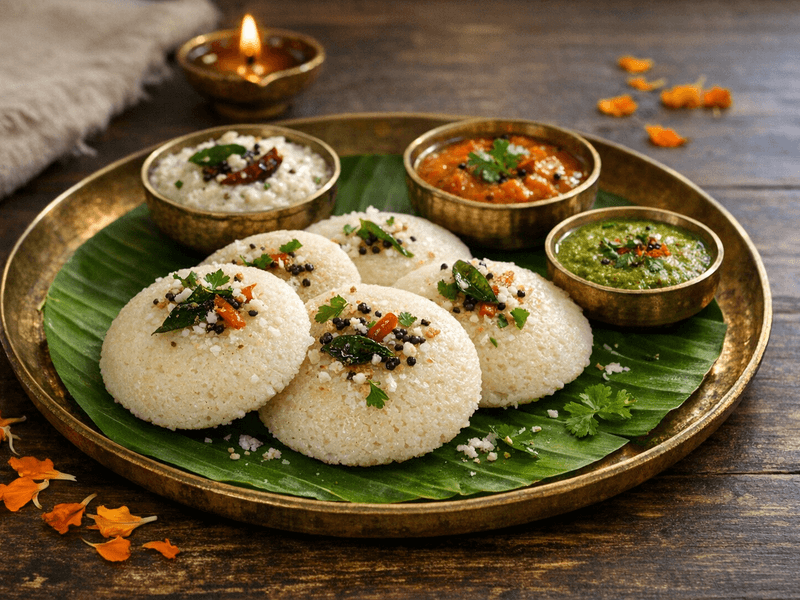
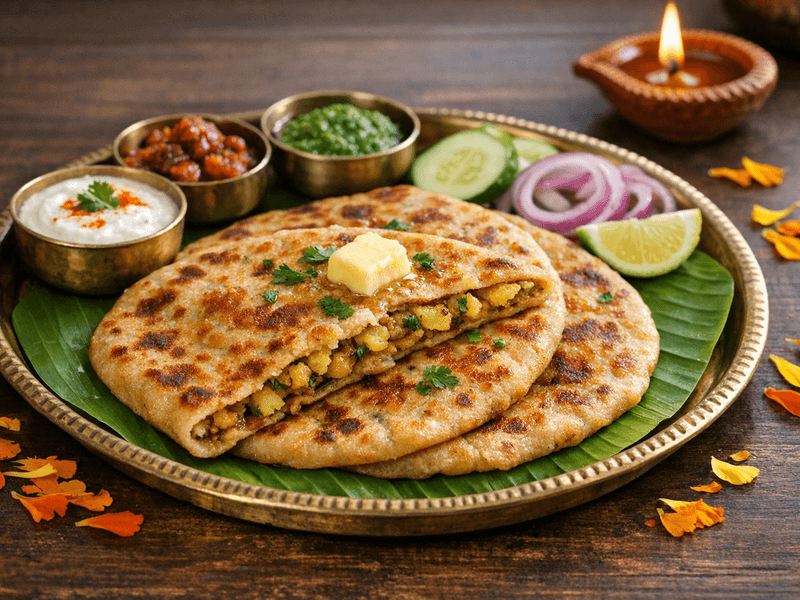
📸 Image coming soon for Plain Dosa Without Oil
Plain Dosa Without Oil
Breakfast • India
How to Make Plain Dosa Without Oil (Traditional & Healthy Version)
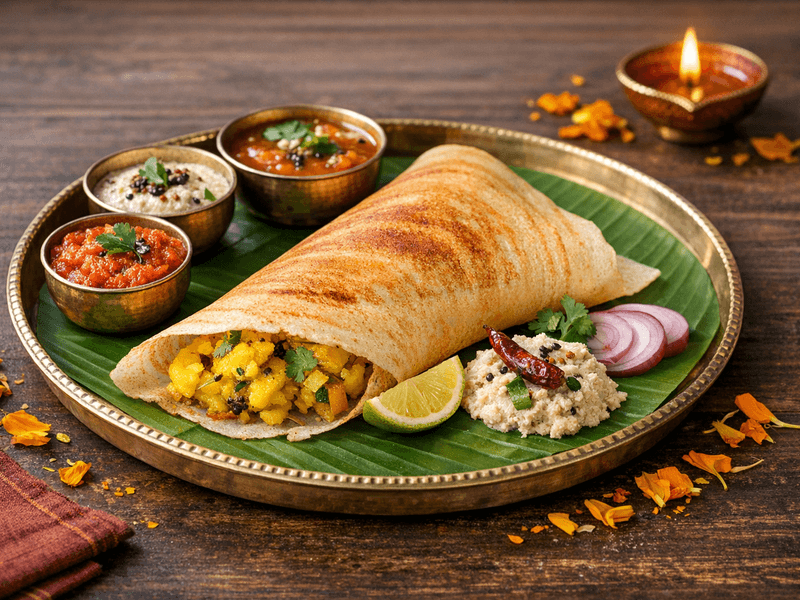
Plain Dosa Without Oil is a classic South Indian breakfast staple, loved for its crisp texture and subtle fermented aroma. Originating from the heart of Tamil Nadu and Andhra Pradesh, dosa is a cherished part of Indian cuisine, often enjoyed with coconut chutney and sambar. The version without oil is especially popular among health-conscious families, as it delivers all the authentic flavors with fewer calories. Dosa holds a special place in Indian households and is frequently prepared during festivals like Pongal and Ugadi, as well as for everyday breakfasts. The process of fermenting urad dal (split black gram) and rice gives the dosa its signature taste and lightness, making it a satisfying yet gentle start to the day. Its versatility allows for regional variations, with different types of rice or dals used across Karnataka, Kerala, and Tamil Nadu. Making dosa without oil on a hot tawa ensures you enjoy the traditional taste while keeping your meal light and nutritious.
Ingredients(for 2 medium plain dosas per person)
- 1 cup Rice (sona masoori or parboiled) (चावल)
- 1/4 cup Urad dal (split black gram) (उड़द दाल)
- 1/2 tsp Fenugreek seeds (मेथी दाना)
- 2 tbsp Poha (flattened rice) (optional for softness) - optional
- to taste Salt (नमक)
- as needed Water (पानी)
Instructions
- 1
Rinse rice, urad dal, and fenugreek seeds separately under running water. Soak rice and poha together in one bowl, and urad dal with fenugreek seeds in another, for at least 6 hours.
6 hours (soaking)
Use filtered water for soaking to enhance fermentation.
- 2
Drain water and grind urad dal with fenugreek seeds to a smooth, fluffy batter using minimal water. Grind rice and poha to a slightly coarse batter.
15 minutes
Grind in small batches for the best texture.
- 3
Mix both batters together in a large bowl. Add salt and enough water to achieve a thick pouring consistency.
5 minutes
Mix with clean hands to aid fermentation.
- 4
Cover the batter and let it ferment overnight or for 8-10 hours in a warm place until it doubles in volume and turns slightly bubbly.
8-10 hours
In winter, keep the bowl inside an oven with the light on to maintain warmth.
Why This Dish is Healthy
This oil-free version of plain dosa is ideal for calorie-conscious individuals, those managing their cholesterol, or anyone seeking a light yet fulfilling meal. Skipping oil reduces saturated fat intake, and the combination of rice and lentils provides essential amino acids for vegetarians. The fermentation process further enhances digestibility and helps maintain a healthy gut flora.
Plain Dosa Without Oil is naturally low in fat and provides a healthy mix of complex carbohydrates from rice and plant-based protein from urad dal. It is rich in B vitamins, iron, magnesium, and dietary fiber, supporting digestive health and sustained energy release. The fermentation process increases bioavailability of nutrients and adds gut-friendly probiotics, making it a nourishing breakfast choice for all age groups.
Pro Tips
- 💡Use a well-seasoned cast iron tawa for authentic crispiness.
- 💡Ferment the batter in a warm place for best results; avoid direct sunlight.
- 💡If the batter is too thick, add water gradually to adjust consistency before making dosas.
Storage & Serving
Fermented dosa batter can be refrigerated for up to 3 days in an airtight container. Before making dosas, let the batter come to room temperature and stir gently. Cooked dosas are best enjoyed fresh but can be kept warm in a casserole for up to 2 hours.
Best served: Breakfast or Lunch
Nutrition Facts
| Nutrient | Per 100g |
|---|---|
| Energy | 120.0 kcal |