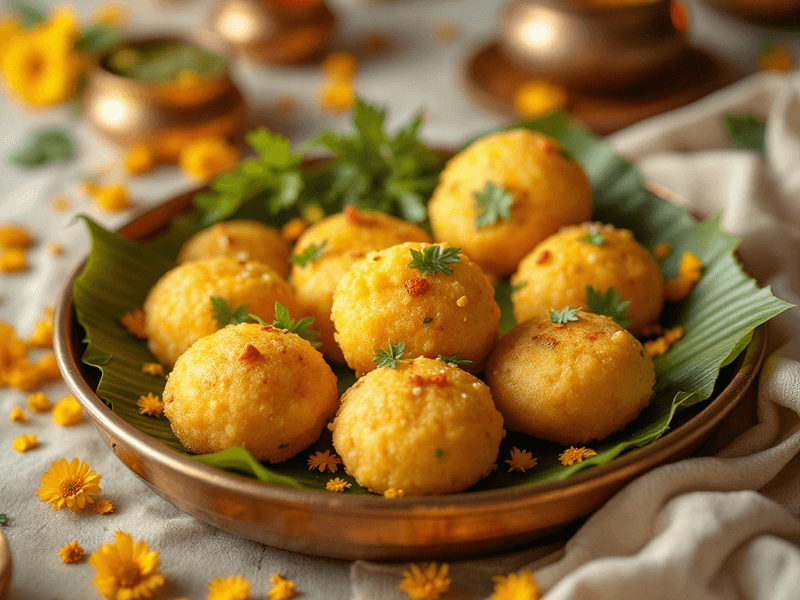
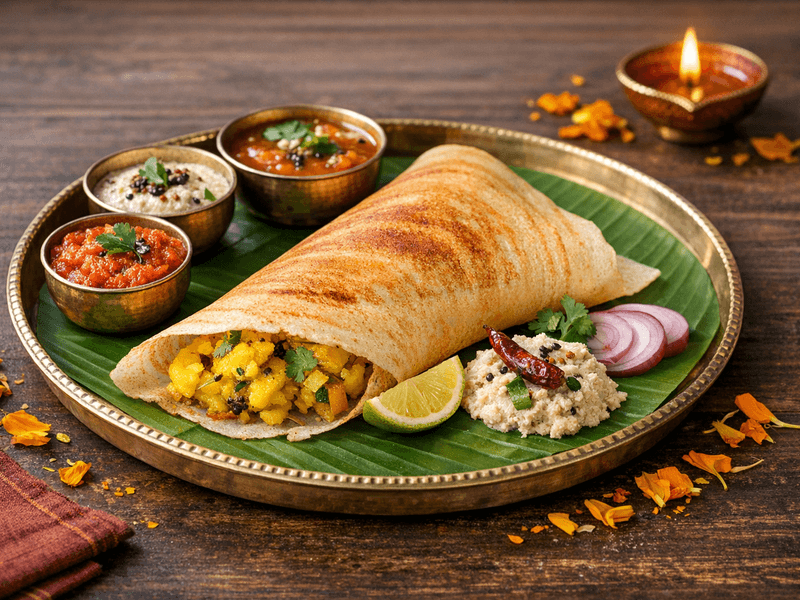
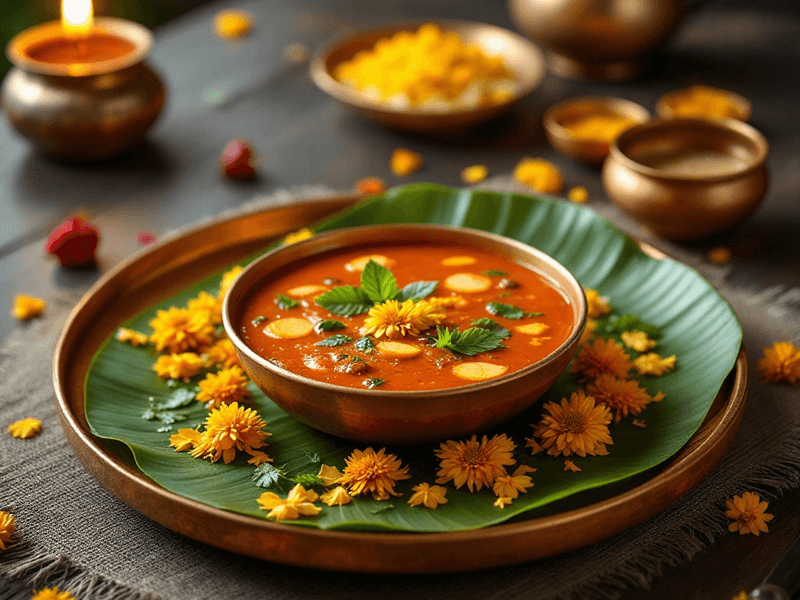
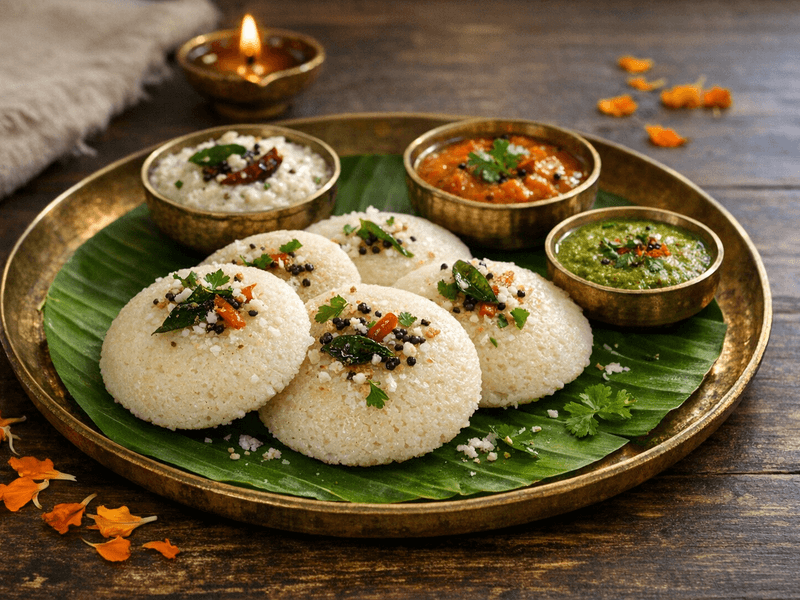
📸 Image coming soon for Idly
Idly
Breakfast • India
How to Make Idly (Traditional & Healthy Version)
Idly is one of South India's most cherished and health-conscious breakfast snacks, offering a perfect balance of taste and nutrition. Originating from Tamil Nadu, this soft, steamed delicacy is a staple across Andhra Pradesh, Karnataka, and Kerala, often enjoyed with piping hot sambhar and coconut chutney. The batter for authentic idly is prepared using a careful blend of soaked rice (chawal) and urad dal, fermented overnight to achieve that signature fluffy texture and mild tangy flavor. Idly is widely favored during festivals like Pongal and Onam, symbolizing purity and simplicity in Indian cuisine. The taste of idly is subtle and comforting, allowing the accompaniments to shine. It is light, easy to digest, and ideal for all age groups, making it a popular choice for families and those seeking a nutritious meal. Its versatility means you’ll find regional variations from Rava Idly in Karnataka to Kanchipuram Idly in Tamil Nadu, reflecting local flavors and traditions. As a vegetarian dish, idly is protein-rich and low in fat, making it a great addition to any healthy meal plan. Whether enjoyed as a breakfast or evening snack, idly’s soft, pillowy texture and mild aroma evoke nostalgia and homely warmth for millions across India.
Ingredients(for 4 medium idlis per serving)
- 1 cup Parboiled rice (chawal) (Idli rice preferred)
- 1/2 cup Urad dal (split black gram) (Whole or split urad dal)
- 1/2 tsp Fenugreek seeds (methi dana) (For fermentation)
- 1 tsp Salt (namak) (To taste)
- as needed Water (For soaking & grinding)
- few drops Oil (To grease idli plates) - optional
- 2 tbsp Poha (flattened rice) (Optional, for extra softness) - optional
- 1 tbsp Curd (dahi) (Optional, for batter fermentation) - optional
Instructions
- 1
Wash and soak parboiled rice and urad dal separately for 4-6 hours. Add fenugreek seeds to the dal while soaking.
5 minutes
Use fresh water and rinse until water runs clear for softer idlis.
- 2
Grind soaked rice and urad dal separately to a smooth, thick batter. Combine both batters in a large bowl.
7 minutes
Add poha while grinding rice for extra fluffiness; avoid adding too much water.
- 3
Add salt and mix batter well. Cover and ferment in a warm place for 8-10 hours or overnight until the batter doubles and turns airy.
1 minute
For colder climates, add a spoonful of curd or keep the bowl in the oven (switched off) with the light on.
- 4
Grease idli plates with a few drops of oil. Pour batter into each mould, filling 3/4th full.
2 minutes
Do not overfill the moulds; idlis need space to rise and steam evenly.
Why This Dish is Healthy
Idly is steamed instead of fried, minimizing unnecessary fats. The use of whole grains and pulses provides sustained energy and supports muscle growth. Its probiotic properties from fermentation make it a perfect breakfast for weight loss and diabetes management. Idly’s low glycemic index ensures slow carbohydrate release, keeping you full longer without spiking blood sugar.
Idly is naturally low in calories and fat, with a high protein contribution from urad dal and complex carbohydrates from rice. The fermentation process increases bioavailability of nutrients, aids digestion, and promotes gut health. Idly is a good source of B vitamins, iron, calcium, and is gluten-free (if using pure rice and dal). It’s light on the stomach and suitable for all ages, including elders and children.
Pro Tips
- 💡Tip 1: Use fresh, high-quality urad dal for best fermentation and texture.
- 💡Tip 2: For extra soft idlis, add a little poha or cooked rice while grinding.
- 💡Tip 3: Ensure batter is not too runny; consistency should be thick yet pourable.
Storage & Serving
Store leftover idlis in an airtight container in the refrigerator for up to 2 days. Reheat by steaming for 3-4 minutes or microwave with a splash of water to restore softness.
Best served: Breakfast or Lunch
Nutrition Facts
| Nutrient | Per 100g |
|---|---|
| Energy | 39.0 kcal |