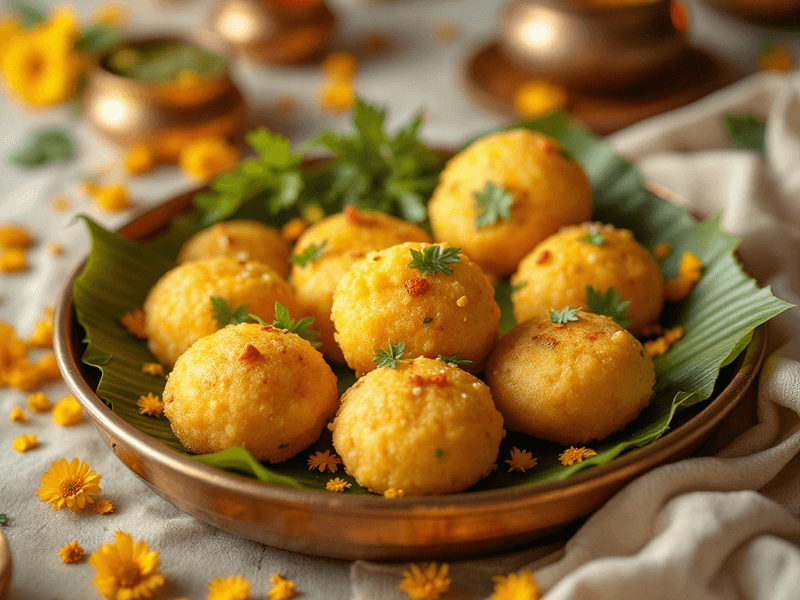
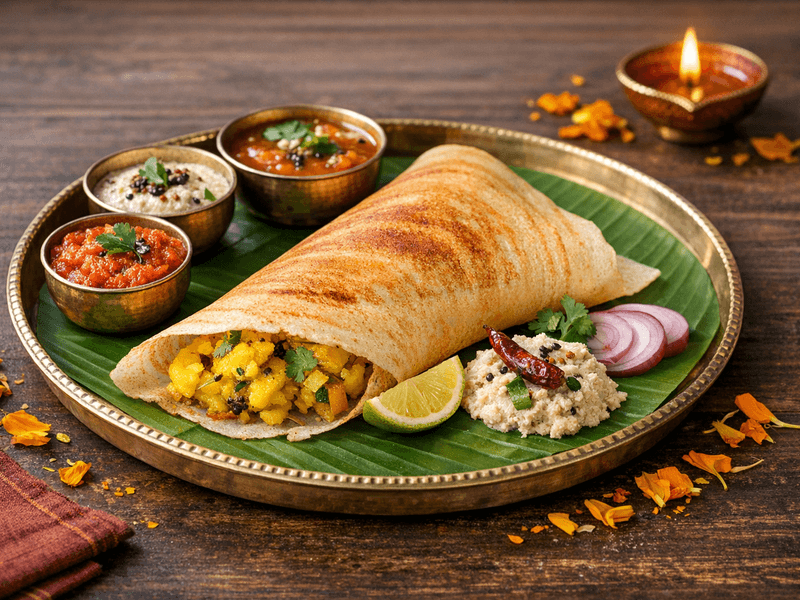
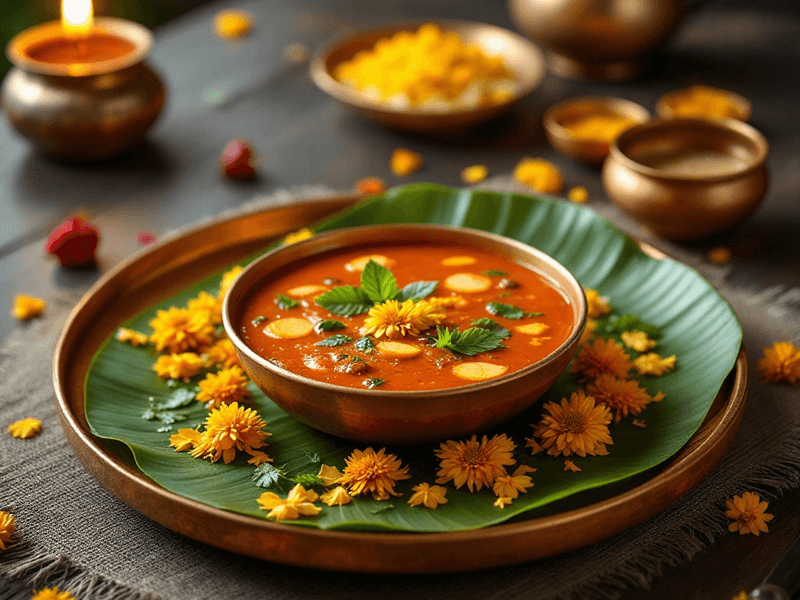
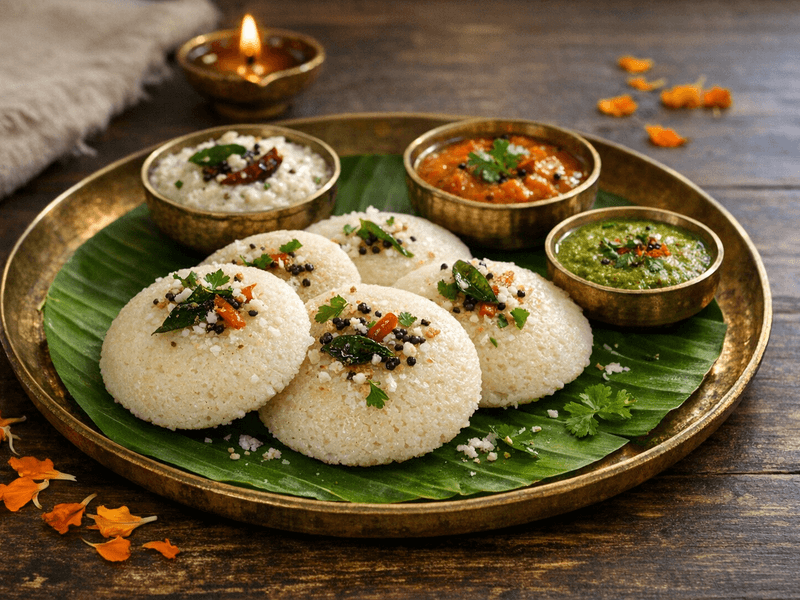
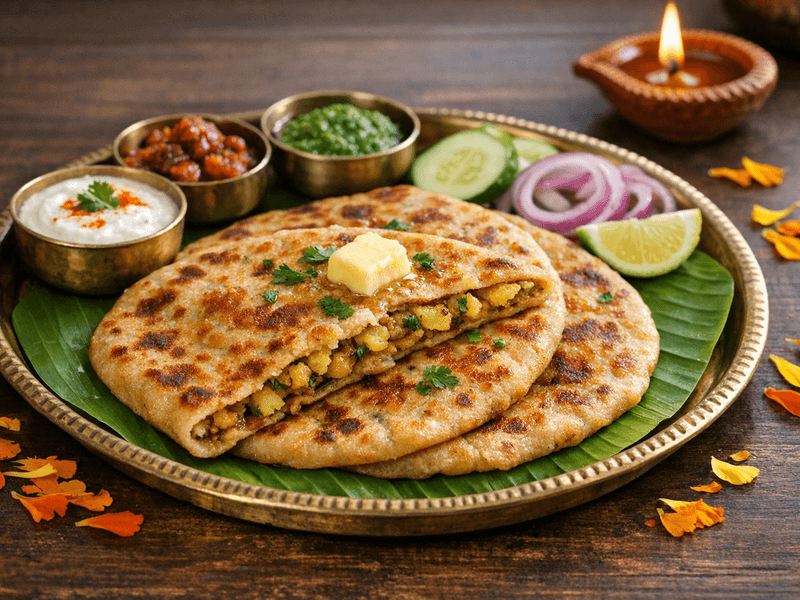
📸 Image coming soon for Ghee Dosa
Ghee Dosa
Breakfast • India
How to Make Ghee Dosa (Traditional & Healthy Version)
Ghee Dosa is a classic South Indian breakfast dish, beloved for its crisp texture, golden appearance, and aromatic flavor. Originating from Karnataka and Tamil Nadu, this dosa is traditionally made on a 'tawa' (griddle) using fermented rice and urad dal batter, lightly brushed with ghee. The infusion of ghee (clarified butter) imparts a rich aroma and taste, making it a popular choice during festivals like Ugadi and Pongal. Ghee Dosa is often served with coconut chutney and sambar, creating a balanced meal that satisfies both taste and nutrition. In Indian households, dosa is a morning staple, prized for its easy digestion and versatility. Ghee Dosa stands out due to its health benefits—ghee adds healthy fats while the fermentation process enhances nutrient absorption. The batter can be made in advance, making it convenient for busy mornings. This dish is vegetarian, making it suitable for those following a sattvic diet, and can be adapted for various dietary needs. Whether enjoyed in a bustling South Indian eatery or made at home, Ghee Dosa offers a comforting start to the day, steeped in tradition and flavor.
Ingredients(for 1 dosa per person (approx. 8-inch diameter))
- 1 cup Rice (Use local short-grain rice (Chawal))
- 1/4 cup Urad dal (Split black gram (उड़द दाल))
- 1/2 teaspoon Fenugreek seeds (Methi dana)
- 2 tablespoons Ghee (Desi ghee)
- 1 teaspoon Salt (Namak)
- as needed Water (For soaking and batter)
- 1 teaspoon Oil (Optional, for greasing tawa) - optional
- 1 tablespoon Chopped coriander leaves (Dhania patta, for garnish) - optional
- 1 Chopped green chillies (Hari mirch, for flavor) - optional
Instructions
- 1
Wash rice, urad dal, and fenugreek seeds thoroughly. Soak them in water for 4-6 hours or overnight for best results.
5 minutes
Longer soaking improves fermentation and digestibility.
- 2
Drain and grind the soaked ingredients into a smooth batter, adding water as needed. The consistency should be slightly thick but pourable.
5 minutes
Use a wet grinder for authentic texture.
- 3
Transfer batter to a bowl, add salt, and let it ferment in a warm place for 8-10 hours or overnight until it doubles in volume.
5 minutes
Fermentation imparts lightness and enhances nutrition.
- 4
Heat a tawa (griddle) on medium flame. Grease lightly with oil or ghee. Pour a ladleful of batter in the center and spread it outward in a circular motion to form a thin dosa.
2 minutes
Spread batter quickly for even crispness.
Why This Dish is Healthy
Ghee Dosa is a healthy Indian breakfast because it uses fermented ingredients, making it easy to digest and beneficial for gut health. Ghee, when used moderately, supports metabolism and provides sustained energy. The low oil content and protein-rich urad dal make it suitable for weight management and vegetarian diets. Customizable with vegetables or low-fat ghee, it fits well in calorie-conscious meal plans.
Ghee Dosa provides a balanced profile of carbohydrates from rice, protein from urad dal, and healthy fats from ghee. Fermented batter increases bioavailability of B vitamins and minerals like iron and calcium. Ghee is rich in fat-soluble vitamins (A, D, E, K) and supports digestion. Fenugreek seeds add antioxidants and fiber. This dish is gluten-free if made with pure rice and dal, and can be low in calories if ghee is used sparingly.
Pro Tips
- 💡Tip 1: Use a cast iron tawa for best crispiness.
- 💡Tip 2: Ferment batter in a warm spot to ensure proper rise.
- 💡Tip 3: Brush ghee only after dosa starts to crisp for even flavor.
Storage & Serving
Store leftover batter in the refrigerator for up to 3 days. Cooked dosa is best consumed fresh but can be refrigerated for 1 day; reheat on tawa before serving. Avoid freezing as texture changes.
Best served: Breakfast or Lunch
Nutrition Facts
| Nutrient | Per 100g |
|---|---|
| Energy | 170.0 kcal |
| Protein | 4.0 g |
| Carbohydrates | 30.0 g |
| Total Fat | 8.0 g |
| Fiber | 1.0 g |