📸 Image coming soon for Steamed Vegetables
Steamed Vegetables
Beverages • India
How to Make Steamed Vegetables (Traditional & Healthy Version)
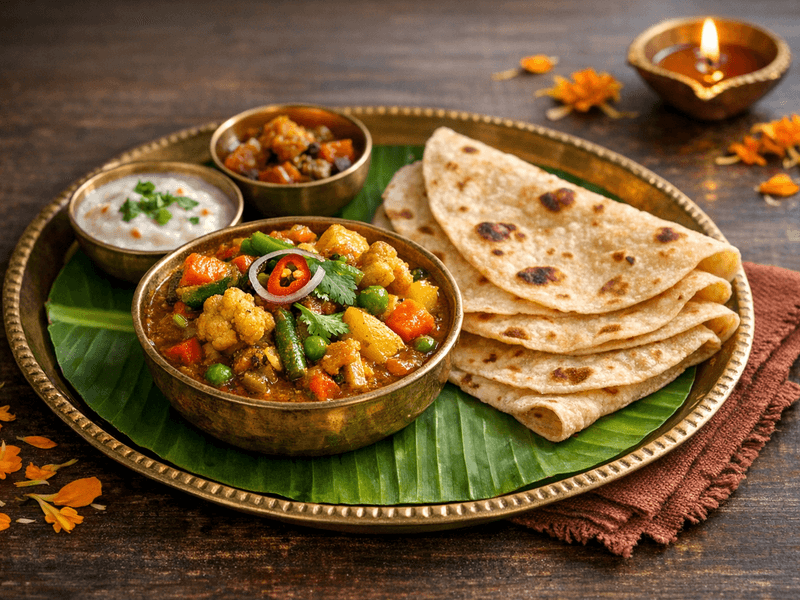
Steamed Vegetables, or 'bhaap mein pakayi hui sabziyan', are a simple yet nourishing dish commonly prepared across Indian households, especially during fasting seasons or as light meals for health-conscious families. This preparation allows the natural flavors and nutrients of seasonal Indian produce like gajar (carrot), phool gobhi (cauliflower), and shimla mirch (capsicum) to shine through, enhanced by a subtle tempering of Indian spices. Whether enjoyed as a wholesome snack, a side dish, or a light meal, steamed vegetables hold a beloved place on Indian thalis due to their minimal oil usage and easy digestibility. In India, steamed vegetables are often associated with wellness routines like yoga, Ayurvedic diets, and are favored during festivals such as Navratri when sattvic (pure) foods are preferred. The taste is mild, naturally sweet from the vegetables, and lightly spiced, making it suitable for all ages. Steamed vegetables not only offer a burst of color and nutrition but also serve as a versatile dish that complements dals, rotis, or even khichdi. This recipe focuses on preserving the authentic Indian method of steaming while ensuring the dish remains low in calories and high in nutrients.
Ingredients(for 1 medium bowl per person)
- 1 cup, chopped Carrot (gajar) (preferably red winter carrots)
- 1 cup, florets Cauliflower (phool gobhi) (fresh and cleaned)
- 1/2 cup, chopped French beans (fansi) (tender)
- 1/2 cup Green peas (matar) (fresh or frozen)
- 1/2 cup, diced Capsicum (shimla mirch) (any color)
- 1/4 tsp Turmeric powder (haldi)
- 1/2 tsp Cumin seeds (jeera)
- 1/2 tsp Mustard seeds (rai) - optional
- to taste Salt
- 2 tbsp, chopped Fresh coriander leaves (dhaniya)
- 1 tsp Lemon juice (nimbu ras) (freshly squeezed)
- 1/4 tsp Black pepper powder (kali mirch) - optional
- 1 tsp Ghee or cold-pressed oil (optional for tempering) - optional
Instructions
- 1
Wash and chop all vegetables into uniform, bite-sized pieces for even steaming.
5 minutes
Use seasonal, locally sourced sabzi for best taste and nutrition.
- 2
In a steamer or idli cooker, add 2-3 cups of water and let it come to a boil.
3 minutes
Ensure the water does not touch the vegetables when steaming.
- 3
Place the chopped vegetables in a steamer basket. Sprinkle turmeric, a pinch of salt, and black pepper (if using) over them.
2 minutes
Mix gently to coat the veggies with spices for uniform flavor.
- 4
Cover and steam on medium flame for 10-12 minutes or until vegetables are tender yet firm (not mushy).
12 minutes
Do not overcook; retain a slight crunch for maximum nutrition.
Why This Dish is Healthy
Steamed vegetables retain their natural vitamins and minerals, unlike frying or boiling which can leach nutrients. With no heavy gravies or excess oil, this recipe supports heart health, aids in weight loss, and keeps you feeling full longer due to high fiber content. It is suitable for diabetic diets and for those looking to increase their vegetable intake in a pure, unprocessed form.
Steamed vegetables are low in calories and fat, making them ideal for weight management. They are rich in dietary fiber, supporting digestive health, while providing a host of vitamins like A, C, and K, and minerals such as potassium and magnesium. The minimal use of oil preserves nutrients and avoids excess calories, and the inclusion of turmeric and cumin adds antioxidants and anti-inflammatory benefits. This dish is naturally gluten-free, cholesterol-free, and can be made vegan by skipping ghee.
Pro Tips
- 💡Tip 1: Cut vegetables in uniform sizes to ensure even steaming.
- 💡Tip 2: Add a pinch of asafoetida (hing) in tempering for digestive benefits.
- 💡Tip 3: Always add lemon juice after steaming to preserve vitamin C content.
Storage & Serving
Store any leftover steamed vegetables in an airtight container in the refrigerator for up to 24 hours. Reheat gently by steaming or microwaving; avoid reheating multiple times to preserve nutrients.
Best served: Breakfast or Lunch
Nutrition Facts
| Nutrient | Per 100g |
|---|---|
| Energy | 50.0 kcal |