Soy Protein Milk
Beverages • India
How to Make Soy Protein Milk (Traditional & Healthy Version)
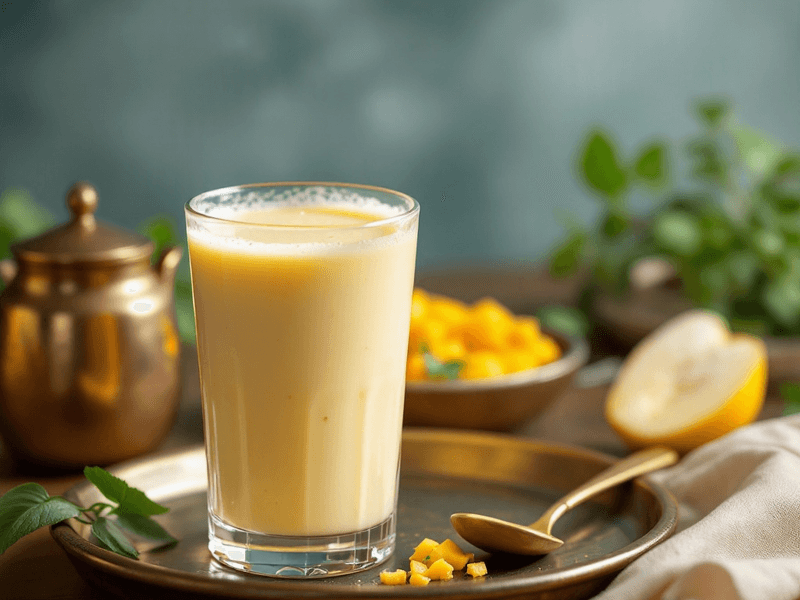
Soy Protein Milk, known locally as soya doodh, is a wholesome beverage gaining popularity across India for its impressive nutrition and creamy texture. While dairy milk has been a staple in Indian households for generations, soy protein milk offers a plant-based, lactose-free alternative suitable for those who are vegan or lactose intolerant. Traditionally, soya beans are soaked, ground, and simmered to produce this nutrient-dense milk, which can be enjoyed plain or flavored with Indian spices such as elaichi (cardamom) and kesar (saffron). With India's growing focus on health and fitness, soy protein milk is fast becoming a preferred choice for those seeking high-protein, low-fat drinks. Its versatility allows it to be consumed as a standalone beverage, a base for smoothies, or added to tea (chai) and desserts like kheer. Many families now prepare homemade soya doodh during festivals like Makar Sankranti or Navratri for fasting and as a nutritious breakfast drink. The subtle nutty flavor, creamy consistency, and adaptability to Indian spices make this drink a modern classic in Indian kitchens.
Ingredients(for 1 glass (approx. 200 ml))
- 1/2 cup Soya beans (whole) (soaked overnight)
- 3 cups Water (filtered)
- 2 pods Green cardamom (elaichi) (crushed) - optional
- 1-2 tbsp Jaggery powder (gud, adjust to taste) - optional
- 4-5 strands Saffron strands (kesar, for aroma) - optional
- 1/8 tsp A pinch of salt (for taste) - optional
- 1/4 tsp Vanilla extract (optional, for flavor) - optional
- 4-5 Almonds (blanched and sliced for garnish) - optional
Instructions
- 1
Rinse and soak the soya beans in plenty of water overnight or for at least 8 hours. This softens the beans and makes them easier to blend.
8 hours (passive)
Change the soaking water once to remove the beany flavor.
- 2
Drain the soaked soya beans. Rinse well and remove any loose skins if possible. Add the beans to a blender with 1 cup of fresh water.
5 minutes
Removing skins helps reduce bitterness.
- 3
Blend the soaked beans and water until you get a smooth paste.
3 minutes
Blend in batches if required for a smoother texture.
- 4
Pour the soya paste into a large muslin cloth or cheesecloth placed over a bowl. Squeeze out all the liquid; this is your raw soya milk.
5 minutes
Twist and press the cloth well to extract maximum milk.
Why This Dish is Healthy
This soy protein milk recipe is a health-conscious alternative to dairy milk, with no cholesterol and very little saturated fat. It helps maintain heart health, supports muscle growth, and is suitable for weight management. The use of natural sweeteners and no preservatives ensures that this beverage supports clean eating habits. Its high protein content keeps you full and energized for longer periods.
Soy Protein Milk is rich in high-quality plant protein, making it an excellent source for vegetarians and vegans. It provides essential amino acids, dietary fiber, and is low in saturated fat. Soya beans are a good source of calcium, iron, magnesium, and B vitamins, contributing to bone health, energy production, and overall wellness. The addition of jaggery offers natural sweetness and minerals, while cardamom and saffron add antioxidants.
Pro Tips
- 💡Tip 1: Always soak soya beans overnight for best texture and taste.
- 💡Tip 2: Boil the milk thoroughly to remove the raw beany flavor.
- 💡Tip 3: Experiment with flavors like rose water or nutmeg for regional twists.
Storage & Serving
Store homemade soy protein milk in a clean glass bottle or container in the refrigerator for up to 3 days. Shake well before each use, as natural separation may occur.
Best served: Breakfast or Lunch
Nutrition Facts
| Nutrient | Per 100g |
|---|---|
| Energy | 120.0 kcal |
| Protein | 3.0 g |
| Carbohydrates | 4.0 g |
| Total Fat | 2.0 g |
| Fiber | 0.0 g |