Masala Milk Tea
Beverages • India
How to Make Masala Milk Tea (Traditional & Healthy Version)
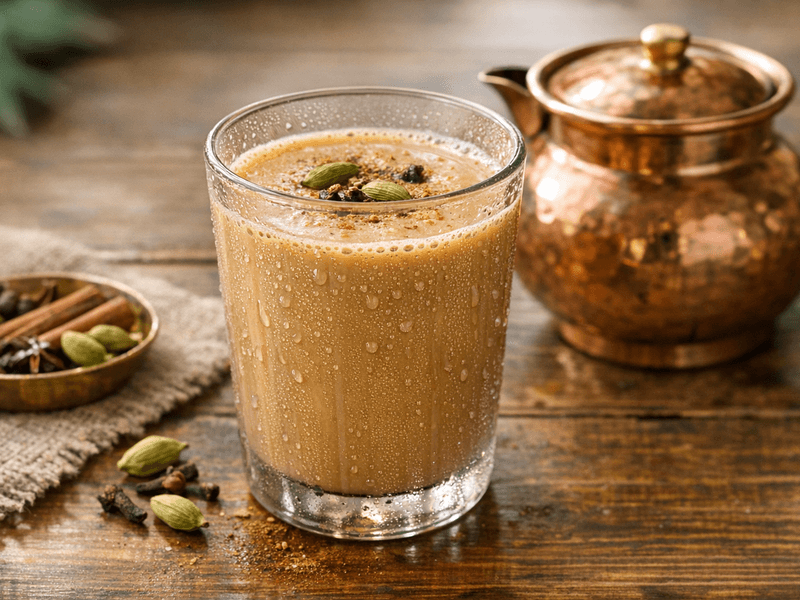
Masala Milk Tea, fondly known as 'Masala Chai', is a quintessential Indian beverage that brings together the warmth of spices and the comfort of milk tea. Popular across every region of India, this aromatic drink is not just a morning ritual but an emotion, enjoyed from bustling street corners to family gatherings during monsoon rains. Each sip of Masala Milk Tea brings a burst of flavors from spices like elaichi (cardamom), dalchini (cinnamon), adrak (ginger), and laung (cloves), making it a perfect companion for conversations and celebration. Masala Milk Tea is deeply ingrained in Indian culture, often served as a welcome drink during festivals like Diwali and Holi, or offered to guests as a gesture of hospitality. Its origins trace back to Ayurveda, where spice-infused teas were valued for their healing properties. The balance of malai (milk), chai patti (tea leaves), and masalas not only enhances the taste but also provides warmth, especially during chilly winter mornings. This beverage is a healthier alternative to sugary soft drinks, offering both comfort and nutrition in every cup.
Ingredients(for 1 medium cup (approx. 200 ml))
- 2 cups Low-fat milk (doodh) (Use cow's milk for authentic flavor)
- 1 cup Water (pani) (Filtered)
- 2 teaspoons Assam tea leaves (chai patti) (Strong Indian tea)
- 3 Green cardamom (elaichi) pods (Lightly crushed)
- 1 inch Fresh ginger (adrak) (Grated)
- 1 small piece Cinnamon stick (dalchini) (Optional for extra aroma) - optional
- 2 Cloves (laung) (Whole)
- 2 Black peppercorns (kali mirch) (Crushed)
- a pinch Nutmeg (jaiphal) powder - optional
- to taste Stevia or organic jaggery (gud) (Avoid refined sugar for health)
Instructions
- 1
In a saucepan (patila), combine water, grated ginger, crushed cardamom, cinnamon, cloves, and peppercorns. Bring to a boil on medium heat.
5 minutes
Crush spices just before use to maximize aroma and nutritional benefits.
- 2
Once the water boils, add tea leaves (chai patti) and simmer for 2-3 minutes to release the flavors.
3 minutes
Use strong Assam tea for a robust flavor, or Darjeeling for a lighter taste.
- 3
Add low-fat milk and allow the mixture to come to a gentle boil. Lower the heat and simmer for 5 minutes.
7 minutes
Simmering allows the spices and tea to infuse well into the milk.
- 4
Add jaggery or stevia to taste. Stir well until dissolved. Avoid boiling after adding sweetener to preserve nutrients.
2 minutes
For a healthier version, add sweetener after removing from heat.
Why This Dish is Healthy
Choosing low-fat milk and natural sweeteners makes this Masala Milk Tea a healthier alternative to regular chai. The spices not only enhance flavor but also offer medicinal benefits, including improved digestion and immunity. This beverage is free from unhealthy additives and packed with antioxidants, making it a smart choice for calorie-conscious individuals. Its warming properties make it perfect for mornings or as an energy-boosting snack between meals.
Masala Milk Tea is packed with antioxidants from tea leaves, aiding in metabolism and heart health. The spices—like ginger and cardamom—are rich in anti-inflammatory and digestive properties. Low-fat milk adds calcium and protein, essential for bone strength and muscle repair. Using jaggery or stevia instead of refined sugar keeps the glycemic index lower, making it suitable for most diets. The blend of spices provides micronutrients like iron, magnesium, and Vitamin C, supporting immunity and overall wellness.
Pro Tips
- 💡Tip 1: Crush spices freshly before brewing for maximum aroma.
- 💡Tip 2: Simmer the tea on low heat to extract full flavors from the masalas.
- 💡Tip 3: Avoid overboiling after adding sweetener to retain nutrients and taste.
Storage & Serving
Masala Milk Tea is best enjoyed fresh. If needed, refrigerate for up to 24 hours and reheat gently on the stove. Avoid repeated boiling to preserve flavor.
Best served: Breakfast or Evening Snack
Nutrition Facts
| Nutrient | Per 100g |
|---|---|
| Energy | 120.0 kcal |