Low Fat Cow Milk Curd
Beverages • India
How to Make Low Fat Cow Milk Curd (Traditional & Healthy Version)
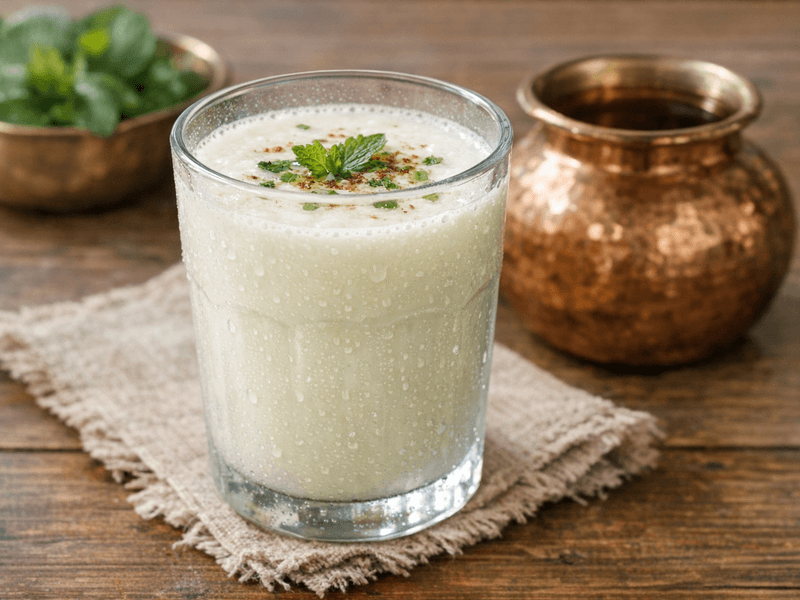
Low Fat Cow Milk Curd, known as 'Dahi' in Hindi, is a staple beverage and ingredient in Indian cuisine. It holds a cherished place in homes across India, from the northern states of Punjab and Uttar Pradesh to the southern regions like Tamil Nadu and Kerala. Traditionally, Dahi is prepared using fresh cow's milk and a starter culture, resulting in a creamy, tangy curd that is both refreshing and nourishing. Curd is an essential part of daily meals, often served alongside rice, roti, or enjoyed as a cooling beverage during the hot Indian summers. Its probiotic properties make it highly valued during festivals such as Holi and Diwali, where it is used in sweets and savory dishes. The taste of Low Fat Cow Milk Curd is mild with a slight tang, perfectly balancing the flavors of spicy Indian food. Its versatility allows it to be enjoyed plain, sweetened, or spiced, making it a favorite across generations. Choosing low fat cow milk ensures a lighter, healthier curd without compromising on authentic taste. This recipe is ideal for health-conscious individuals and those tracking their calories, as it offers the goodness of curd with reduced fat content. The process is simple, requiring only patience and care for perfect results every time. Dahi is not just a beverage but a cultural symbol of purity and prosperity in India. It is often offered as 'prasadam' in temples and is believed to bring good health. Regional variations, such as 'Mishti Doi' from Bengal and 'Thayir' from Tamil Nadu, showcase its adaptability. Making low fat Dahi at home is an excellent way to embrace Indian traditions while staying mindful of nutritional goals.
Ingredients(for 1 cup (200 ml) per serving)
- 500 ml Low fat cow milk (Doodh; pasteurized or boiled)
- 1 tablespoon Curd starter (Dahi from previous batch)
- 2 tablespoons Water (Optional, to adjust consistency) - optional
- 1/4 teaspoon Green cardamom powder (Elaichi; for flavor) - optional
- 1 teaspoon Sugar (Optional, for sweetened curd) - optional
- 1/4 teaspoon Rock salt (Sendha namak; for savory curd) - optional
- 3-4 leaves Mint leaves (Pudina; for garnish) - optional
- 1/4 teaspoon Black pepper powder (Kali mirch; optional for digestive benefit) - optional
- 2 tablespoons Chopped fruits (For kid-friendly version, optional) - optional
Instructions
- 1
Boil the low fat cow milk in a heavy-bottomed vessel (patila) until it comes to a gentle boil. Stir occasionally to prevent sticking.
10 minutes
Boiling the milk ensures curd sets well and is free from impurities.
- 2
Allow the boiled milk to cool until it is lukewarm. It should feel warm to the touch but not hot.
10 minutes
Milk should be cooled to about 35-40°C for perfect fermentation.
- 3
Add the curd starter (previously set dahi) to the lukewarm milk. Mix gently but thoroughly using a spoon.
2 minutes
Use fresh starter for best results; avoid old or sour curd.
- 4
Cover the vessel with a lid and keep it in a warm, undisturbed place. Allow it to ferment for 6-8 hours or overnight.
8 hours
Wrap the vessel with a cloth in winter to maintain warmth.
Why This Dish is Healthy
This dish is a healthy choice because it uses low fat cow milk, lowering saturated fat and cholesterol while retaining essential nutrients. Its probiotic content aids digestion and supports gut health. Homemade curd avoids preservatives and unnecessary additives, making it a wholesome, natural option for calorie-conscious individuals. It fits well into weight loss, diabetic, and kid-friendly diets.
Low Fat Cow Milk Curd is rich in protein, calcium, and essential vitamins such as B2 and B12. It provides probiotics that support digestive health and boost immunity. The low fat content makes it suitable for weight management and heart health. Dahi is a natural source of minerals like phosphorus and magnesium, which are vital for bone strength. It is gluten-free and can be included in vegetarian diets for balanced nutrition.
Pro Tips
- 💡Tip 1: Use fresh, boiled milk for a smooth, creamy curd.
- 💡Tip 2: Always use a fresh curd starter to avoid sour or watery curd.
- 💡Tip 3: Set curd in a warm place for consistent fermentation, especially in winter.
Storage & Serving
Store curd in the refrigerator in a covered container. Consume within 2-3 days for best taste and freshness. Avoid keeping curd at room temperature after setting to prevent sourness.
Best served: Breakfast or Lunch
Nutrition Facts
| Nutrient | Per 100g |
|---|---|
| Energy | 60.0 kcal |