Light Coconut Milk
Beverages • India
How to Make Light Coconut Milk (Traditional & Healthy Version)
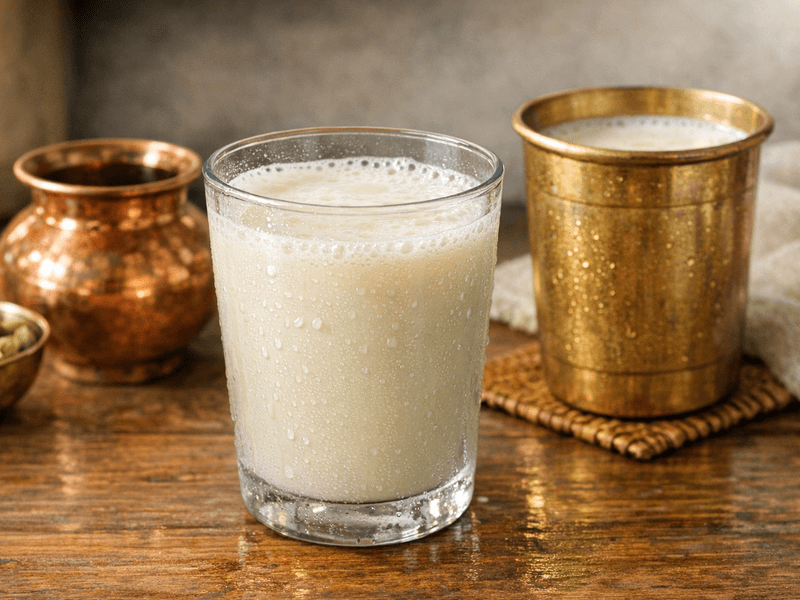
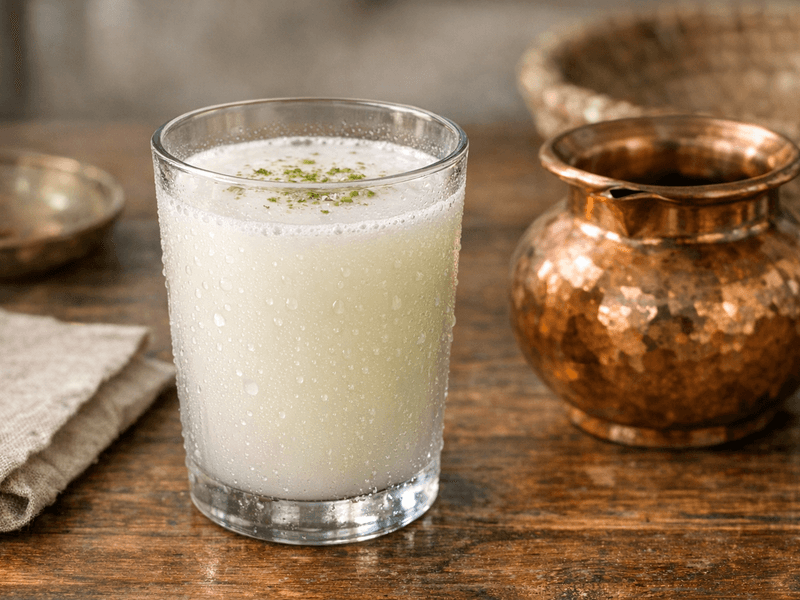
Light Coconut Milk, or 'Patla Nariyal Doodh', is a refreshing, versatile beverage ingrained in Indian culinary traditions, especially along the tropical coasts of Kerala, Karnataka, Tamil Nadu, and Goa. Traditionally extracted from freshly grated coconut (nariyal), this thin coconut milk is a staple in many South Indian households, used in everything from curries to cooling summer drinks. Its delicate, subtly sweet flavor and creamy consistency make it ideal for those seeking a lighter alternative to rich, full-fat coconut milk, without compromising on authentic taste. This healthy version of Light Coconut Milk is perfect for calorie-conscious individuals, as it contains significantly less fat while retaining much of the coconut's natural nutrients and flavor. It is naturally vegan, lactose-free, and can be enjoyed as a standalone beverage, a base for smoothies, or as an addition to kheer and payasam during festivals like Onam, Vishu, or Pongal. Making Light Coconut Milk at home is simple, requires minimal ingredients, and ensures purity without any preservatives or additives, making it a wholesome choice for daily hydration and nutrition.
Ingredients(for 1 cup (approx. 200 ml))
- 1 cup Fresh grated coconut (Nariyal, preferably mature coconut)
- 2 cups Warm water (Garam paani)
- 1/4 tsp Cardamom powder (Elaichi, for aroma) - optional
- A pinch Rock salt (Sendha namak, for flavor balance) - optional
- 1-2 tsp Jaggery powder (Gur, optional, for sweetness) - optional
- A pinch Black pepper powder (Kali mirch, optional, for a hint of spice) - optional
- 2-3 Mint leaves (Pudina, for garnish) - optional
Instructions
- 1
Place the fresh grated coconut in a large bowl. Pour 1 cup of warm water over it and let it soak for 5 minutes to soften and release the oils.
5 minutes
Use only warm, not hot water to avoid bitterness.
- 2
Transfer the soaked coconut and water into a mixer grinder. Blend on high speed for 1-2 minutes until the mixture turns milky and smooth.
2 minutes
Blend in batches for a smoother texture.
- 3
Pour the blended mixture through a muslin cloth or fine sieve placed over a bowl. Gently squeeze or press to extract the thin coconut milk.
5 minutes
Twist the muslin cloth firmly to extract as much liquid as possible.
- 4
Add another 1 cup of warm water to the leftover coconut pulp, blend again, and repeat the straining process. This second extraction yields light coconut milk.
5 minutes
Second extraction ensures a lighter, lower-fat milk perfect for beverages.
Why This Dish is Healthy
This homemade Light Coconut Milk is a healthy beverage choice as it avoids preservatives and artificial additives often found in packaged alternatives. Its light texture is easy to digest and suitable for those monitoring calorie or fat intake. Being dairy-free, it is ideal for lactose-intolerant individuals and vegans. The moderate use of natural sweeteners and spices enhances taste without excessive sugar, supporting weight management and balanced nutrition.
Light Coconut Milk is naturally low in calories and fat compared to first-press coconut milk. It provides essential minerals like potassium, magnesium, and manganese, along with small amounts of plant-based protein and dietary fiber. Coconut milk is rich in lauric acid, a healthy medium-chain fatty acid that supports metabolism and immunity. The addition of cardamom and black pepper increases antioxidant content, while jaggery provides trace minerals and a low glycemic sweetener option.
Pro Tips
- 💡Tip 1: Use only freshly grated mature coconut for the best flavor and nutrition.
- 💡Tip 2: Avoid overheating the coconut during blending to maintain its delicate aroma.
- 💡Tip 3: Leftover coconut pulp can be used in chutneys or added to atta for making soft rotis.
Storage & Serving
Store fresh Light Coconut Milk in a glass container in the refrigerator. Consume within 24 hours for best taste and freshness. Shake well before use as natural separation may occur.
Best served: Breakfast or Lunch
Nutrition Facts
| Nutrient | Per 100g |
|---|---|
| Energy | 50.0 kcal |